




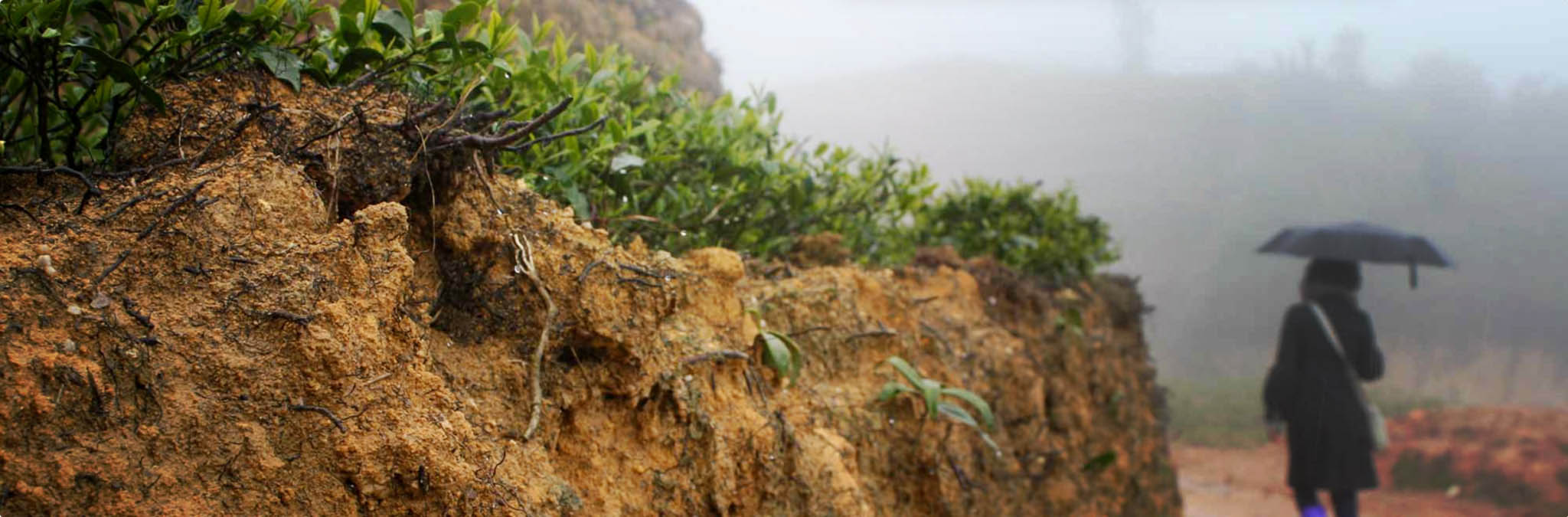

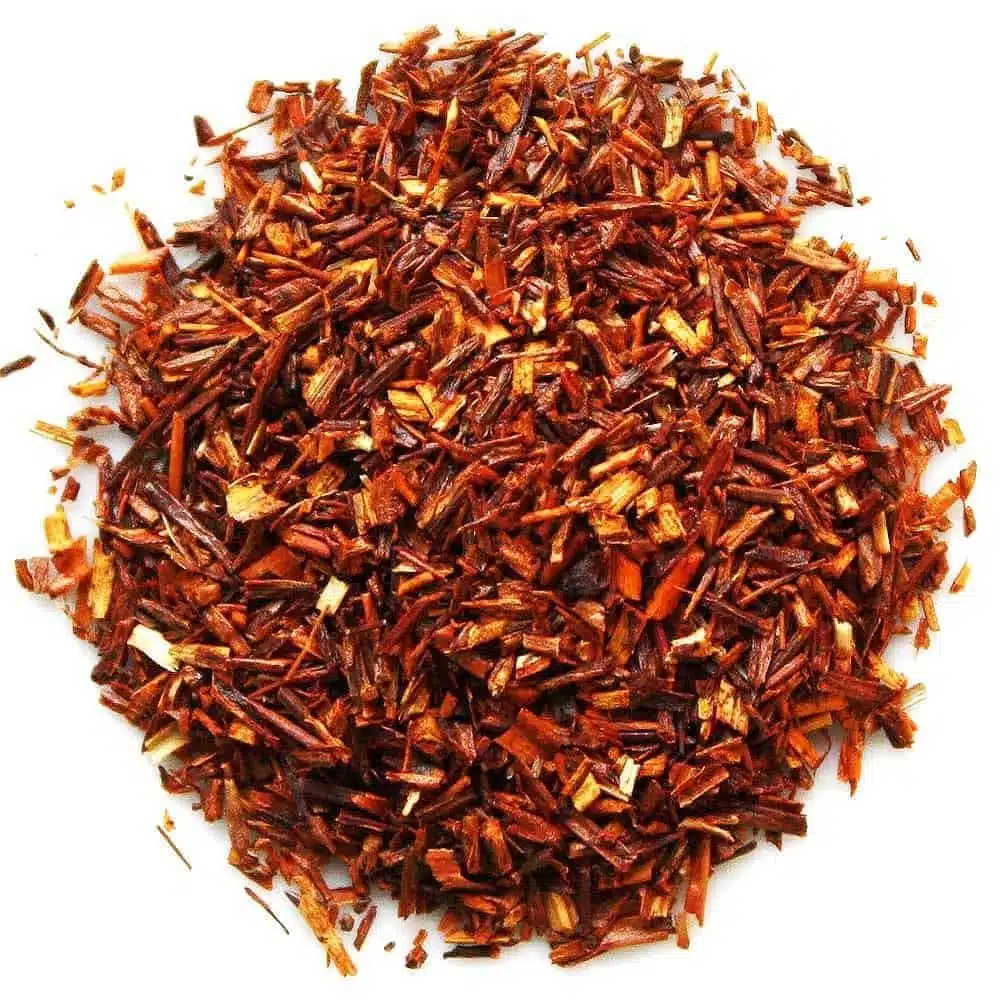
We are a specialist tea shop focusing on high-quality single-origin teas from the world’s classic tea-growing regions. Our range includes carefully selected green teas, black teas, oolong, white teas, Pu-erh, matcha and rooibos from China, Japan, Darjeeling, Nepal and other classic tea-growing regions where terroir, craftsmanship and tradition shape every harvest. We take a long-term approach, working with producers who prioritise quality over quantity and sustainable farming methods over short-term yields. Many of our teas are certified organic in accordance with EU organic standards, whilst others come from small-scale farms that farm entirely naturally without pesticides but have chosen to remain outside the certification schemes. The majority of the market’s certified organic teas are produced in large volumes for widespread distribution. We have chosen a different path. As a certified organic importer, we also initiate organic certification for small, exclusive micro-lots, so that organic certification can also cover some of the world’s most exclusive single-origin teas. Today, our teas are served at some of Sweden’s most renowned restaurants. The same carefully curated range is available both in our online tea shop and at our shop at Norrtullsgatan 9 in Stockholm.






Last received


The craft behind In the Mood for Tea
Just like wine, tea is defined by its origin. Soil, climate, altitude and local traditions all combine to create flavours that cannot be replicated anywhere else. That is why we attach great importance to where and how our teas are grown.
Our range is centred on teas with a distinct character reflecting their place of origin – from high-altitude estates in Darjeeling and Nepal to classic tea-growing regions in China and Japan. Each tea is carefully selected to reflect its origin rather than a standardised flavour profile.
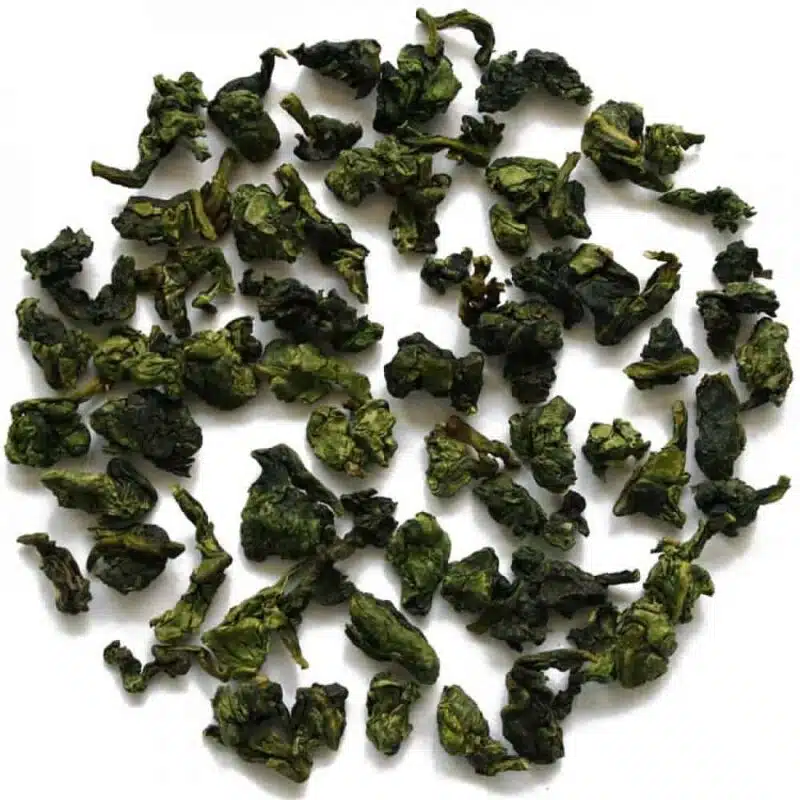
We want to do justice to the world’s classic tea traditions. That is why our range includes everything from Japanese green teas and Indian black teas to Taiwanese oolong teas, Nepalese Highland cattle and Chinese specialities. Each tea represents a tradition, a craft and an origin that have developed over a long period of time.
It is also only natural that China features particularly prominently in our range. No other tea-producing nation offers the same breadth and depth – from green tea, white tea and yellow tea to oolong, black tea and Pu-erh, ranging from everyday teas to some of the world’s most exclusive single-origin teas. For us, China is therefore not only one of the world’s most important tea-producing countries, but also the place where much of tea’s history and diversity has its roots.
Our philosophy also differs in the way we build our range. Whilst many tea shops offer a large number of teas from the same region via international or European tea wholesalers, we work primarily directly with a smaller number of carefully selected producers. This enables us to build long-term relationships and monitor the farms’ development over time.
We do not believe that a better range is created by offering many teas with almost identical characteristics. When several teas embody the same style, we choose the one we consider to best represent its origin. In this way, every tea in our range is a conscious choice – not just for its quality, but for its ability to express what has made the region famous.
We try to avoid oversimplified conclusions. High quality does not mean that a tea lacks organic certification, nor is organic certification a guarantee of the highest quality. Similarly, both exceptional and more everyday teas can be found at small family-run estates as well as larger certified producers. That is why we assess each tea based on its actual quality, origin and cultivation methods – not on the basis of a single label or narrative.
How we assess quality
We are often asked what actually distinguishes a good tea from a truly exceptional one. As we ourselves have a keen interest in classical music, we sometimes draw a parallel with musical instruments.
An instrument can have a rich and complex tone without necessarily being of the highest quality. What distinguishes a truly fine instrument from an ordinary one is, rather, its depth, purity, resonance and balance. We take the same view of quality when it comes to tea.
Tea, just like wine, is a naturally complex drink, regardless of price range. Even simpler teas can display a rich range of aromas. What distinguishes a good tea from a truly great one is therefore not the number of aromas that can be identified, but how they are underpinned by depth, body, balance and a long, clean aftertaste. It is these qualities that give a tea presence, elegance and a depth that continues to fascinate long after the first cup.
We have never viewed tea as an isolated interest. On the contrary, we believe that an understanding of quality deepens when it intersects with other fields – music, art, philosophy, gastronomy and craftsmanship. Historically, these forms of expression have developed side by side with tea culture, and this holistic perspective also inspires our work today.
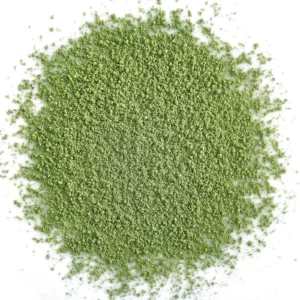
The Chinese Dian Cha tradition during the Song dynasty is a clear expression of this holistic approach. It was there that the culture surrounding whisked ground tea developed – a beverage that later came to be known in Japan as matcha, a word which literally means "ground tea".