We are currently on vacation and will not be able to order for the next few days. The next shipment will be on April 13th. Thank you for your patience and we apologize for any inconvenience.
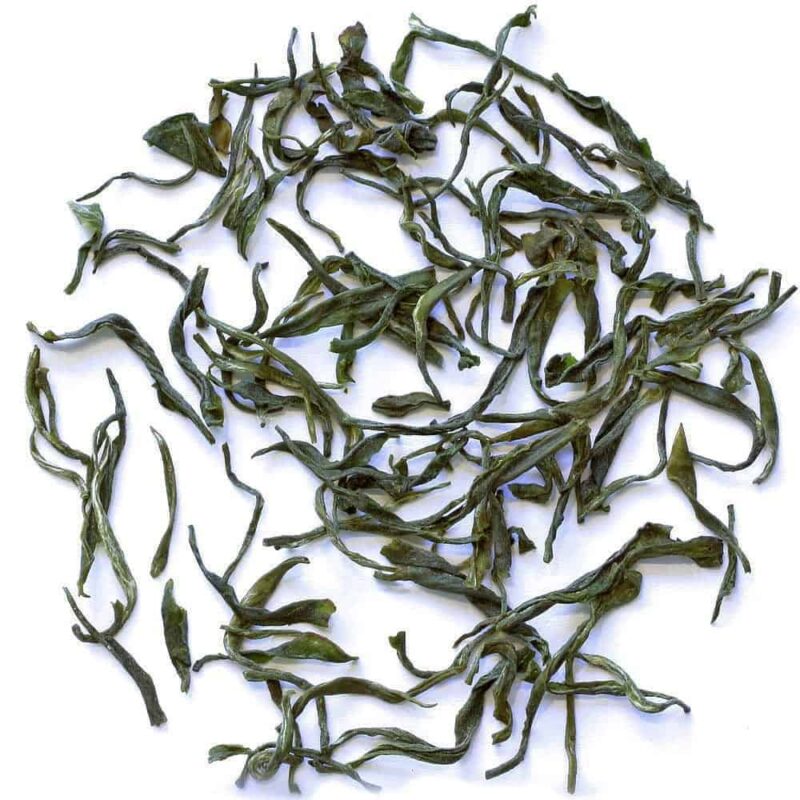
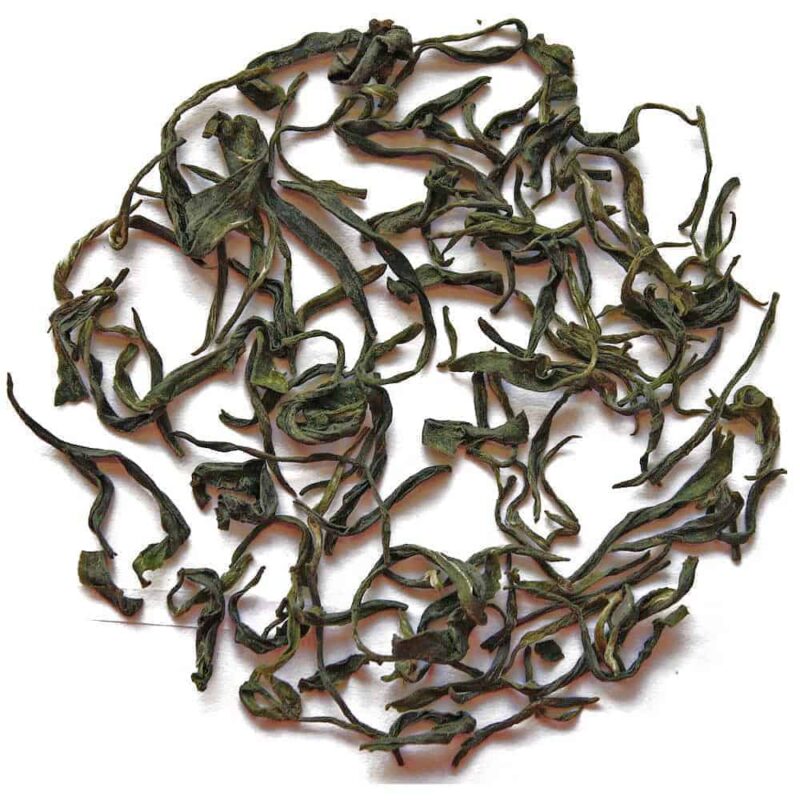
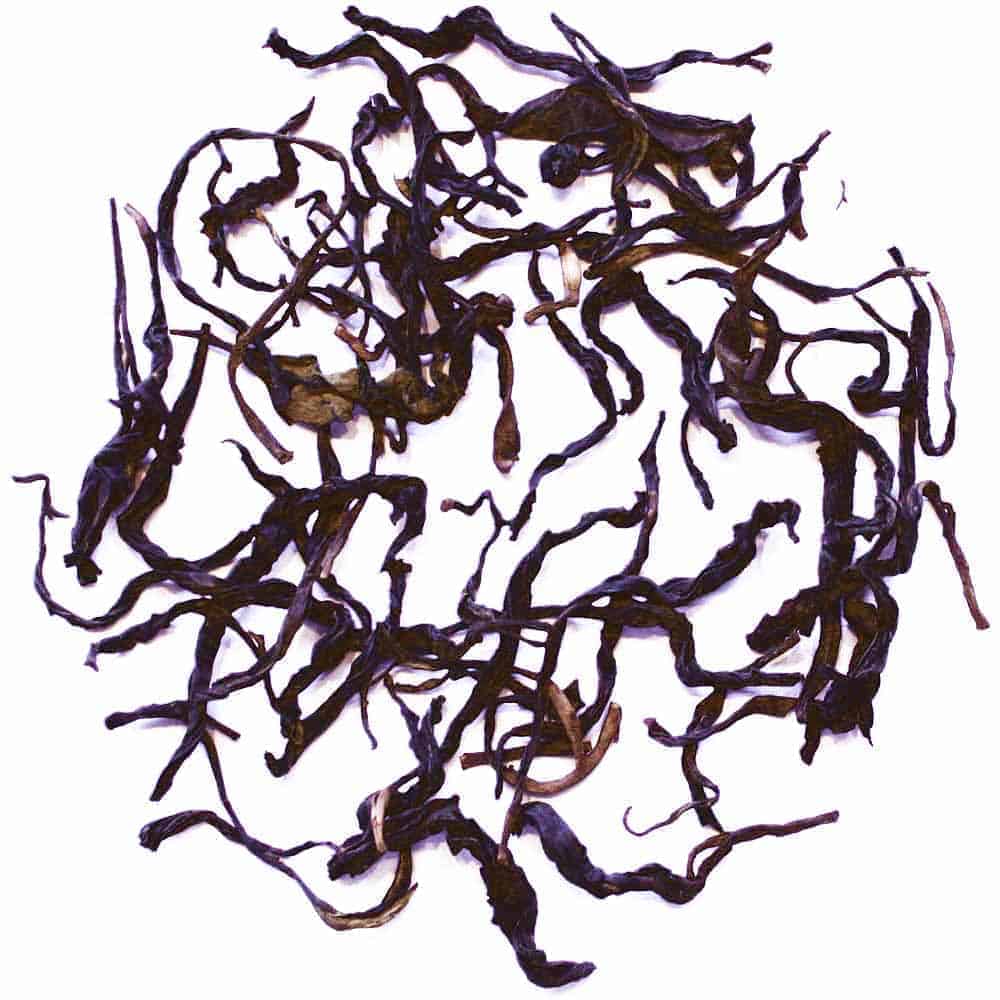
Balyocha is a semi-oxidised Korean tea with a unique production process. In Korea, which otherwise mainly produces green tea (nok-cha), interest in Balyocha has increased and the tea is now produced by both large commercial producers and small family farms. We source our Korean teas directly from a small family farm in Hwagae, Hadong, the oldest tea growing area and the area that still produces by far the best teas. Of the several Korean teas we tried, we found this family farm's teas to be in a class of their own. The Kim family makes their teas using traditional methods from their own stock of semi-wild tea bushes grown without pesticides or fertilisers. The tea leaves are picked and processed by hand, and this Balyocha is made from tea leaves picked in the second week of May, the harvest known in Korea as jungjak. In Korea, the harvest is divided into four main harvest periods: ujeon, seejak, jungjak and daejak (daejak refers to all harvests that take place after jungjak and thus includes simpler qualities).
Balyocha is approximately 60-70 % oxidised and is made by subjecting the tea leaves to the following steps: a long withering process outdoors in the shade, rolling (which is more extensive than that of green teas), a prolonged oxidation/drying process that can take 1-2 days. We have chosen to include Balyocha under oolong because the tea can almost be classified as an oolong in the sense that it is partially oxidised, but in practice it falls outside the scope of existing tea categories. In Korea, the term Hwang-cha (yellow tea) is sometimes used for teas made by this method. Balyocha, on the other hand, means oxidised tea and can also refer to other teas that have been oxidised. As balyocha oxidises/dries at a temperature of between 30-40 degrees, it favours a natural bacterial flora on the tea leaves that is healthy for humans. Overall, Balyocha is a tea with a unique character where the flavour is soft and full-bodied, with warm notes of chocolate, precious wood and honey. The tea farm practises sustainable agriculture and uses neither pesticides nor artificial fertilisers.
Origin: Hwagae, Hadong, South Korea. Harvest: 2025.
Infusion
Quantity / 250 ml 2,5-3 g
temperature 90-95°C
Infusion 2-3 minutes
Balyocha lends itself well to multiple infusions. The second infusion is best kept short, as the leaves have already started to open and release their flavours. Subsequent infusions, on the other hand, should be left to rest a little longer to allow the flavours to deepen and the nuances to emerge. For many teas, two or three infusions with the above parameters are enough, but some keep on giving, cup after cup.
••••••••
THE GONGFU METHOD
Quantity / 100 ml gaiwan
5-7 grams
Water temperature
90-95 °C
First rinse
5-10 sec (pouring away)
Infusion 110-15 sec
Infusion 25-10 sec
Infusion 310-15 sec
Infusion 415-20 sec
Infusion 520-30 sec
Infusion 6++10 sec per extra infusion
The Gongfu method allows many short infusions.
Increase the time gradually over time. Oolong teas and pu erh are particularly suitable.
Leverans till närmaste paketbox som öppnas med PostNord App och Bluetooth.Om paketet inte får plats i din postlåda levereras det vid din dörr eller i en påse utanpå postlådan.Paketet levereras till ditt närmaste PostNord-ombud. Du aviseras via sms/email och kan hämta ut det med legitimation eller BankID i appen.Information om PostNord frakt.




 Quantity / 250 ml
2,5-3 g
Quantity / 250 ml
2,5-3 g
 temperature
90-95°C
temperature
90-95°C
 Infusion
2-3 minutes
Infusion
2-3 minutes