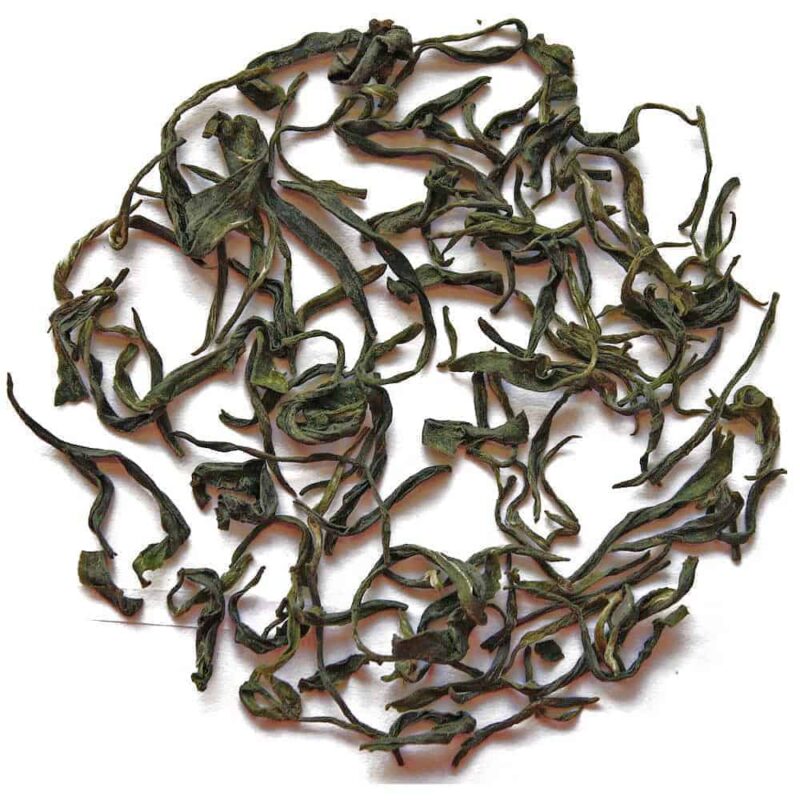
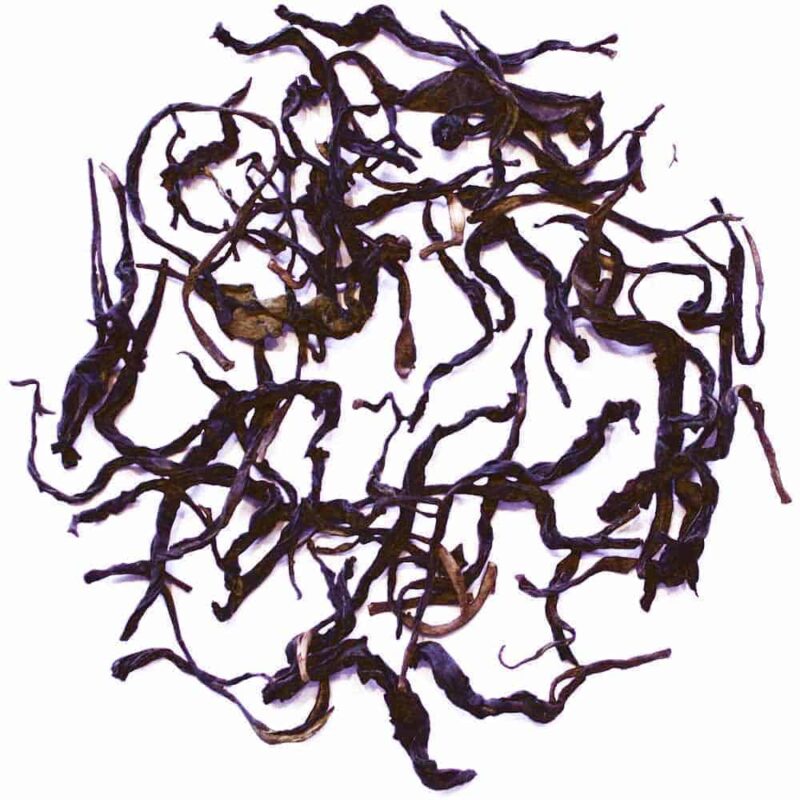
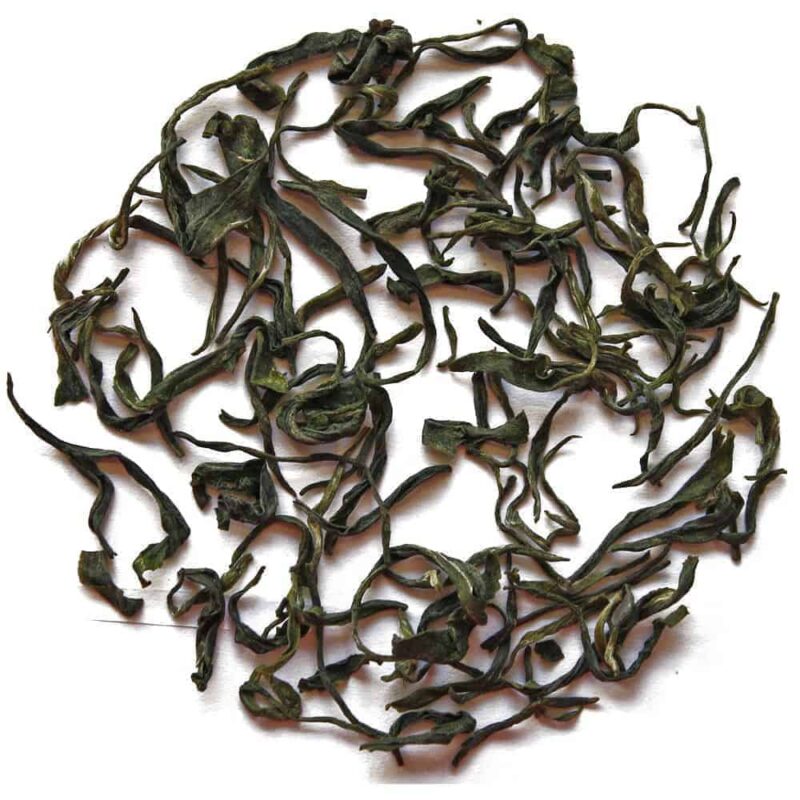
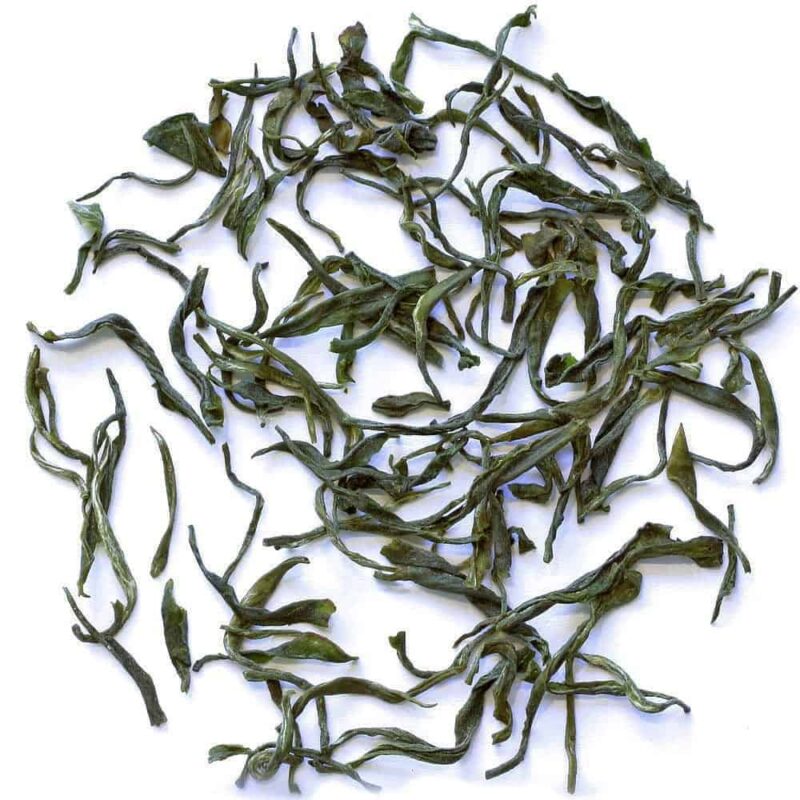
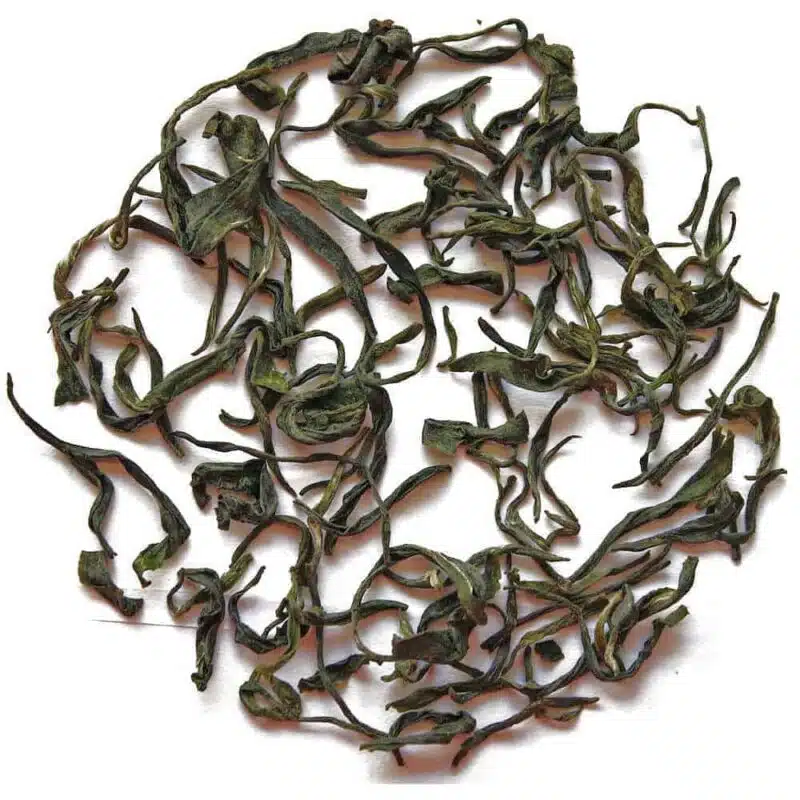
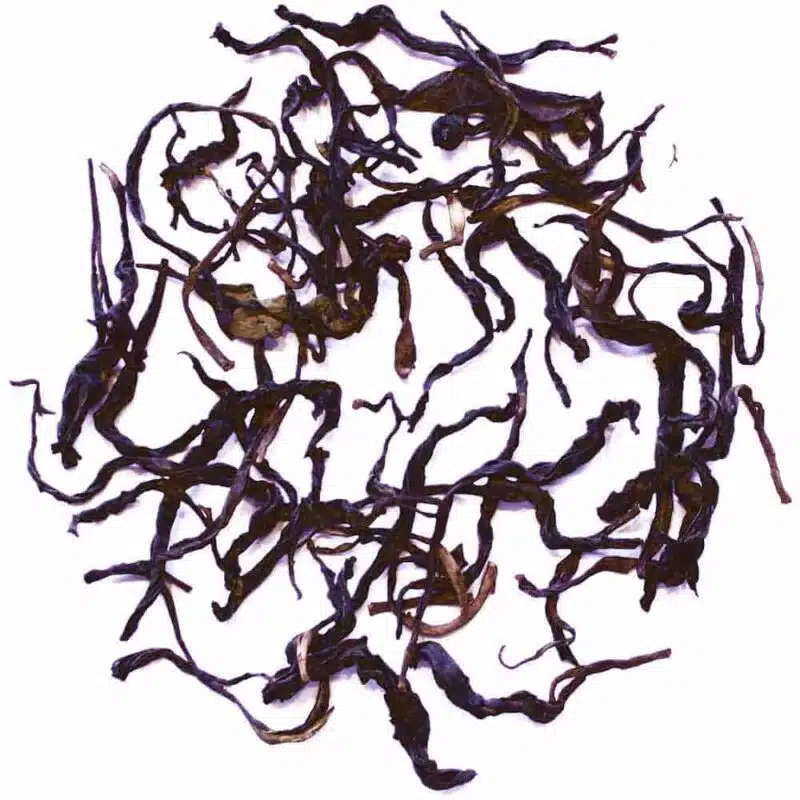
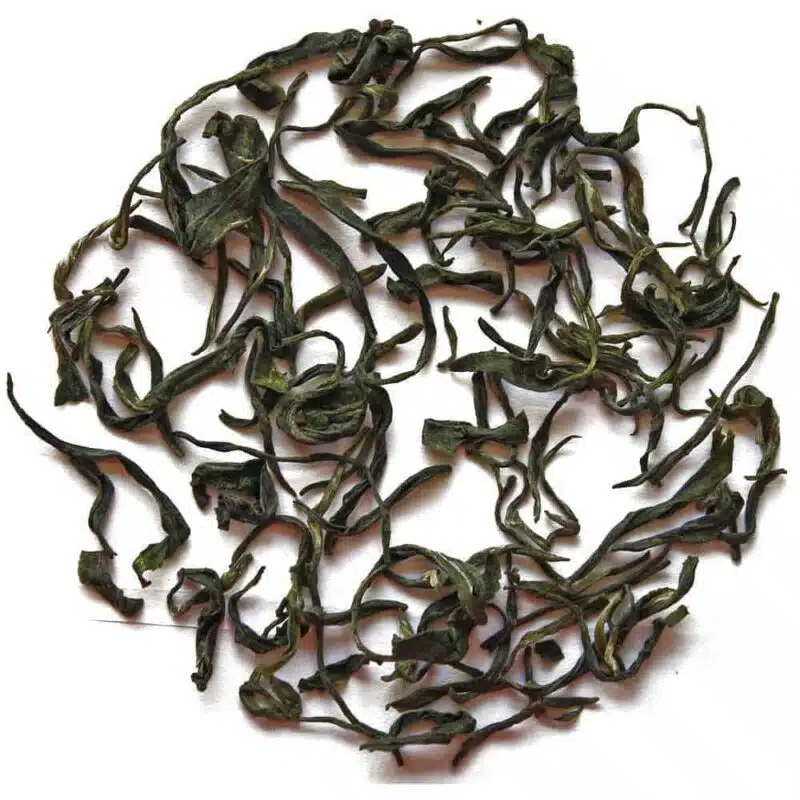
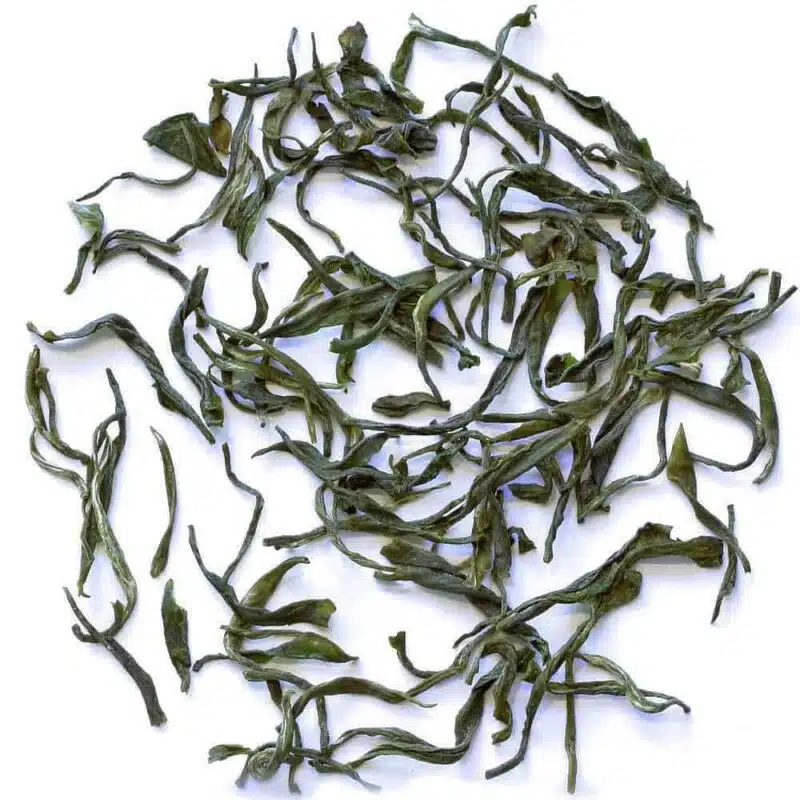
South Korea is often overshadowed by China and Japan, but produces some of the world’s most elegant green teas. In terms of flavour, they often fall somewhere between the clean, elegant character of Chinese teas and the richer umami of Japanese teas. We source our Korean teas directly from the Kim family’s award-winning estate in Hwagae, Hadong – the historic cradle of tea cultivation in Korea. The estate cultivates its own semi-wild tea bushes, known locally as yasaeng-cha (”wild tea”), and produces its teas entirely by hand. The range follows Korea’s traditional classification based on the four spring harvest periods: Ujeon, Sejak, Jungjak and Daejak, where each vintage expresses its own character.
Korean tea culture has its roots in China. During the Silla dynasty, more than a thousand years ago, Buddhist monks brought both tea plants and knowledge of cultivation, production and tea brewing from China to the Korean peninsula. The first tea bushes were planted in Hwagae in Hadong, which is still regarded today as the cradle of Korean tea culture. The area’s mist, mountain slopes and mild climate continue to provide excellent conditions for slow growth and aromatic leaves.
We source our Korean teas directly from the Kim family, whose award-winning farm is situated in the heart of this historic region. The family cultivates their own semi-wild tea bushes, known locally as yasaeng-cha, which has developed over a long period of time and adapted to the local environment. The farm’s teas are picked and produced entirely by hand. Although Korean tea culture has its origins in China, over the centuries it has developed its own distinct character, combining traditional Chinese methods with Korean craftsmanship and a clear local identity.
Four harvests – four expressions
In Korea, spring green teas are traditionally classified according to harvest time rather than leaf size. The first picking is called Ujeon and takes place before Gogu (Guyu), around 20 April. This is followed by Sejak, Jungjak and finally Daejak. Each harvest has its own character. The earliest harvests are often more concentrated and elegant, whilst the later ones develop greater body and a softer, more vegetal character. This traditional classification is still used by many of Korea’s leading small-scale producers and reflects just how significant the harvest time is for the character of the finished tea.
Chinese or Japanese?
Korean green tea is often described as a bridge between China and Japan. Historically, Korean tea culture has its origins in China, and much of the craftsmanship – from processing to brewing – has developed from the Chinese tradition. At the same time, the geographical and cultural conditions in Korea have given rise to a style of its own. Many Korean teas combine the pure and elegant character of Chinese green tea with a certain richness reminiscent of Japanese teas. The result is teas with a smooth, nuanced and well-balanced character that is quite unlike that of any of its neighbouring countries.
Small-scale craftsmanship and semi-wild tea bushes
Most of South Korea’s finest teas are still produced on a small scale. Unlike many larger tea-producing countries, the domestic market has long been more important than exports, which means that many of the most exclusive teas rarely leave the country. This is also one of the reasons why Korean tea remains relatively unknown outside Asia.
The Kim family’s farm also stands out from many other producers thanks to its stock of semi-wild tea bushes, known locally as yasaeng-cha. These bushes have grown and developed over a long period of time in the local environment and contribute to the distinctive character of the farm’s teas. The combination of hand-picking, traditional production methods and unique plant stock ensures that each harvest clearly reflects its origin.