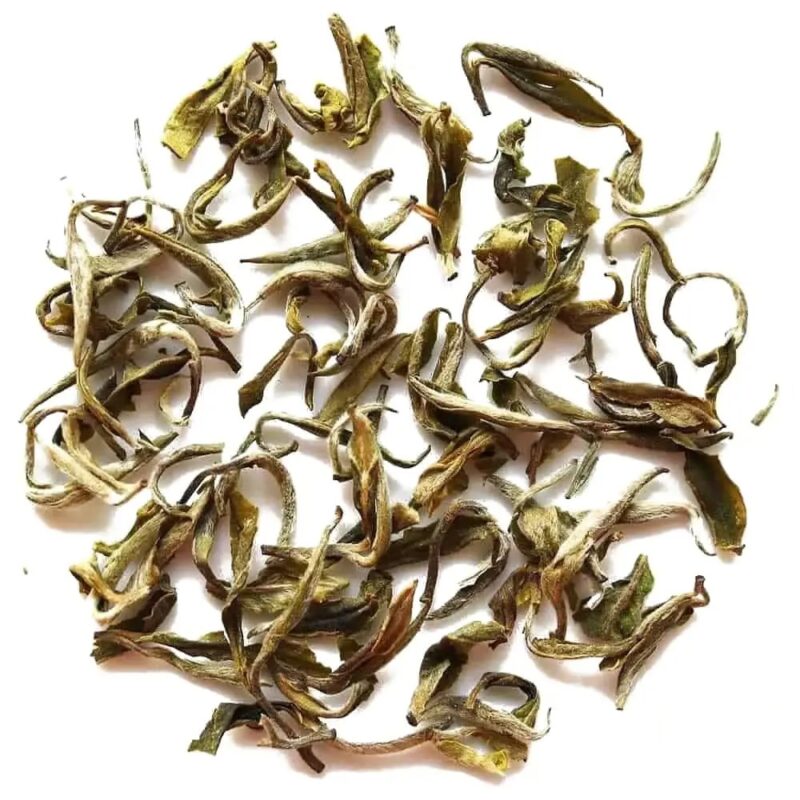
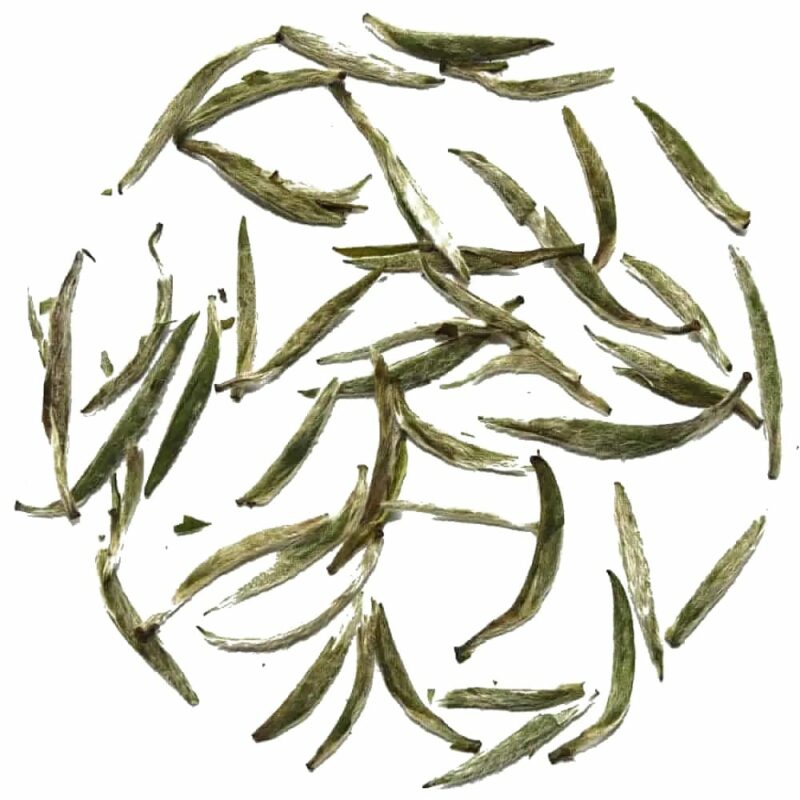
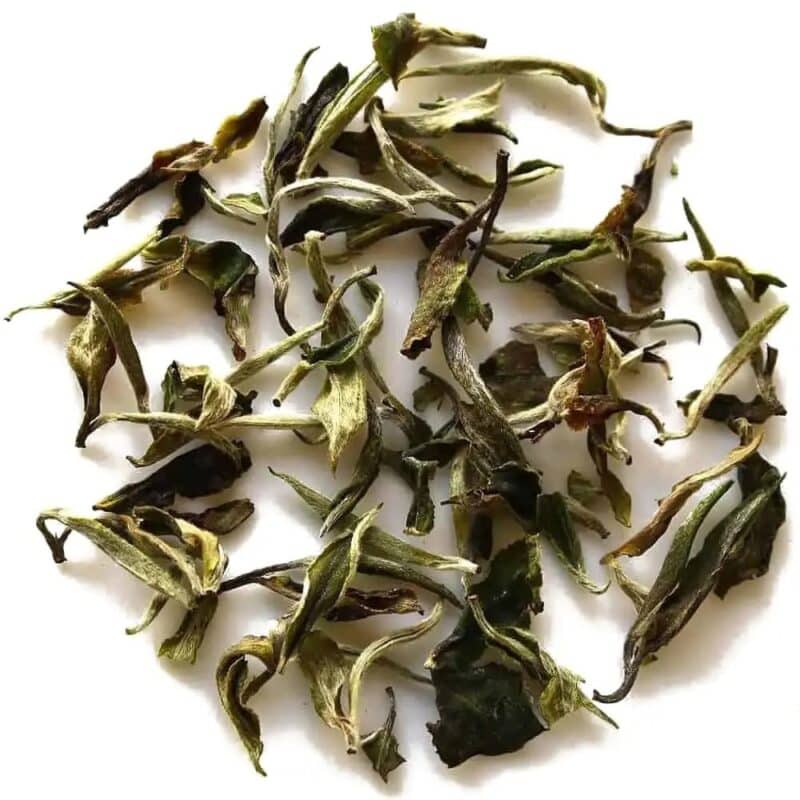
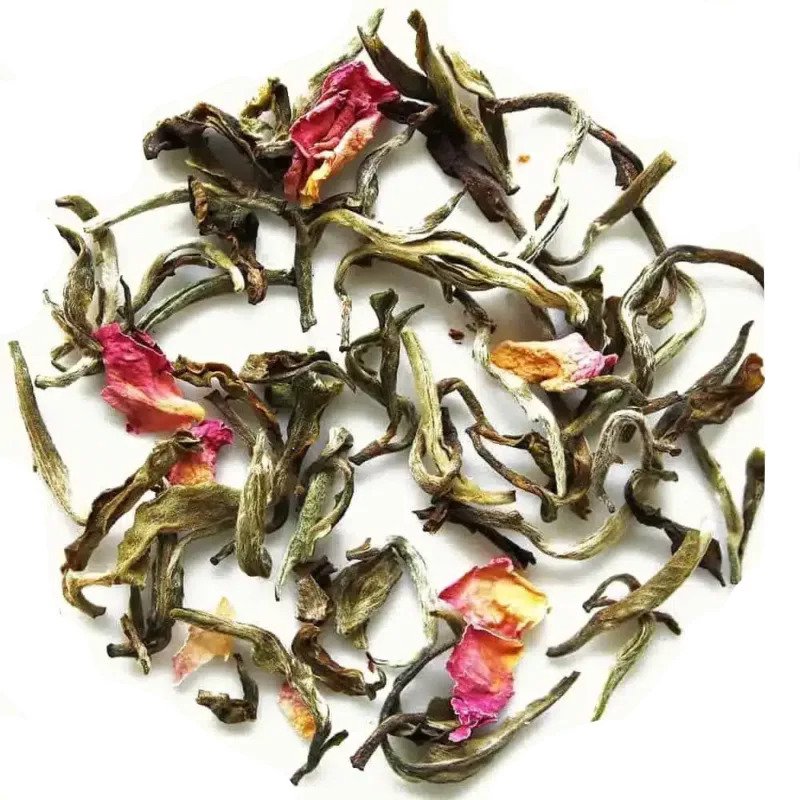
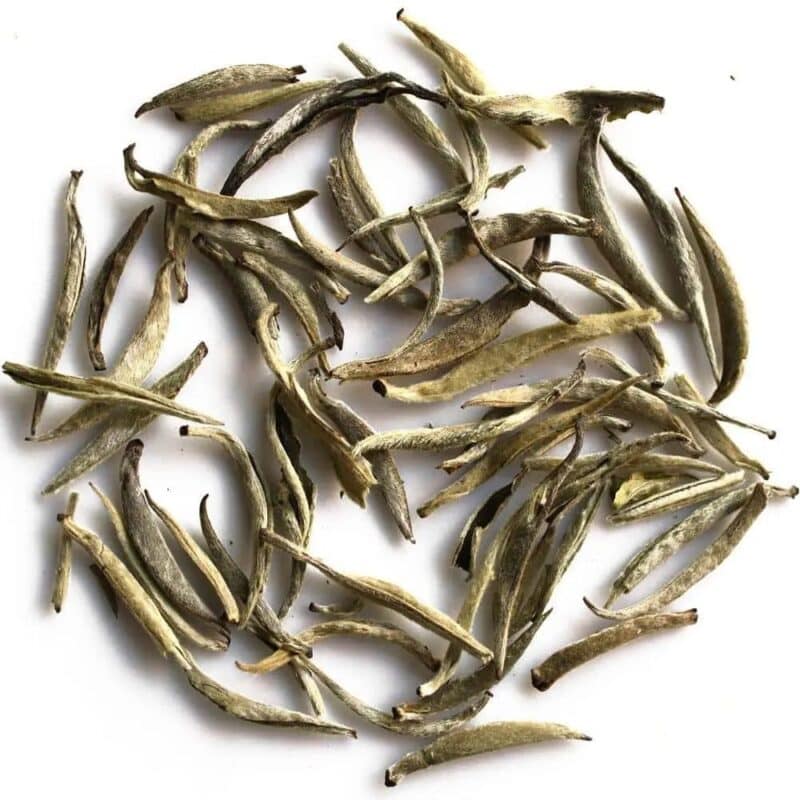
White tea is one of the most subtle and nuanced categories in the world of tea. The young buds and leaves undergo a gentle processing method that focuses on preserving the natural character of the raw material. The result is teas with a smooth mouthfeel, low bitterness and aromas that can range from floral and fruity to honey-like, herbaceous and mineral. From Baihao Yinzhen and Bai Mu Dan in China to Himalayan White From Nepal, this category demonstrates the breadth that has made white tea loved by tea enthusiasts all over the world.
We are currently on holiday, so it will not be possible to place orders over the next few days. The next dispatch will be on 29 June. Thank you for your patience, and we apologise for any inconvenience caused.
White tea has its historical origins in Fujian Province in China, where some of the world’s most famous white teas are still produced. It was here that several of the styles now associated with white tea were developed. Traditionally, white tea is made from young buds and tender leaves that are allowed to wither and dry slowly, giving the tea its characteristically soft and nuanced flavour.
Despite its reputation as the least processed type of tea, white tea demands a great deal of skill from the producer. As the processing is so gentle, there are few opportunities to influence the tea’s character after harvesting, which makes the quality of the raw material particularly important.
Despite its reputation as the least processed type of tea, white tea demands a great deal of skill from the producer. As the processing is so gentle, there are few opportunities to influence the tea’s character after harvesting, which makes the quality of the raw material particularly important.
Although Fujian is still regarded as the historical centre of white tea, high-quality white teas are now also produced in other parts of China and in regions such as Nepal. Differences in altitude, climate, grape varieties and winemaking techniques give rise to a wide variety of styles, ranging from light and floral to fuller-bodied and fruitier profiles.
One of the most subtle teas in the world of tea
White tea is often described as the least processed of all the major types of tea, but that does not mean that its production is straightforward. On the contrary, white tea places high demands on the raw materials, weather conditions and the producer’s experience. As the processing is so gentle, there is little scope for concealing any flaws in the leaves, which means that the quality of the harvest is of particular importance.
The flavour profile varies depending on origin and style. Some white teas exhibit elegant notes of flowers, melon and stone fruit, whilst others develop hints of honey, herbs and dried fruit. What they all have in common is the smooth mouthfeel and low bitterness that have made white tea a favourite amongst tea enthusiasts worldwide.
White tea and storage
Although white tea is often appreciated for its fresh and youthful character, some white teas can develop further during storage. Over time, the floral notes tend to become softer, whilst aromas of honey, dried fruit and herbs come to the fore. This has made aged white tea increasingly popular amongst collectors and tea enthusiasts.
Just as with other fine teas, the end result is influenced by many factors, with origin, picking standards, cultivar and craftsmanship playing at least as important a role as age. White tea therefore offers an unusual combination of elegance, complexity and potential for development that sets it apart from many other categories of tea, such as green tea and Pu-erh.