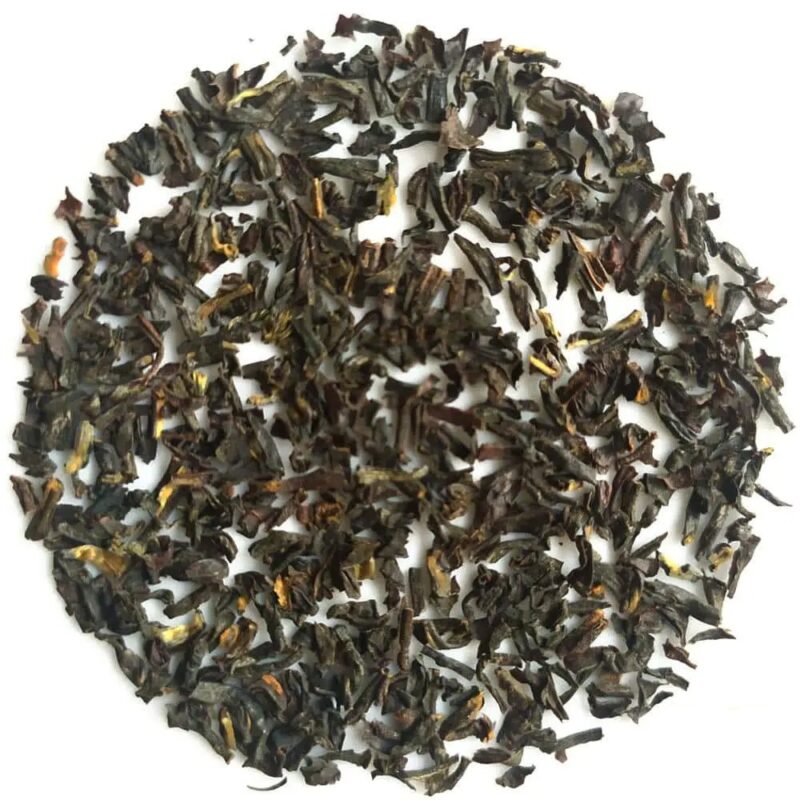
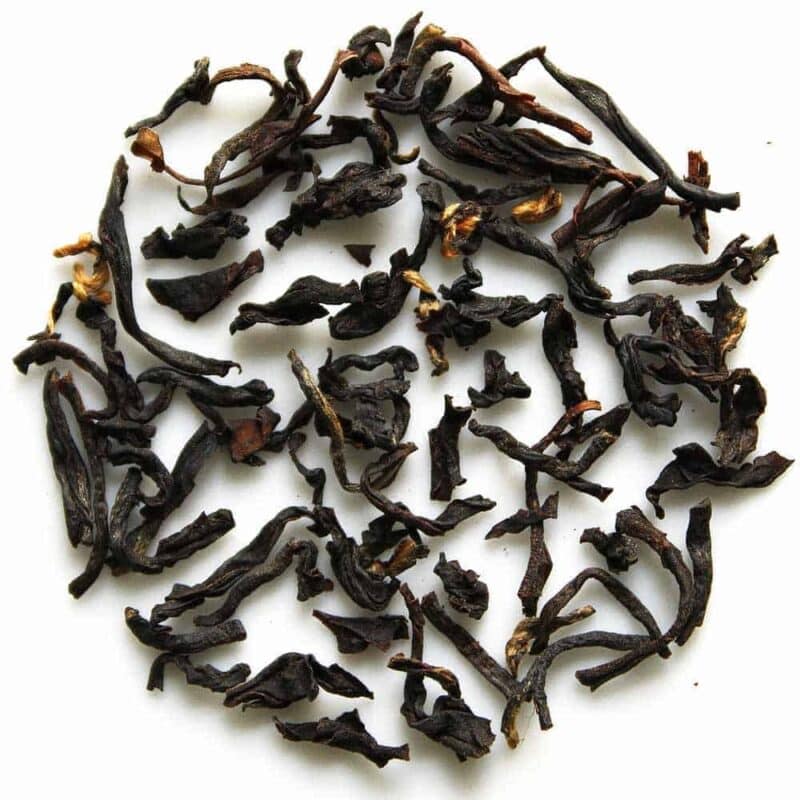
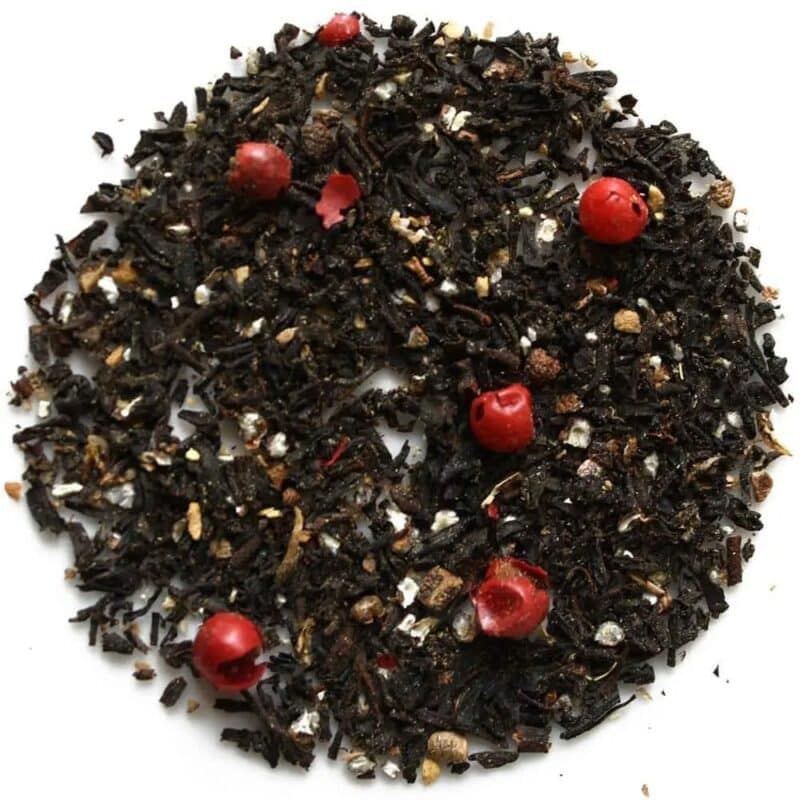
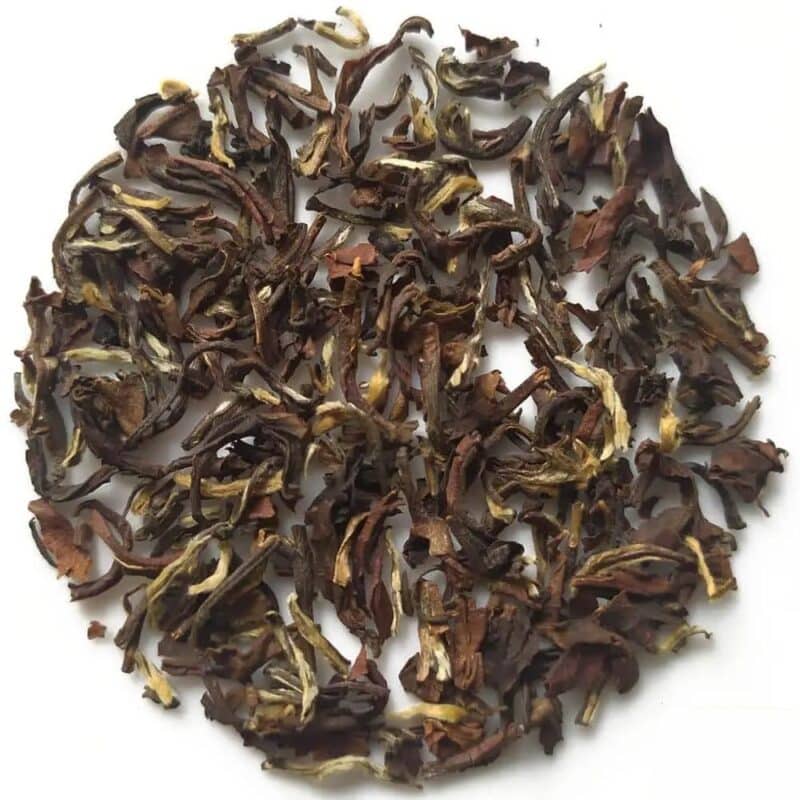
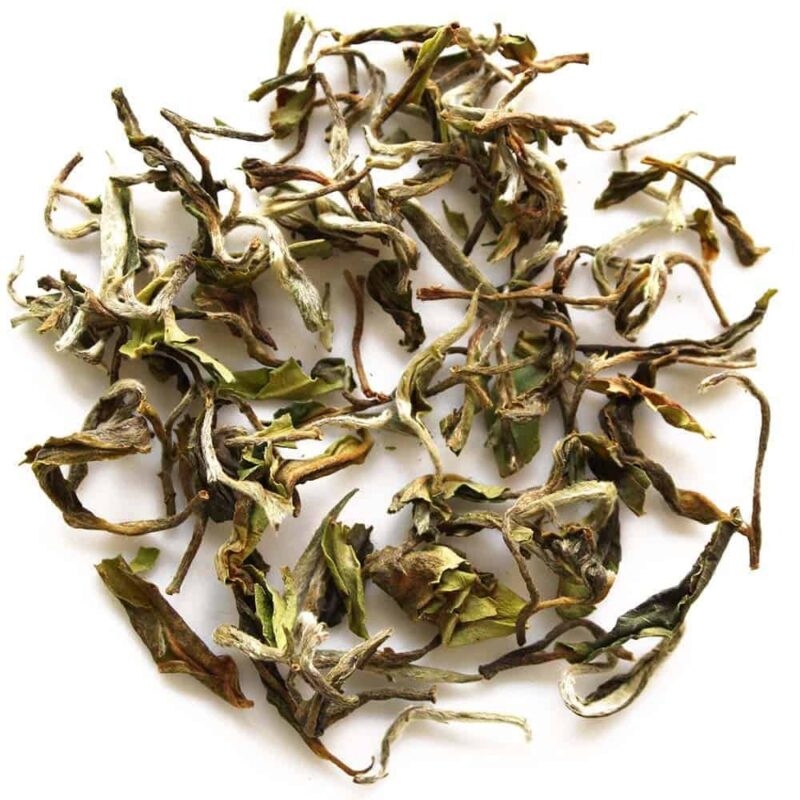
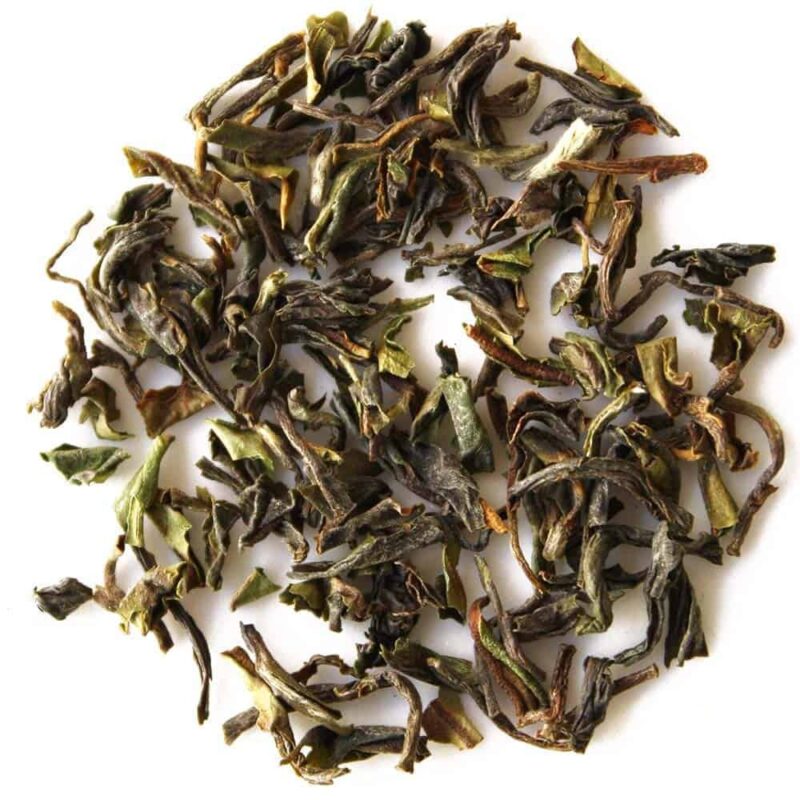
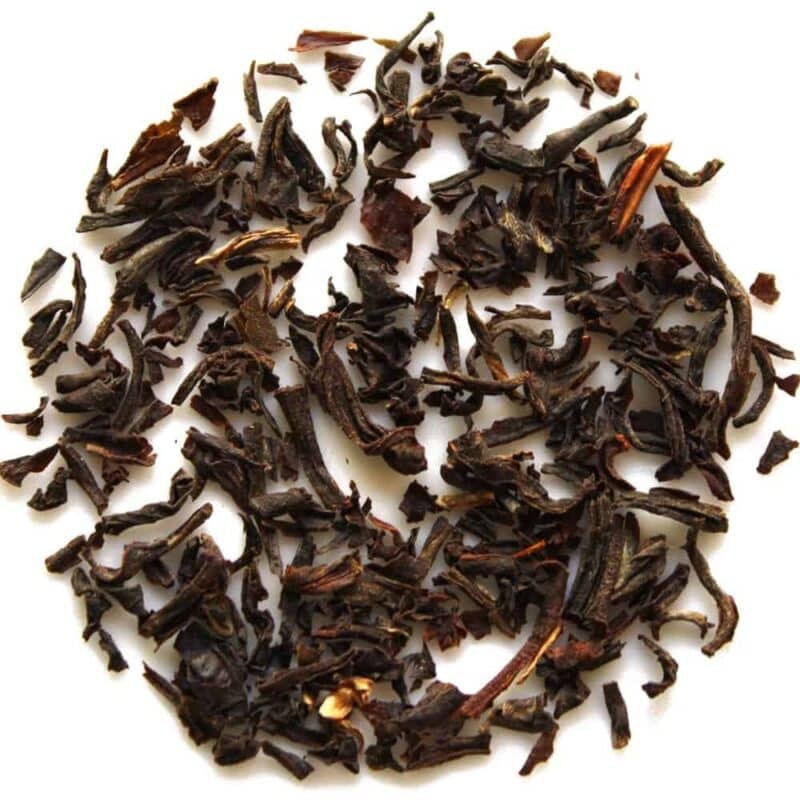
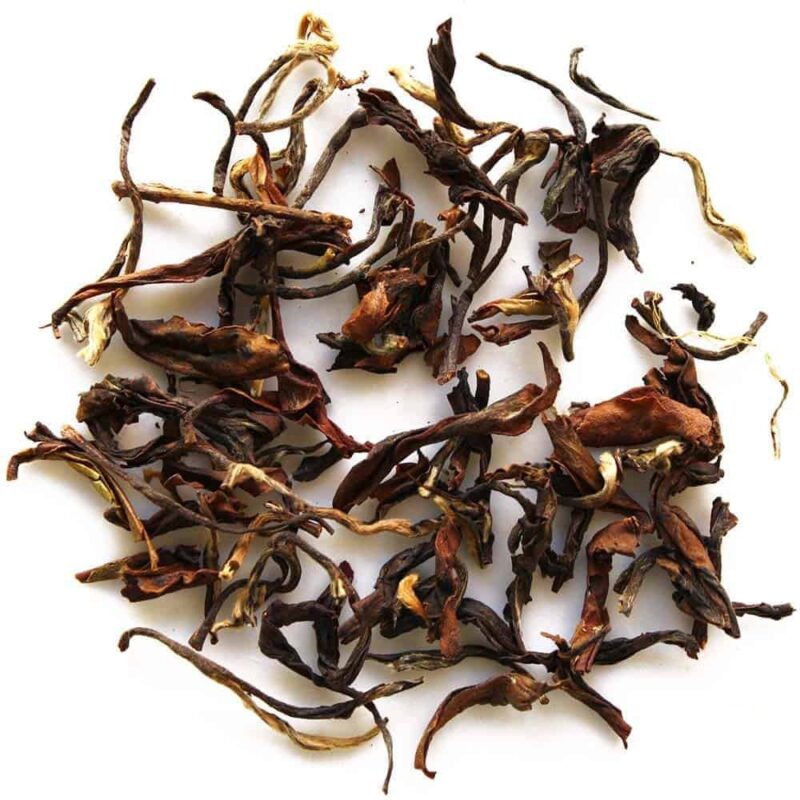
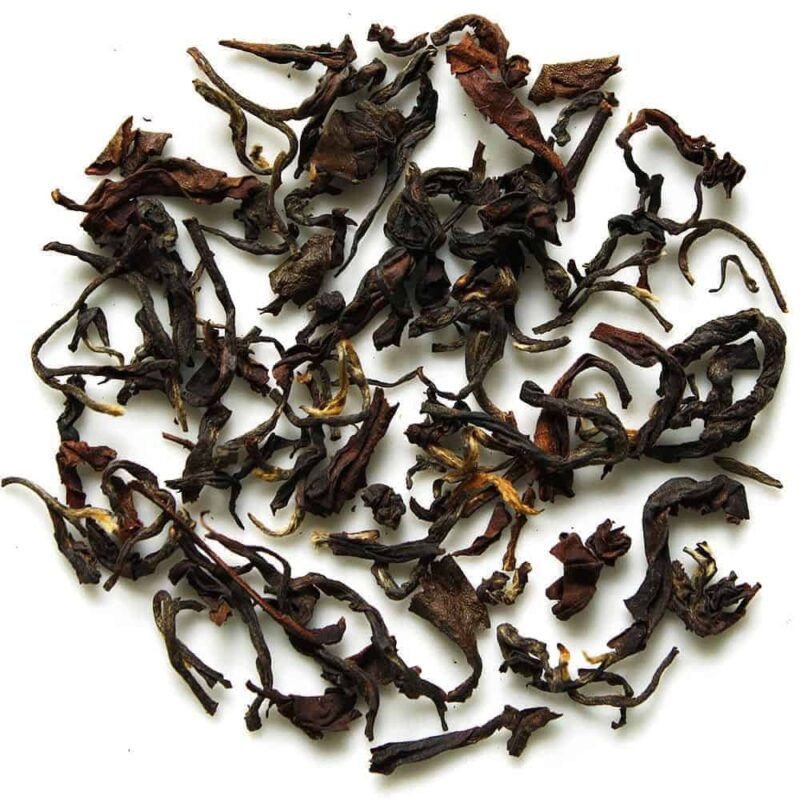
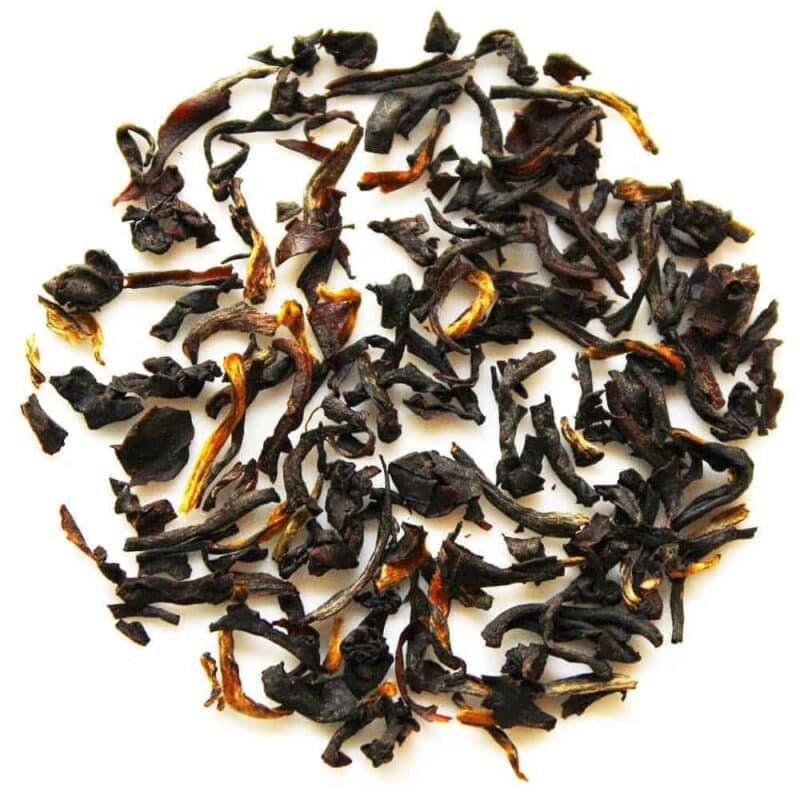
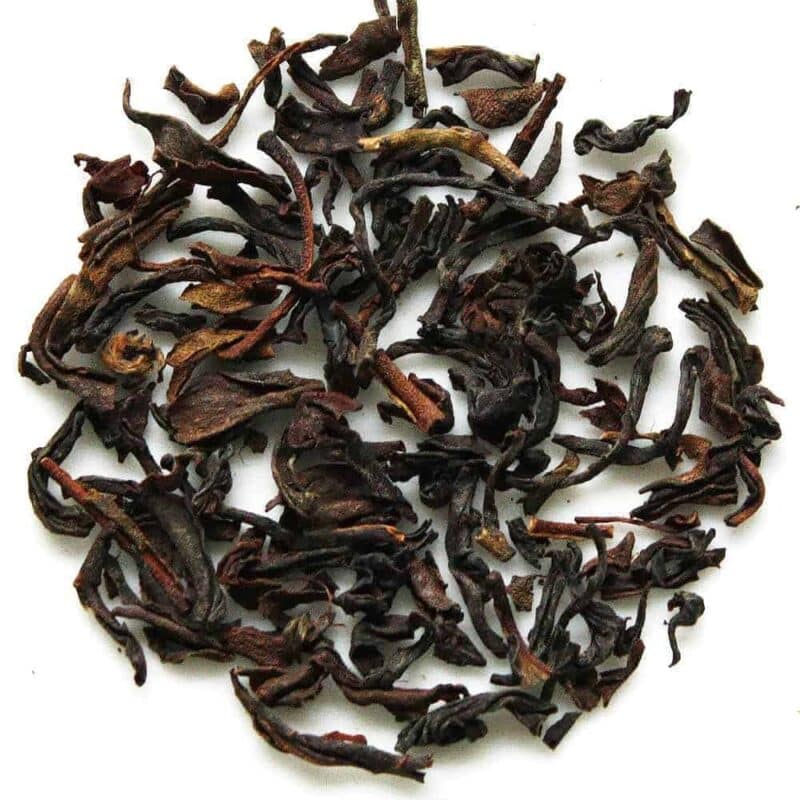
Indian tea encompasses some of the world’s most iconic tea-growing regions – from the high-altitude plantations in Darjeeling to powerful Assam and full-bodied teas from the Dooars. Here you’ll find, above all, black teas with a distinct regional character, but also classic blends such as Chai Supreme and Earl Grey Assam Gold. We work on a long-term basis with producers such as Singell, Samabeong, Chardwar and Pebble Brook, where climate, altitude, soil and craftsmanship shape each harvest. The result is Indian teas that reflect their origins rather than a standardised flavour profile.
India is one of the world’s most important tea-producing countries and is home to several very different tea-growing regions. Darjeeling is situated high up on the slopes of the Himalayas and is renowned for its elegant, nuanced teas, characterised by their freshness and complexity. Assam produces full-bodied, malty black teas, whilst the Dooars region produces softer, rounder teas. Together, they demonstrate how climate, altitude, soil and local traditions shape completely different expressions of Indian tea.
The history of tea in India
Tea originated in China, but India has played a crucial role in the modern history of tea. During the 19th century, large tea plantations were established in Assam and later in Darjeeling. In Assam, people began to cultivate the native large-leaf tea variety Camellia sinensis var. assamica, whilst Chinese tea bushes were introduced to the mountainous regions of Darjeeling. Over time, the regions developed their own traditions and today produce some of the world’s most highly prized single-origin teas.
Cultivars – the tea plant’s equivalent of grape varieties
Just as wine is influenced by the grape variety grown, tea is influenced by the cultivar used. A cultivar is a selected variety of Camellia sinensis with distinctive characteristics in terms of flavour, aroma, growth habit and hardiness. In Darjeeling, many older Chinese tea plants and local varieties are still cultivated, contributing to the region’s elegant character, whilst Assam is dominated by Camellia sinensis var. assamica, whose larger leaves produce fuller-bodied and more robust teas. For us, the cultivar is an important part of the tea’s identity, but it always interacts with the terroir, climate, altitude and craftsmanship.
Assam is renowned for its full-bodied black teas, but high quality is not just about strength. We look for teas with depth, balance and a long finish. Assam Chardwar Golden Tippy, Assam Chardwar Reserve and Assam Chardwar FBOP Tippy shows how classic malt character can be combined with elegance and purity.
From Dooars, we offer Dooars Pebble Brook Golden Tippy, a tea that represents the region’s softer and rounder style. Together, Assam and Dooars demonstrate the breadth of Indian black tea.
Organic producers and long-term relationships
What’s more, several of our Indian teas are organically certified. We work on a long-term basis with producers who combine sustainable farming methods with a strong focus on quality and provenance. For us, organic certification is important, but it is no substitute for sensory evaluation. Each tea is selected for its ability to reflect the place where it was grown.
Indian tea in classic flavours
Indian tea also forms the basis for several of our most popular flavoured teas. Chai Supreme is based on the classic Indian tradition of using whole spices, whilst Earl Grey Assam Gold combines a full-bodied Assam tea with cold-pressed bergamot oil from Calabria. Here, the base tea and the flavouring work together to create a balanced whole, whilst the tea’s own character remains the focal point.