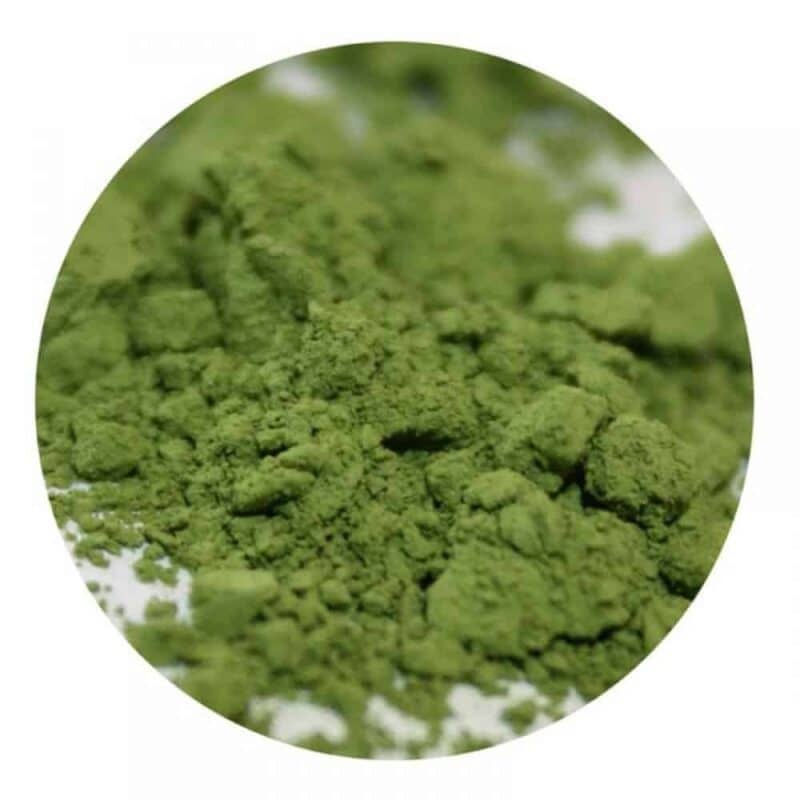
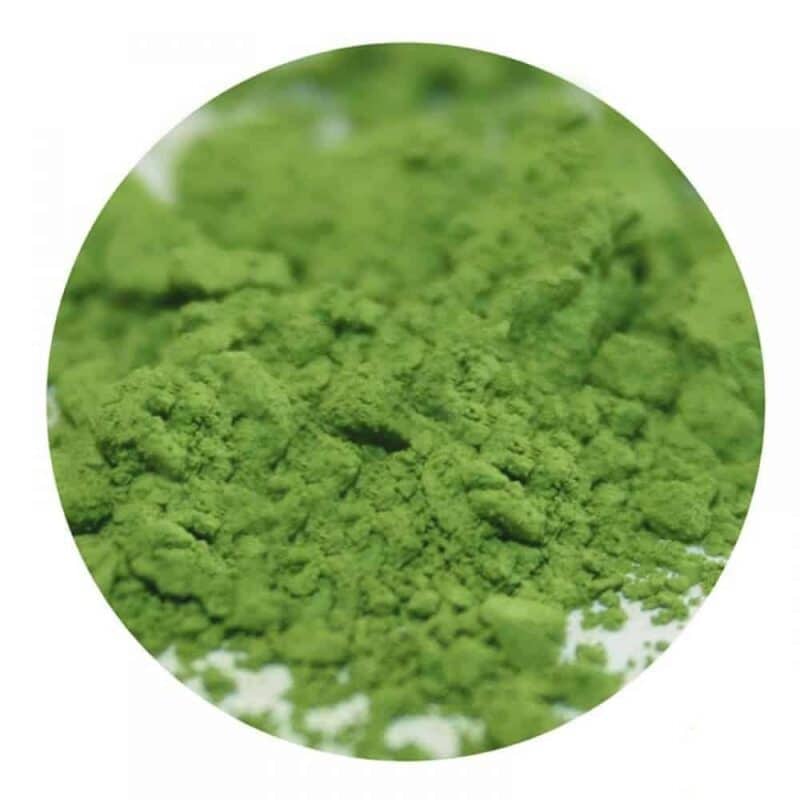
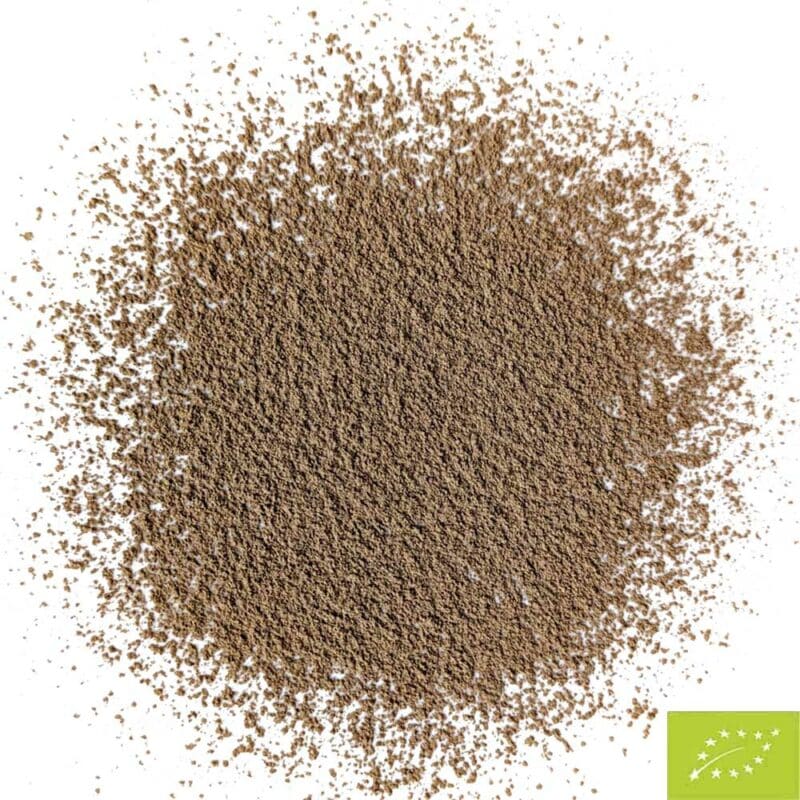
Matcha is a traditional Japanese green tea that differs from other teas in its unique production method: instead of being brewed from whole leaves, the tea leaves are ground into a very fine matcha powder. When matcha is prepared, the powder is whisked together with hot water until a frothy, intensely green beverage is formed. Because the leaves are not strained, the whole tea leaf is drunk, resulting in a richer flavour and a higher content of natural nutrients.The flavour of Japanese matcha tea is deep and complex - rich in umami with mild, algal notes that are distinctly different from other green teas. The tea leaves used for matcha are called tencha and are grown under special conditions.
During the last weeks before harvest, the plants are protected from direct sunlight, which increases the levels of chlorophyll and contributes to the characteristic colour and flavour. In recent years, demand for organic matcha has increased significantly. Organically grown matcha is produced without synthetic pesticides or fertilisers, making it a more sustainable option for both the environment and the consumer. Here you will find carefully selected varieties of matcha - perfect for traditional tea ceremony, matcha latte or cooking. Read moreRead less
How matcha is produced - from tencha to matcha powder
Matcha is made from specially grown tea leaves called tencha. In the last weeks before harvesting, the tea plants are covered to protect them from direct sunlight. The shading allows the plant to produce more chlorophyll and amino acids, which contribute to matcha's deep green colour and rich umami flavour.
After harvesting, the leaves are gently steamed to stop oxidisation, dried and then slowly ground in stone mills into a very fine matcha powder. The result is a tea that is not brewed but whisked directly in water - a method that distinguishes matcha from other types of green tea.
Organic matcha and sustainable farming
The interest in organic tea has increased significantly in recent years, and organic matcha is no exception. Organically grown matcha is produced without synthetic pesticides or fertilisers, making it a more sustainable choice for both the environment and the consumer.
One example is Matcha No Midori, which offers pure Japanese matcha with a focus on sustainable cultivation and natural flavour.
Different types of matcha
Matcha comes in several different styles depending on how it will be used. Some varieties are best suited to drinking pure, while others are developed for drinks and cooking.
For matcha lattes and smoothies, for example Match For Drinks a popular choice. For a more classic experience Matcha No Midori give a richer and more traditional flavour profile.
Matcha for tea, latte and cooking
Matcha is one of the most versatile teas in Japanese tea. In addition to traditional matcha tea, matcha powder is often used in matcha lattes, smoothies, baking and desserts. As the powder dissolves directly into the drink or food, it adds flavour, colour and nutrients.
Matcha in combination with other teas
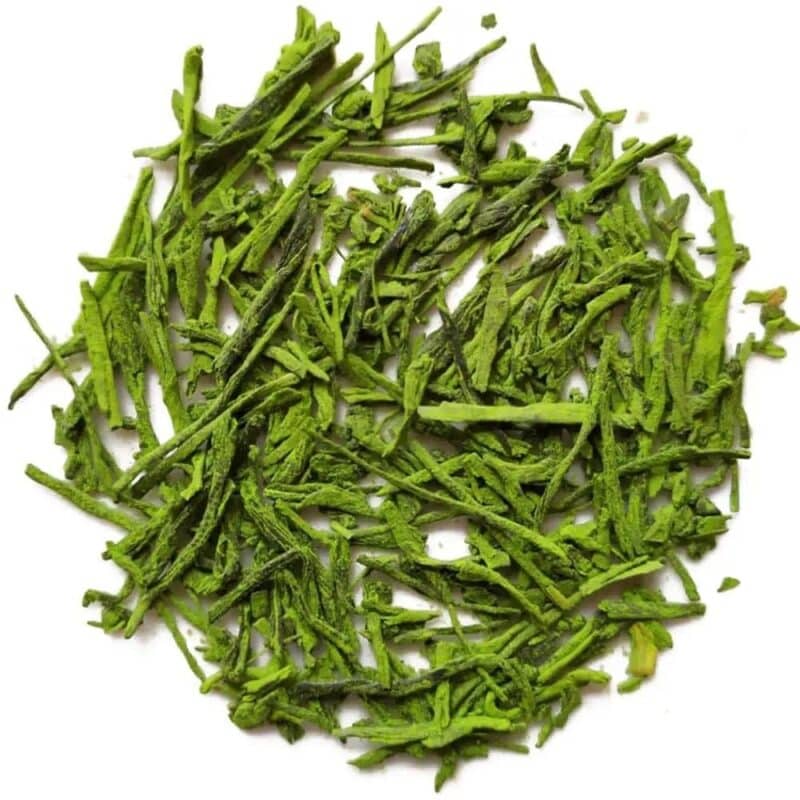
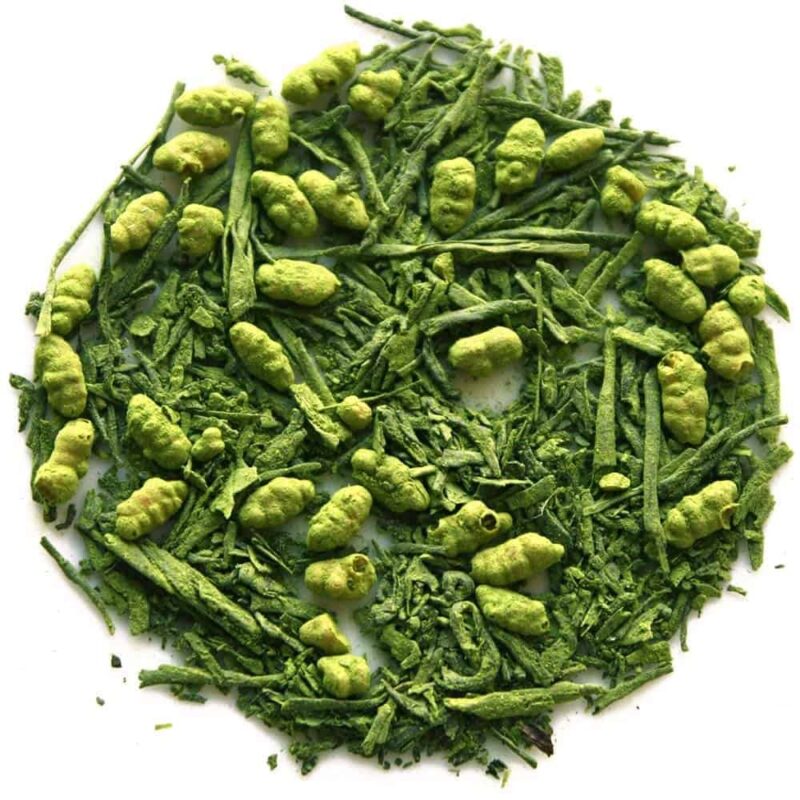
Our range also includes exciting blends such as Matcha Sencha and Matcha Genmaicha. These combine matcha powder with classic Japanese teas, adding new dimensions of flavour - from fresh and grassy to round and slightly nutty.
Explore our matcha varieties above and discover the difference between different types of Japanese matcha - from classic varieties to modern blends.