



Matcha & Powdered Tea
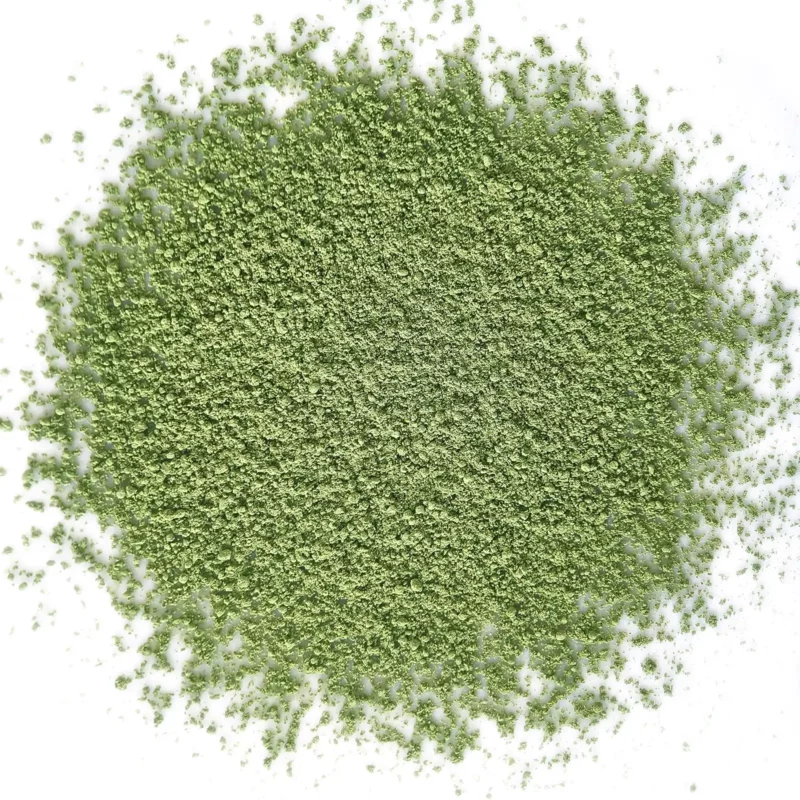
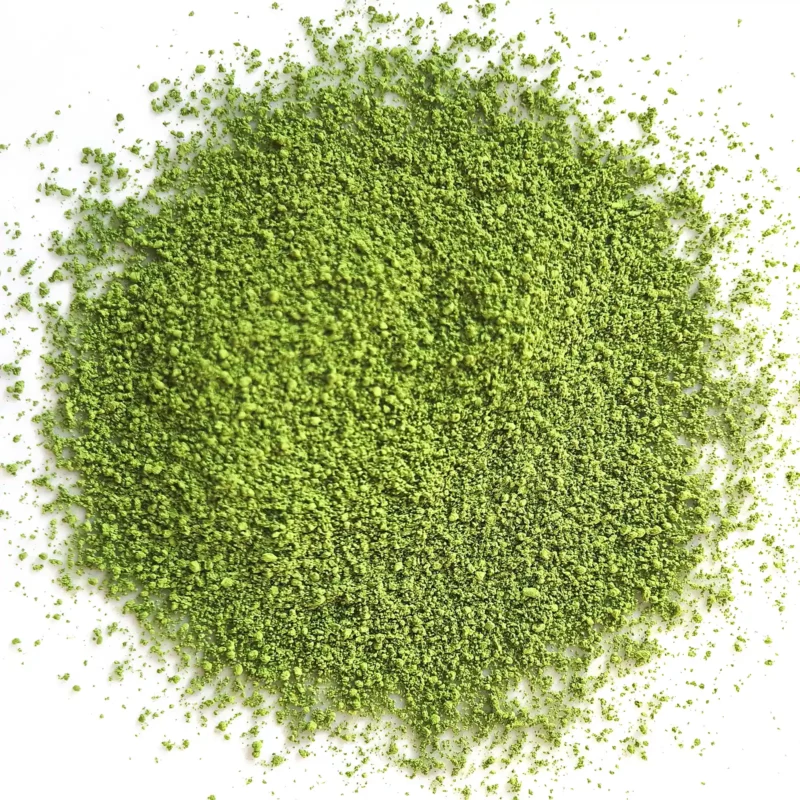
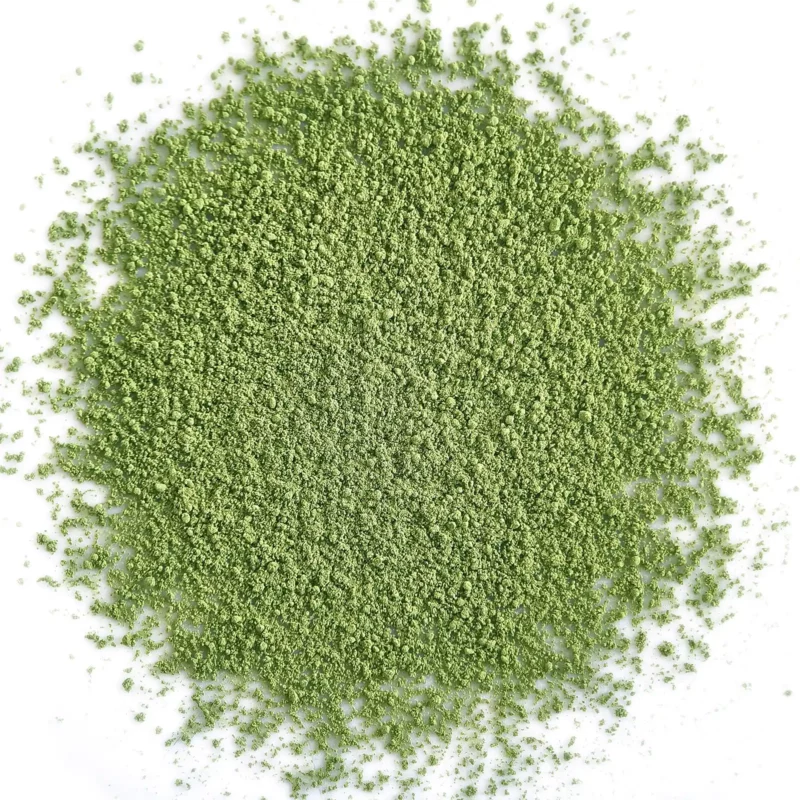
Matcha is a finely ground Japanese green tea where the entire leaf is consumed as a powder whisked into water. The shading prior to harvest and the gentle grinding give the tea its full-bodied mouthfeel, distinct umami and intense green colour. The result is a tea with a concentrated flavour profile that is distinctly different from other green teas. The range includes matcha for traditional preparation, matcha for lattes and cooking, as well as Japanese teas in which matcha is combined with Sencha, Genmaicha and Hojicha powder.
Showing all 6 results
-

Hojicha Powder
Price range: 95kr through 1,990kr -
Matcha For Drinks
Price range: 109kr through 2,459kr -
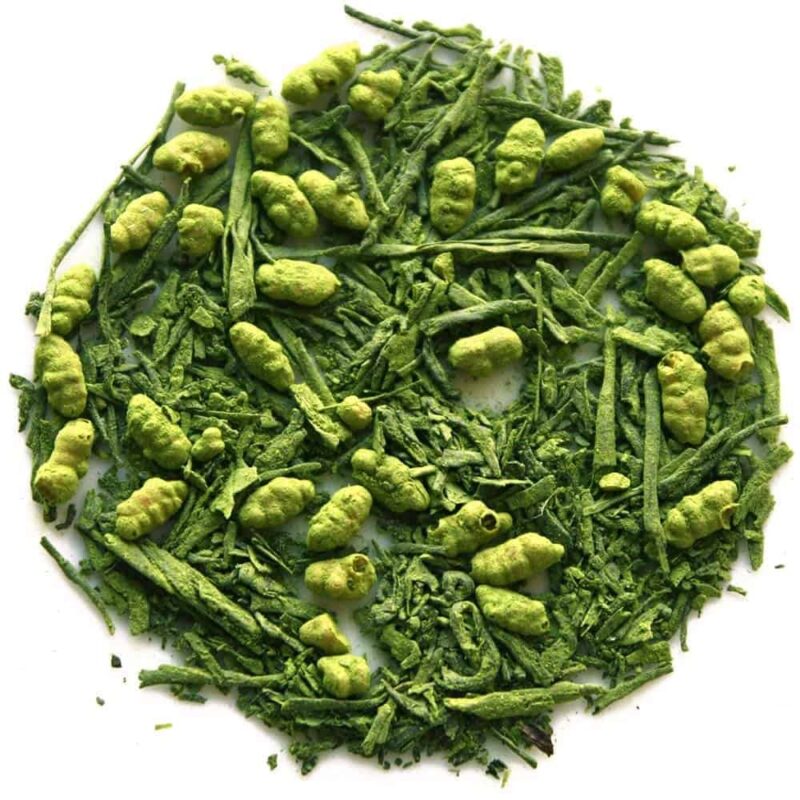
Matcha Genmaicha
Price range: 85kr through 309kr -
Matcha No Midori
219kr -
Matcha Sencha
Price range: 109kr through 389kr -
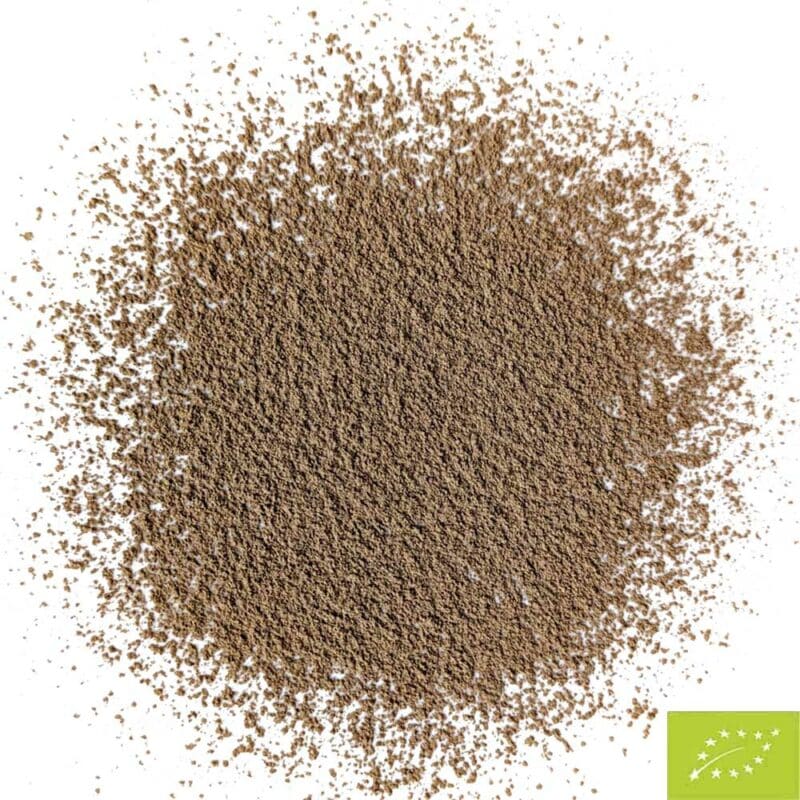
Organic Matcha
139kr
Matcha – from China to Japan
Matcha is today strongly associated with Japan and forms a central part of modern Japanese tea culture, but its historical roots go back to the powdered tea used in China during the Song dynasty. During this period, the tea leaves were steamed, ground into a powder and whisked together with hot water. When the tradition later disappeared from Chinese tea culture, it was preserved and further developed in Japanese tea.
Over the centuries, cultivation, shading, processing and preparation were refined, whilst matcha came to play a central role in the Japanese tea ceremony. Zen Buddhism, which developed from Chinese Chan Buddhism, also helped to shape the ideals of mindfulness, simplicity and concentration often associated with matcha. Over the centuries, Japanese tea culture has also been influenced by philosophical and aesthetic ideas with roots in China, where concepts from Buddhism, Daoism and Confucianism, amongst others, came to find new expression in Japanese culture. Many of the utensils, ceramic traditions and aesthetic ideals now associated with the Japanese tea ceremony also have historical precedents in China, although over time they evolved into distinctively Japanese forms.
Today’s matcha is therefore both a link to an ancient Chinese tradition and a distinctive product of Japanese tea craftsmanship.
Shading, tencha and grinding
What makes matcha unique is not simply the fact that the tea is ground into a powder. The cultivar, growing location, shading, harvest time and processing all influence the tea’s final character. Before harvesting, the tea bushes are shaded to reduce the amount of direct sunlight, which contributes to greater body, sweetness and umami.
In a way, the method is reminiscent of the conditions that occur naturally in mist-shrouded tea mountains, where clouds and mist limit solar radiation. After harvesting, the leaves are steamed to halt oxidation, after which the stems and coarser leaf veins are removed. The remaining leaf material is called tencha and is slowly ground into the fine powder used for matcha, one of the most distinctive forms of green tea.
Matcha as a tea
Matcha is, first and foremost, a tea. Just like other teas, its quality, flavour and character vary depending on the producer, raw materials and production method. Some varieties are designed to be drunk on their own, showcasing nuances of umami, sweetness and grassy notes, whilst others are better suited to lattes, baking and cooking.
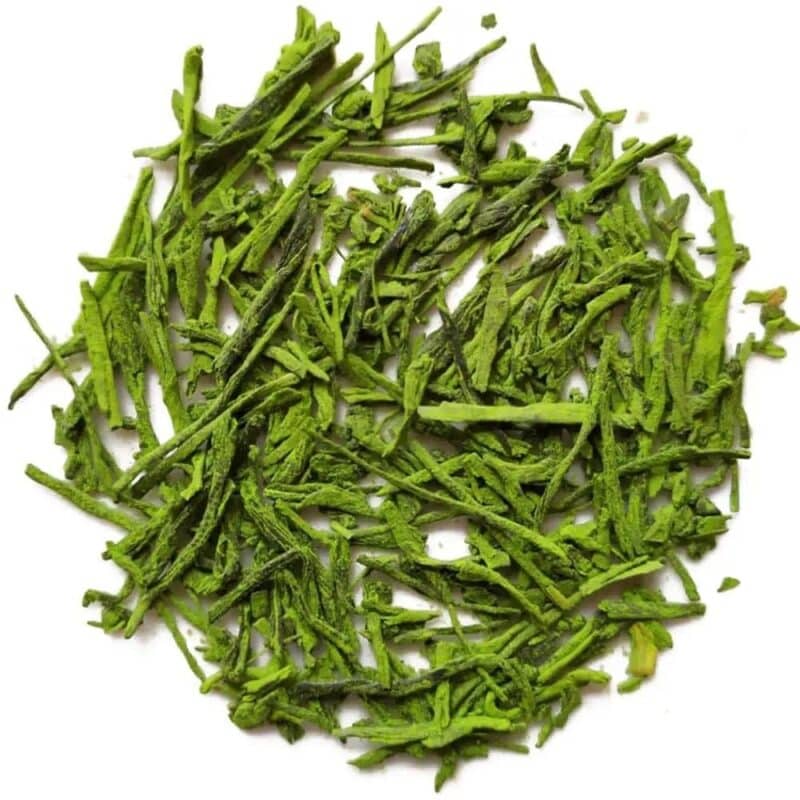
In our range, you’ll find both classic matcha and Matcha Sencha, Matcha Genmaicha and Hojicha Powder, which show how Japanese producers continue to develop new expressions based on the tradition that once began with a simple powder.