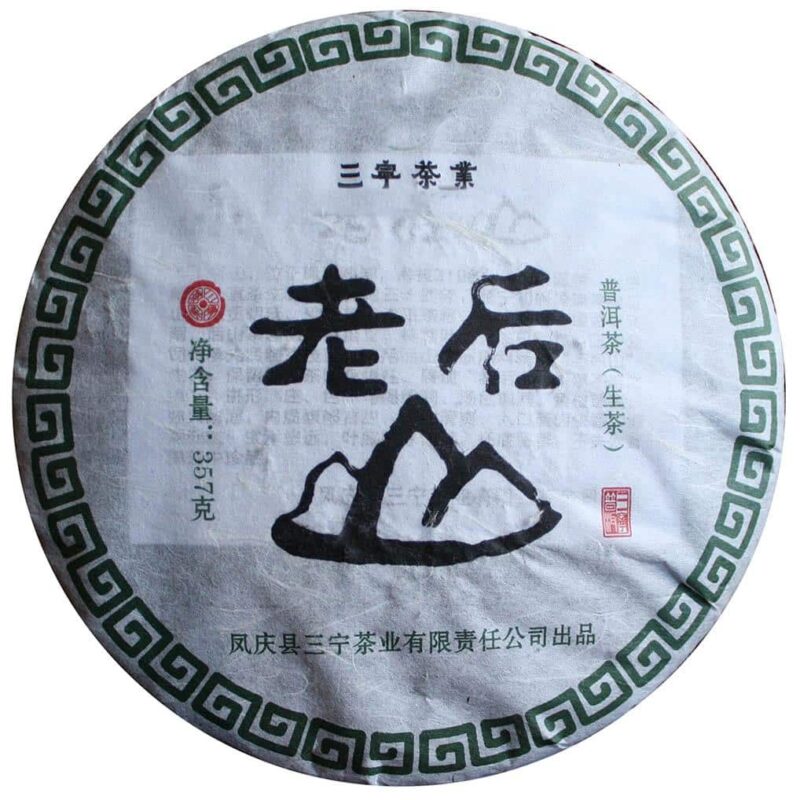
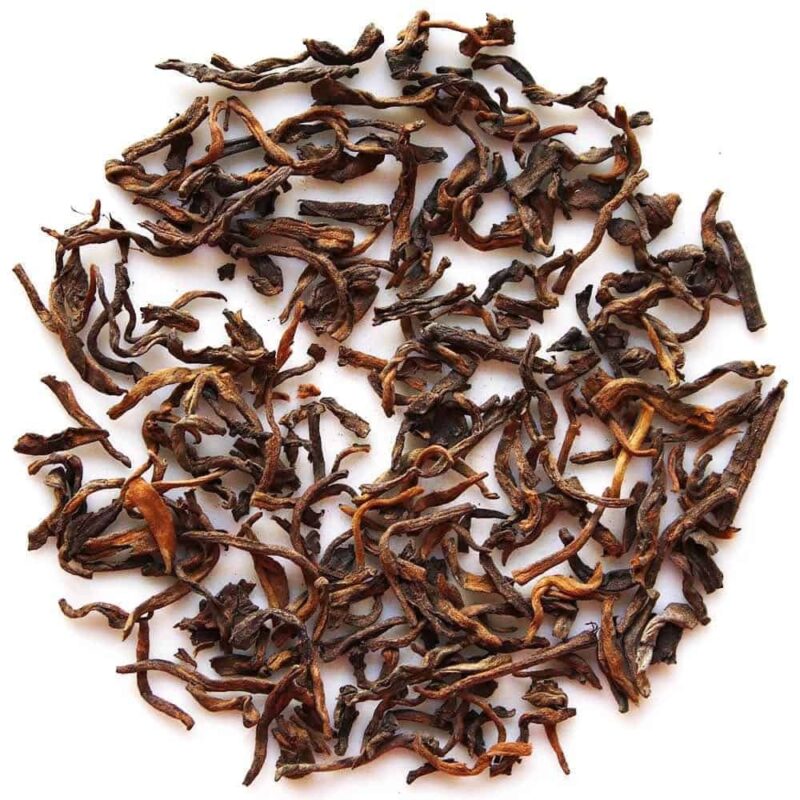
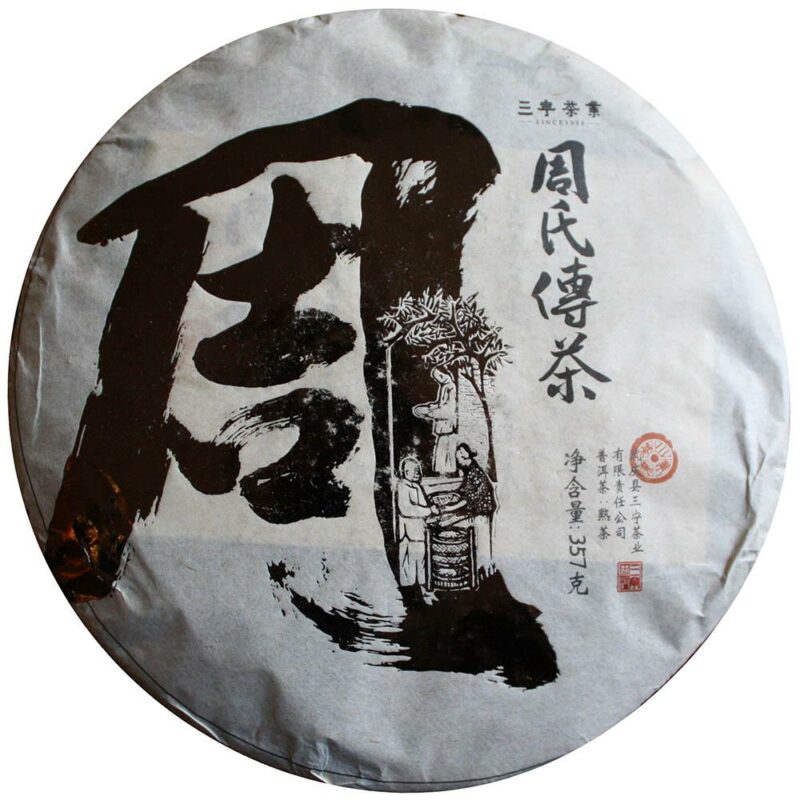
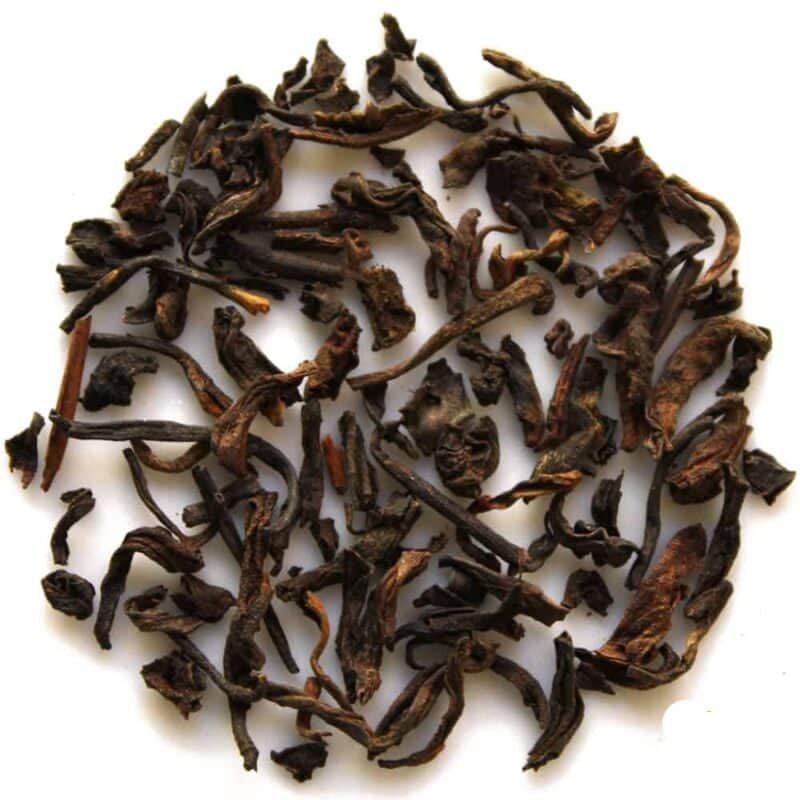
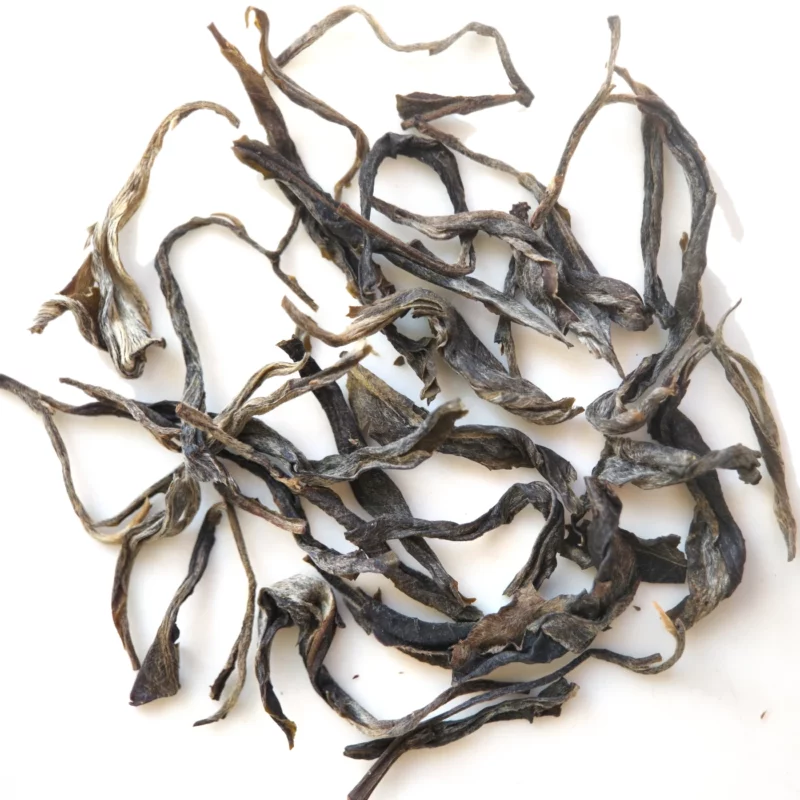
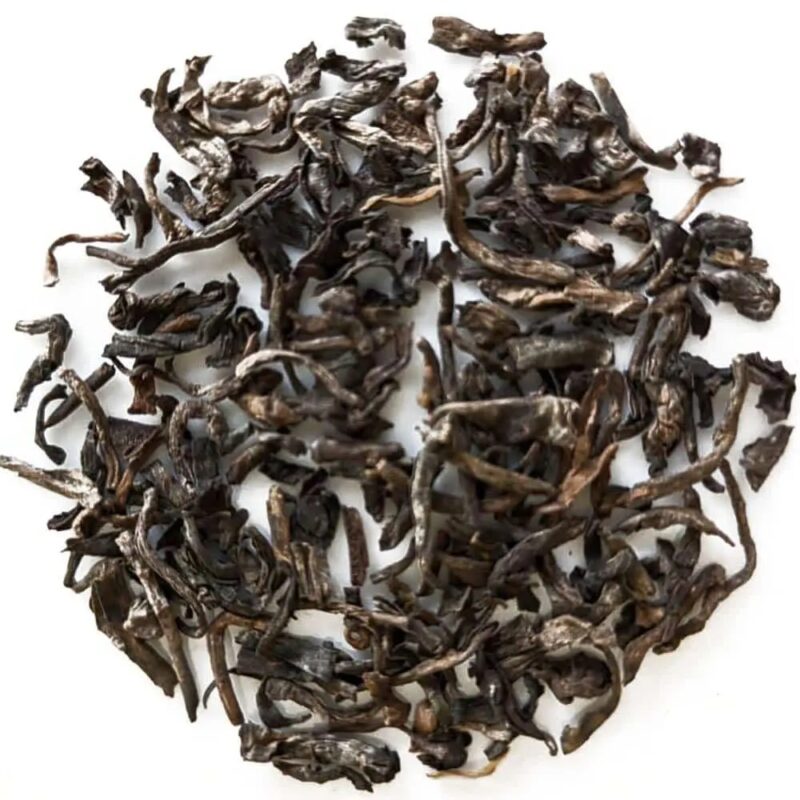
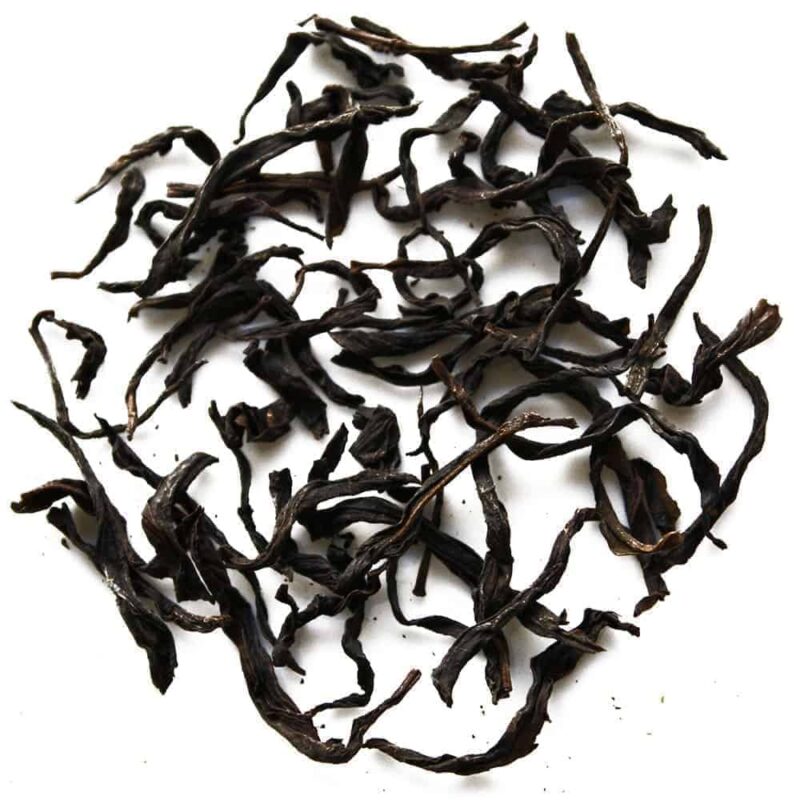
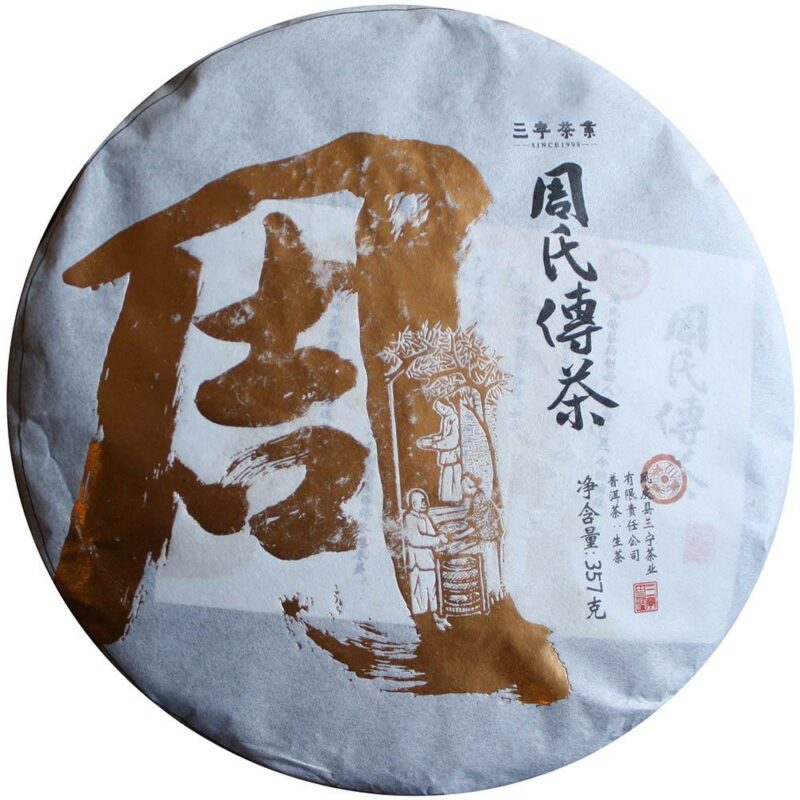
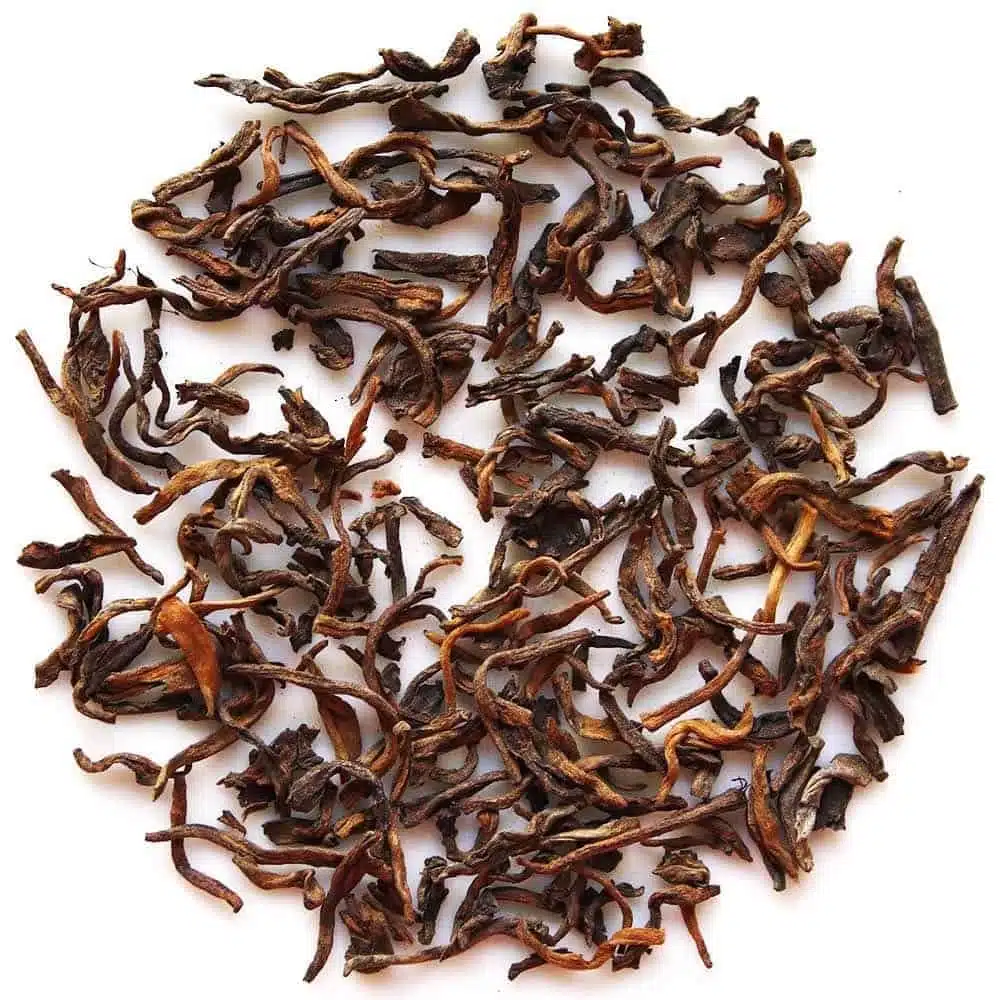
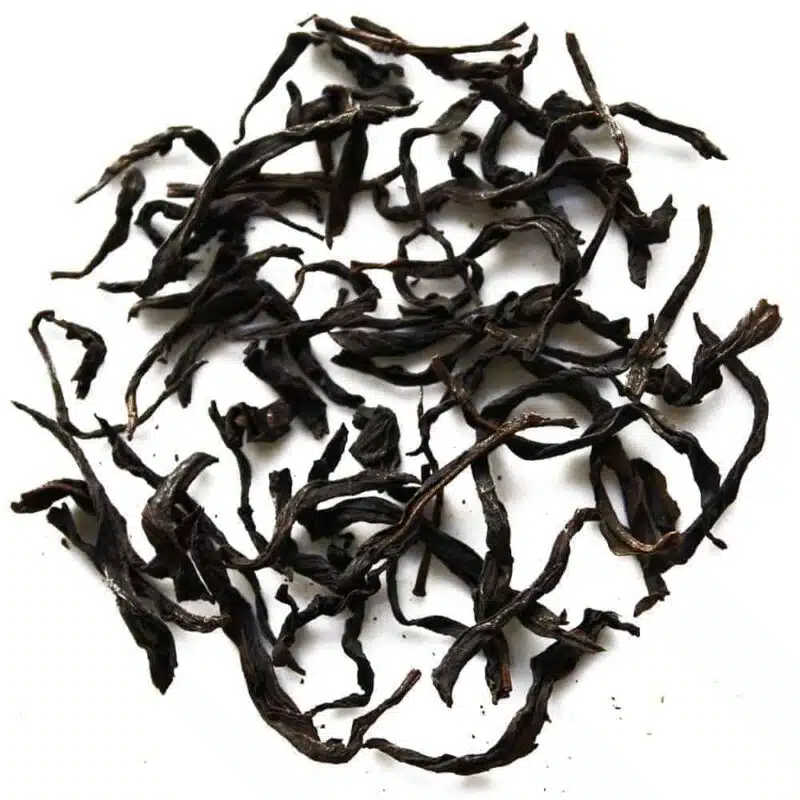
Pu-erh is one of China’s most distinctive categories of tea and originates from Yunnan Province, where tea has been cultivated for millennia. Unlike most other teas, Pu-erh continues to develop after production, which has made it prized both as a drink and as a collector’s item. The flavour varies from fresh and lively to deep, mellow and earthy, depending on its age, origin and production method. From old tea trees in the mountainous regions of Yunnan, such as Simao Old Arbor Forest Tea In the case of stored biscuits, the category demonstrates the breadth that has made Chinese tea into one of the world’s most fascinating tea traditions.
Pu-erh originates in Yunnan, one of the world’s most important regions for tea cultivation. Many researchers regard the area as the natural homeland of the tea plant, and some of the world’s oldest tea trees still grow here. In the mountainous parts of Yunnan, tea has been cultivated and traded for centuries, which has helped to shape the tradition now associated with Pu-erh.
For a long time, Pu-erh was transported along the so-called ‘tea horse trails’, a network of trade routes linking Yunnan with Tibet and other parts of Asia. The journeys could take months and helped to spread both the tea and knowledge of its ageing potential far beyond Yunnan’s borders.
The character of a tea is greatly influenced by its origin, altitude, plant material and the age of the trees from which the leaves are picked. Consequently, two Pu-erh teas from different parts of Yunnan can exhibit very significant differences in flavour, texture and ageing potential. In our range, you’ll find teas from areas such as Simao, Menghai and Fengqing, all of which represent different expressions of Yunnan’s tea tradition.
Sheng and Shu – two different types of Pu-erh
Pu-erh is usually divided into two main categories: Sheng Pu-erh and Shu Pu-erh. Sheng, sometimes known as raw Pu-erh, is produced using the traditional method and matures gradually through ageing. Young Sheng teas can be lively, aromatic and well-structured, whilst older examples often develop greater smoothness, depth and complexity.
Shu Pu-erh was developed in Yunnan during the latter half of the 20th century as a way of mimicking the character of aged Sheng Pu-erh. Through a controlled fermentation process, the tea takes on a darker colour and a smoother, fuller-bodied profile with notes of earth, wood, cocoa and dried fruit. Both styles have their own devotees and represent different aspects of the Pu-erh tradition.
Age, origin and old trees
Few types of tea are as closely associated with ageing as Pu-erh. Just like wine, certain Pu-erh teas can develop over many years, sometimes over several decades. At the same time, ageing is only part of the story. The region of origin, processing and the quality of the raw material play at least as significant a role in the final result.
Among the most highly prized Pu-erh teas are those produced from leaves taken from older trees and naturally growing stands in the mountainous regions of Yunnan. Older tea trees develop deeper root systems and draw nutrients from larger volumes of soil, something which many tea enthusiasts believe contributes to greater complexity and ageing potential.
Pu-erh has also given rise to a unique collector’s culture, in which age, origin, producer and the type of tea tree used can have a significant impact on a tea’s value. Teas such as Simao Old Arbor Forest Tea and Fengqing 2017 Gushu shows how origin, the age of the tree and craftsmanship can combine to create teas with great character and ageing potential.