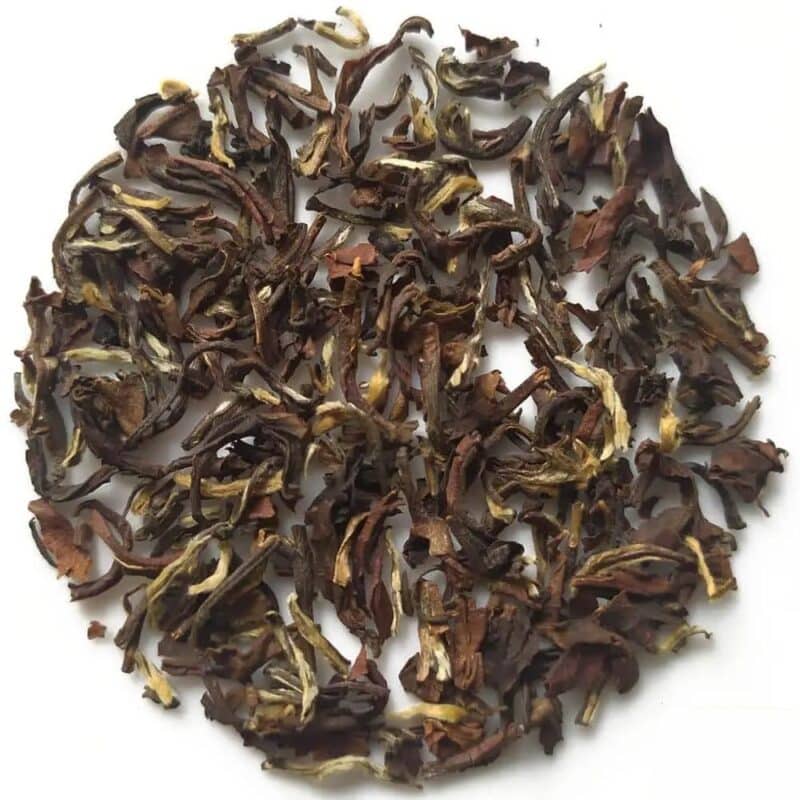
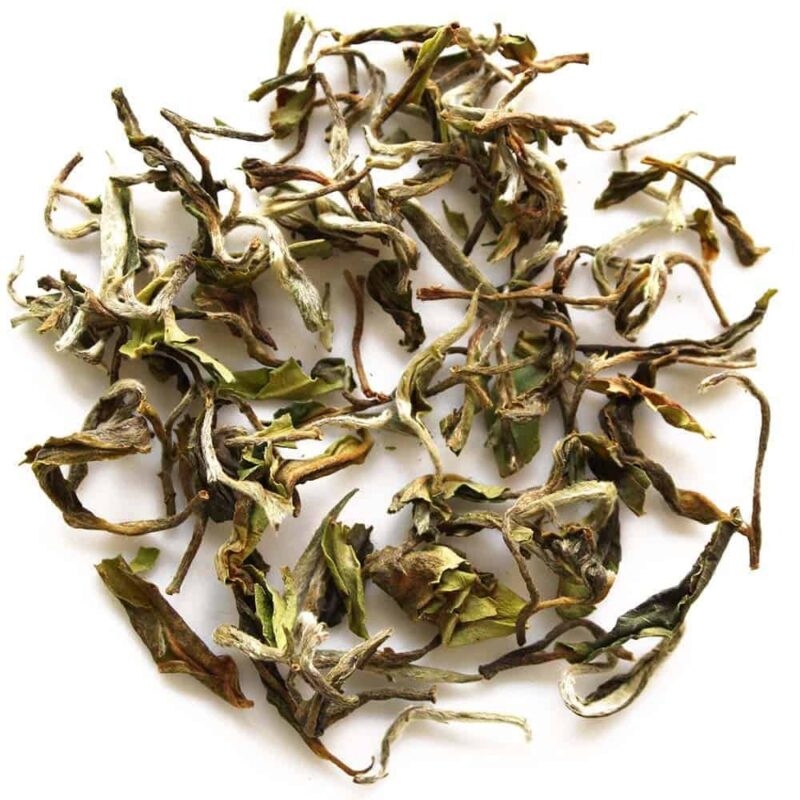
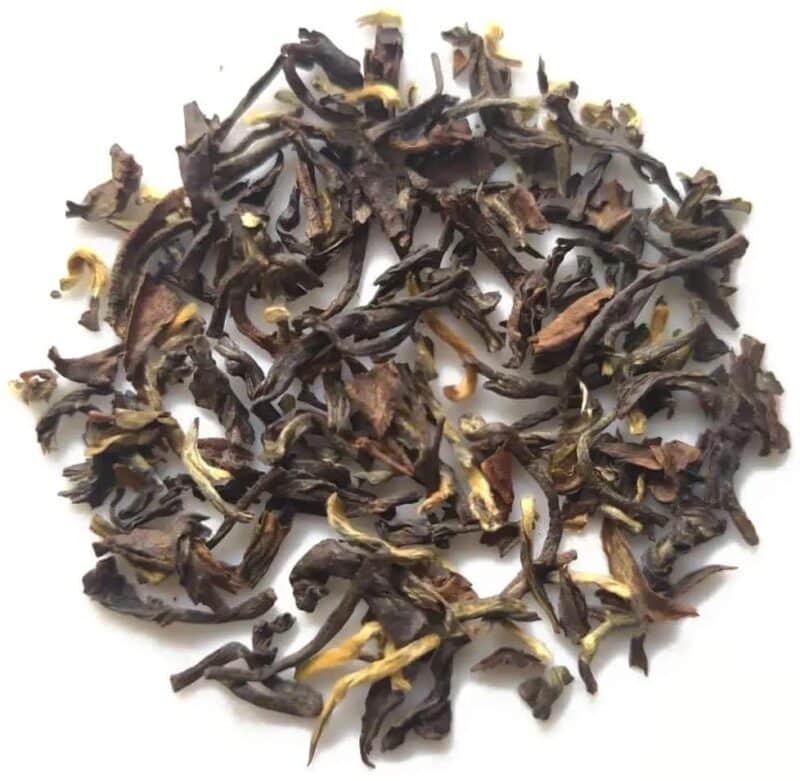
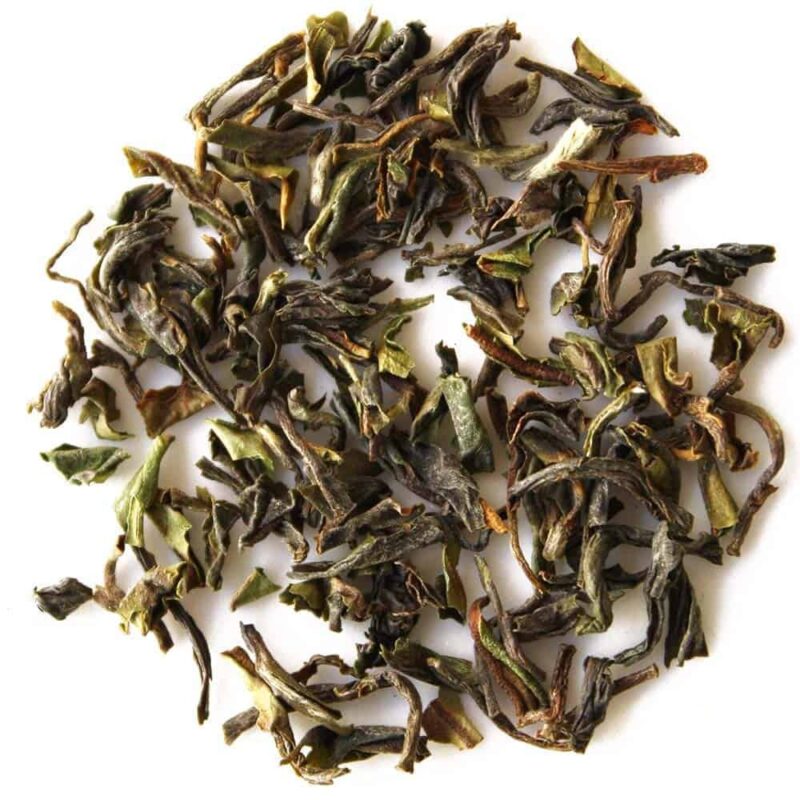
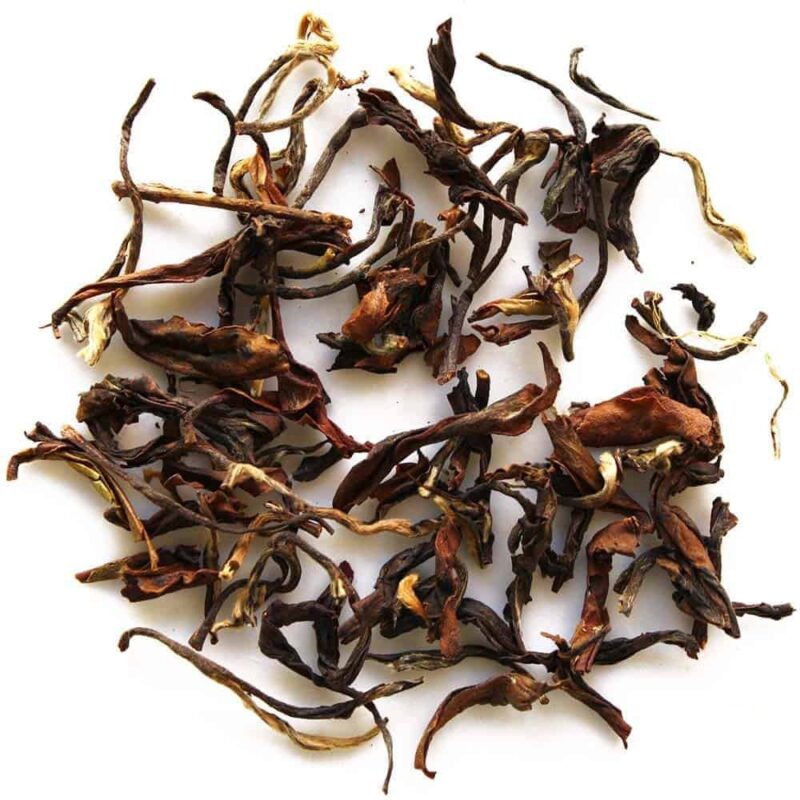
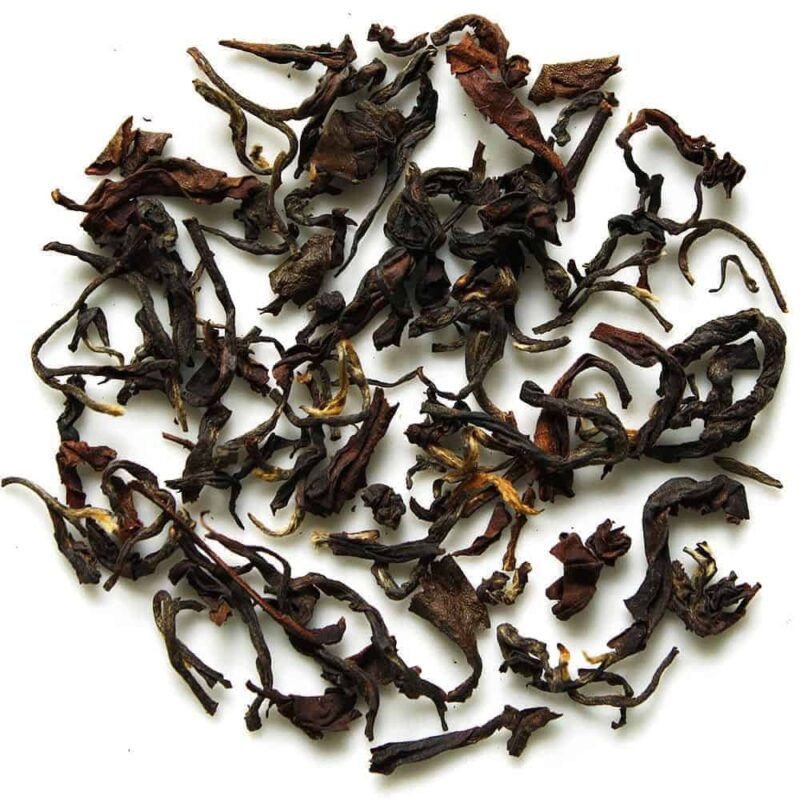
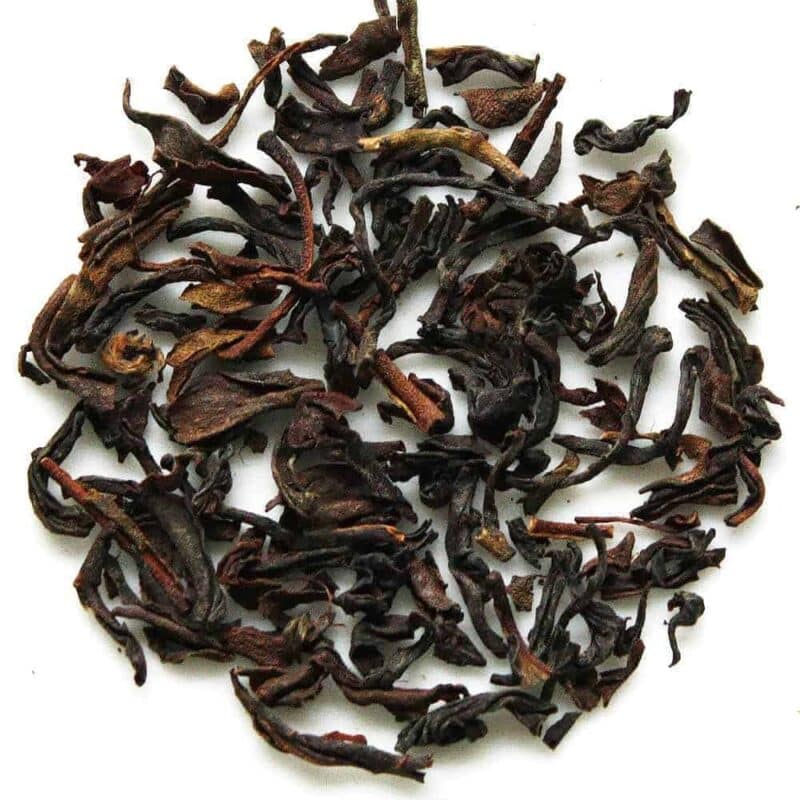
Darjeeling is one of the world’s most famous tea-growing regions. On the slopes of the Himalayas, teas are produced that can range from light, floral and fresh to fuller-bodied and with more muscatel notes, depending on the harvest season. It is precisely this combination of altitude, climate and craftsmanship that has made Darjeeling one of the most highly prized teas in the world. In our range, you’ll find First Flush, Second Flush and Autumn Flush teas from estates such as Samabeong, Singell, Selimbong and Seeyok. Together, they offer a glimpse of the diversity found within Darjeeling and explain why the region continues to fascinate tea lovers around the world.
We are currently on holiday, so it will not be possible to place orders over the next few days. The next dispatch will be on 29 June. Thank you for your patience, and we apologise for any inconvenience caused.
Darjeeling is situated on the slopes of the Himalayas in north-eastern India, where tea is grown at altitudes often exceeding 1,500 metres. The area was established in the 19th century when Chinese tea bushes were introduced to the region. Over time, a distinct tea tradition developed which today differs markedly from both Chinese tea and Assam, whilst the Chinese origins can still be glimpsed in the teas’ elegance and aromatic complexity.
The cool climate, the significant variations in altitude and the recurring patches of mist contribute to slow growth and the development of complex aromas. At the same time, quality varies considerably between different estates, altitudes and harvests. The most sought-after Darjeeling teas often come from high-altitude parts of the region, where cooler temperatures and slower growth can result in greater aromatic complexity. Equally important is the selection of specific micro-plots and a careful assessment of each harvest.
To make this possible, we work directly with selected farms in the region. This gives us access to smaller micro-lots and the opportunity to select the harvests that best represent each farm, season and style.
First Flush, Second Flush and Autumn Flush
Darjeeling is unusual in that the time of harvest has a significant impact on its flavour profile. The first harvests of the spring, known as the First Flush, often produce light and lively teas with floral aromas, freshness and a distinct elegance. Teas such as Singell Heritage FF and Seeyok First Flush Wonder are typical examples of this style.
In early summer, the famous Second Flush teas develop, often displaying greater body and the fruity muscatel notes that have made Darjeeling famous throughout the world. Examples of this style include Darjeeling Samabeong Muscatel and Darjeeling Singell Tippy Musk. The Autumn Flush, in turn, produces softer, rounder teas with more body and less pronounced freshness.
The unique character of Muscatel and Darjeeling
Few teas have developed such a distinct identity as Darjeeling. Particularly prized is the so-called ‘muscatel’ character, an aroma profile reminiscent of ripe grapes, stone fruit, honey and dried fruit. The combination of altitude, climate, cultivars and craftsmanship makes this character difficult to replicate outside the region.
At the same time, there is considerable variation between different estates and harvests. Teas that Darjeeling Samabeong Rare Wonder, Single Magical Spring and Selimbong Autumn Dreams shows how Darjeeling can take on different characteristics depending on its origin and the season. It is precisely this combination of elegance, terroir and variety that has made Darjeeling one of the world’s most highly regarded tea origins.