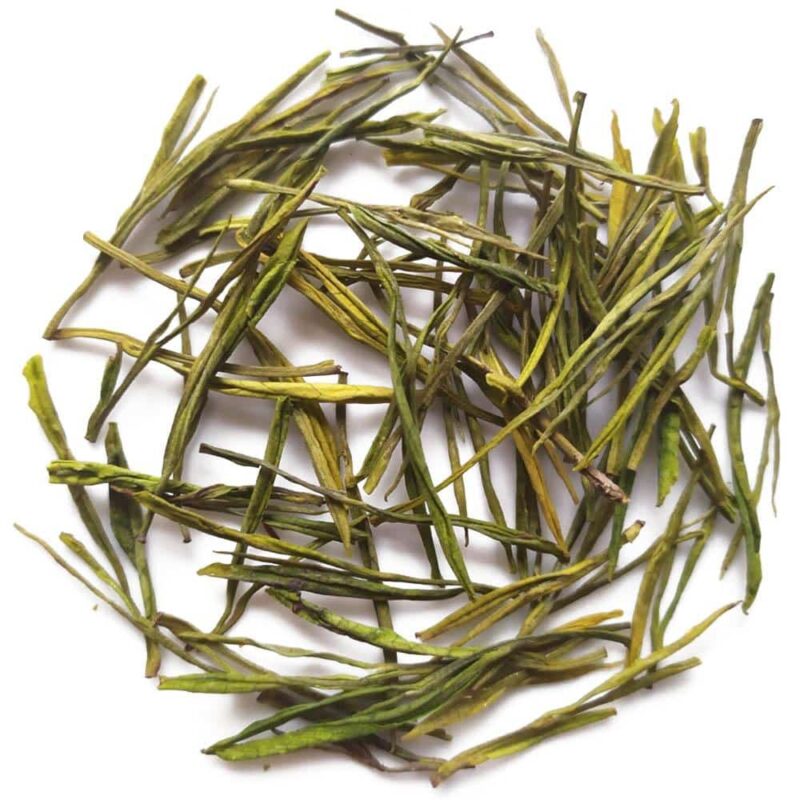
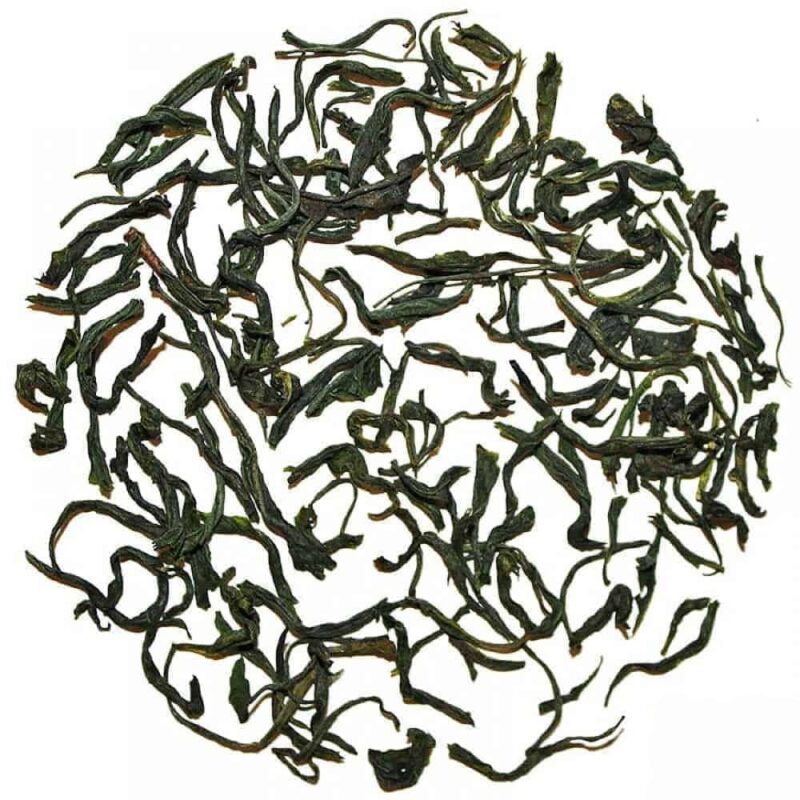
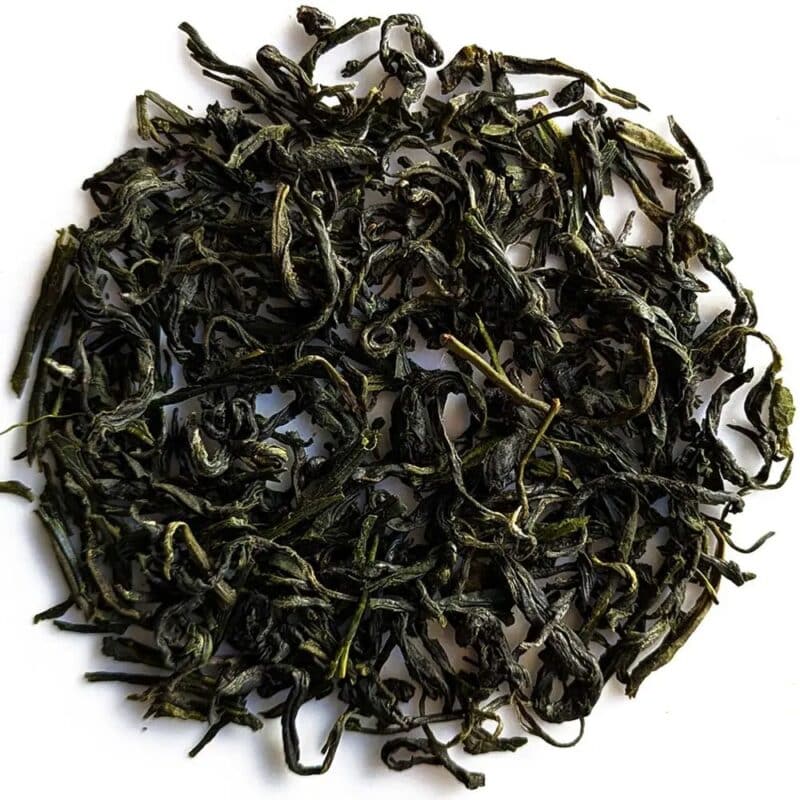
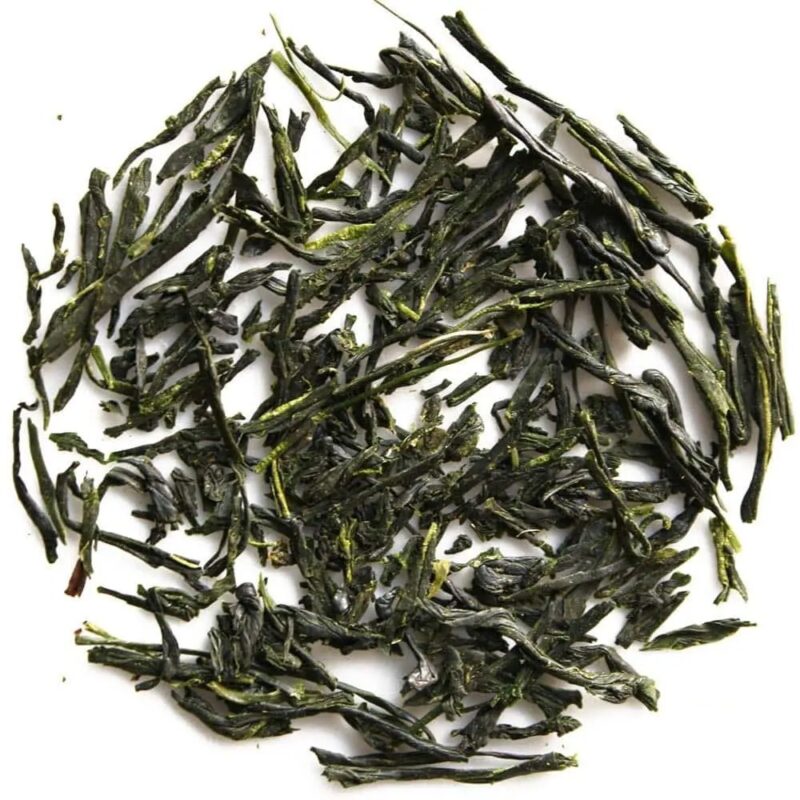
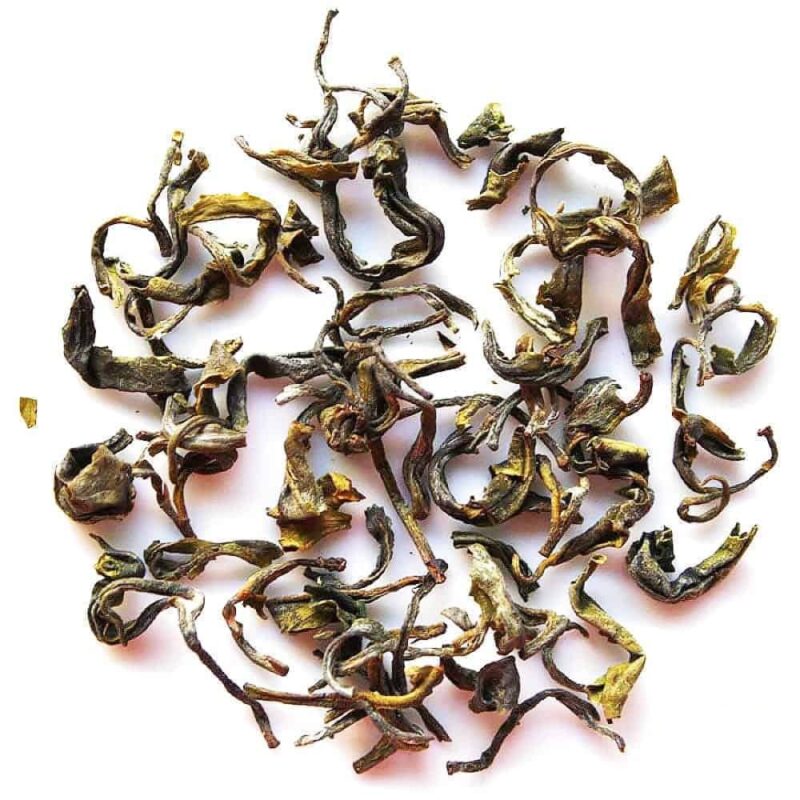
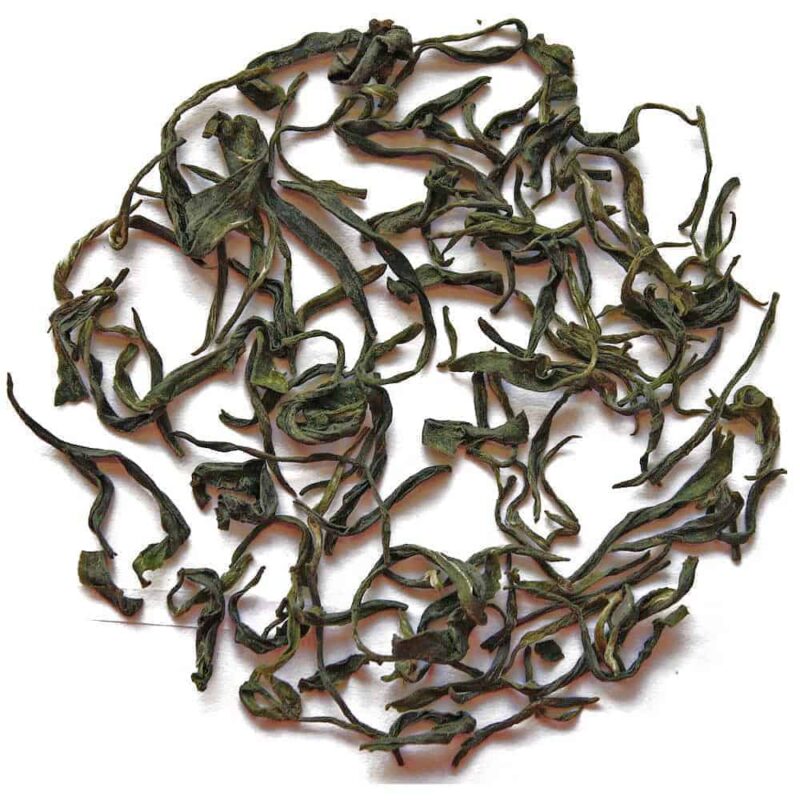
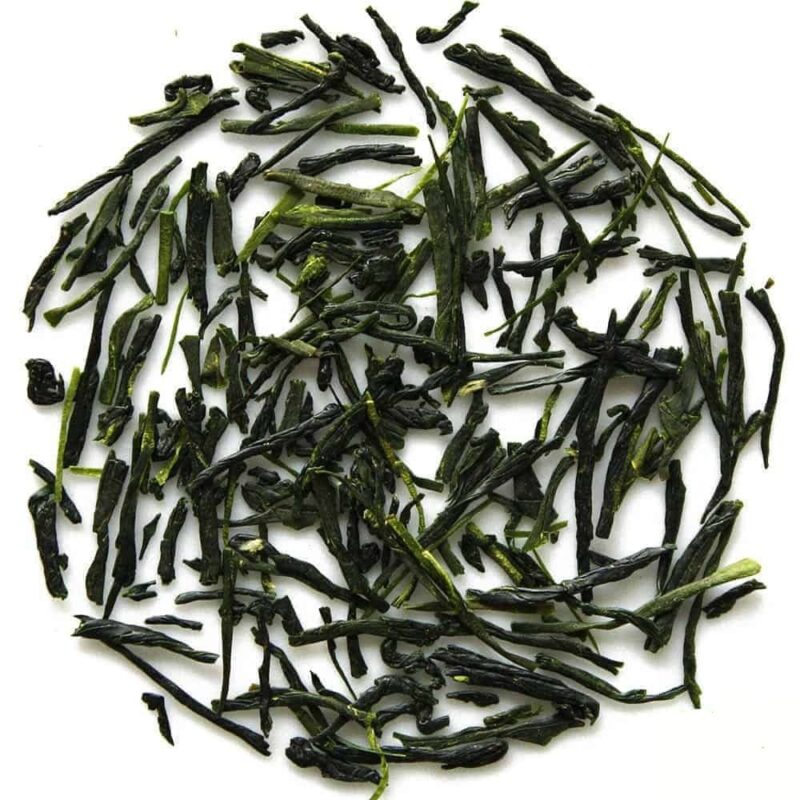
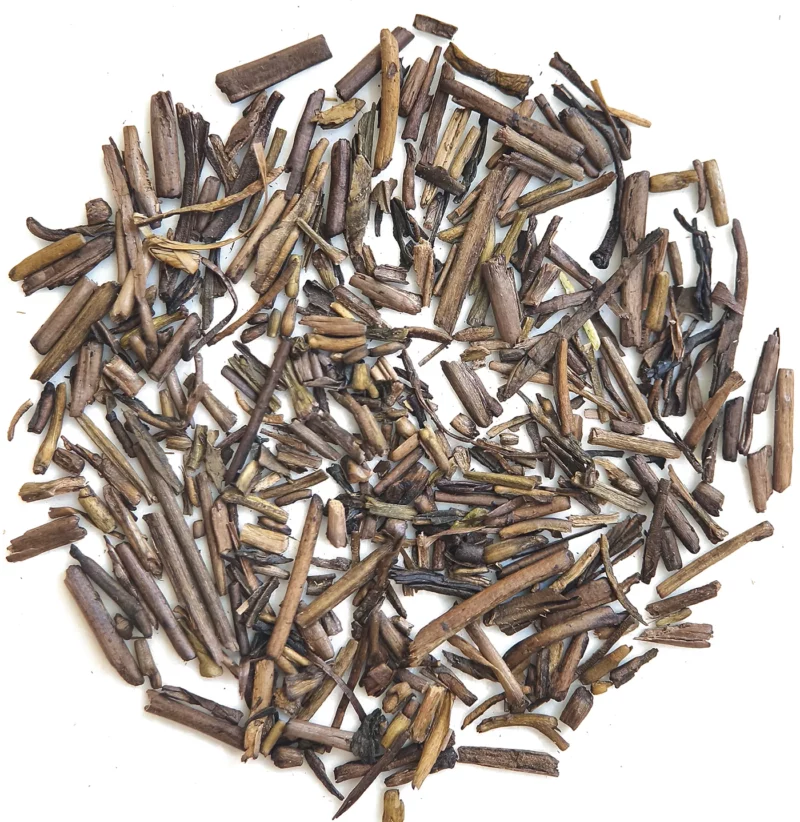
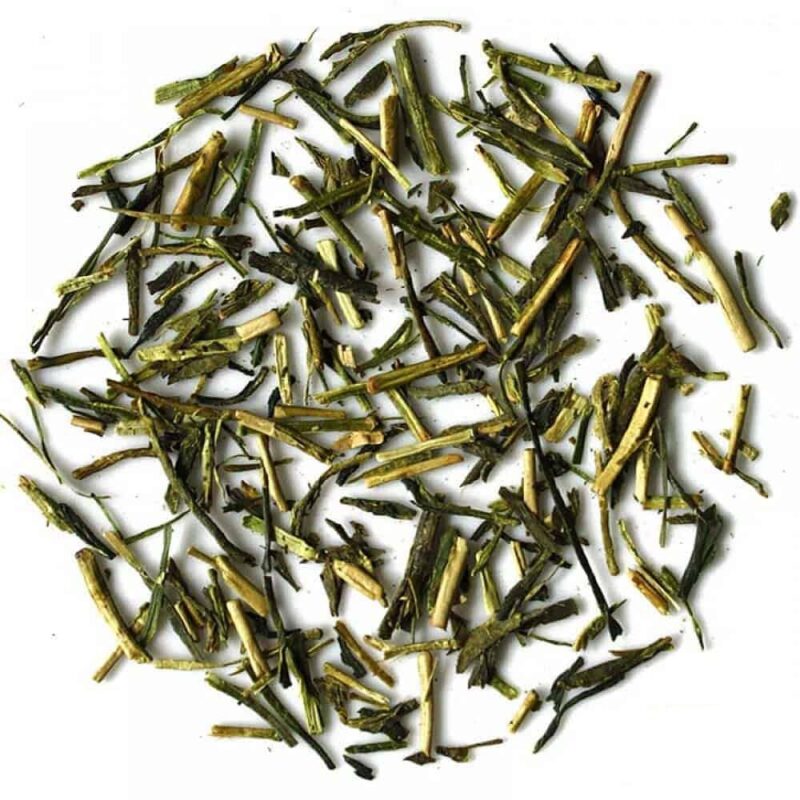
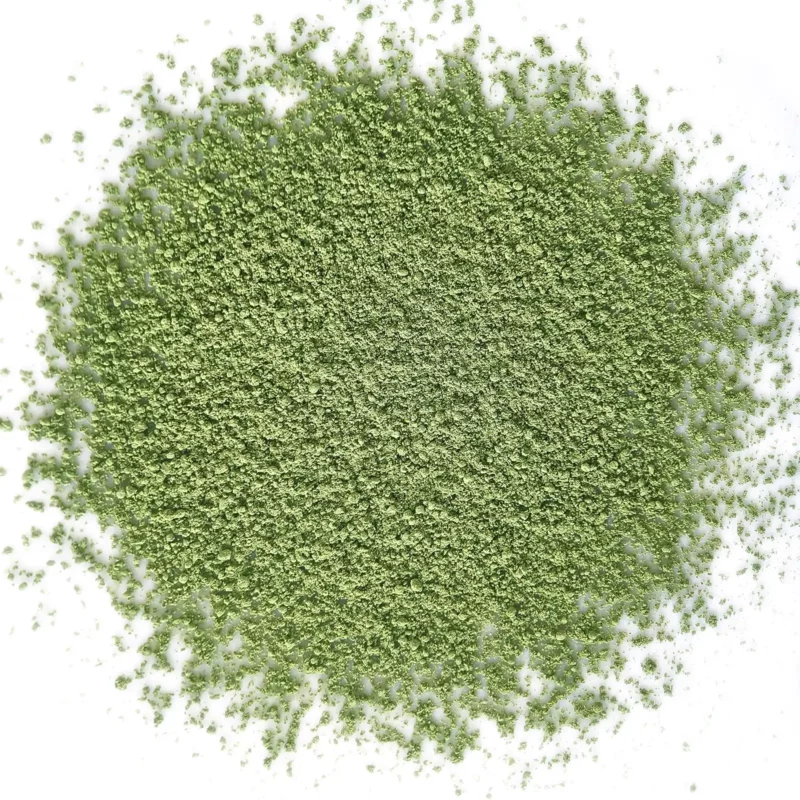
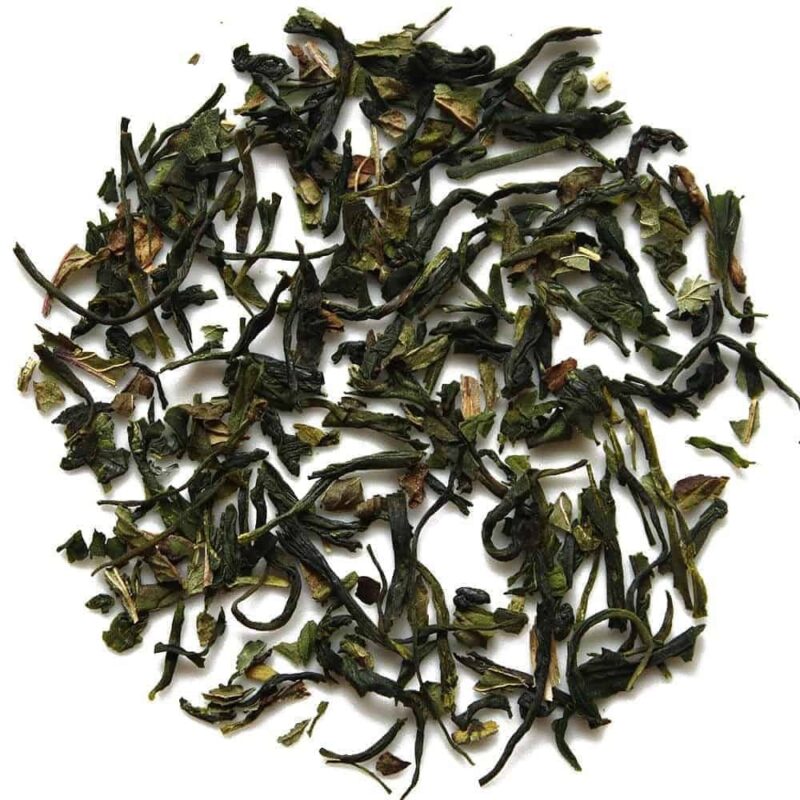
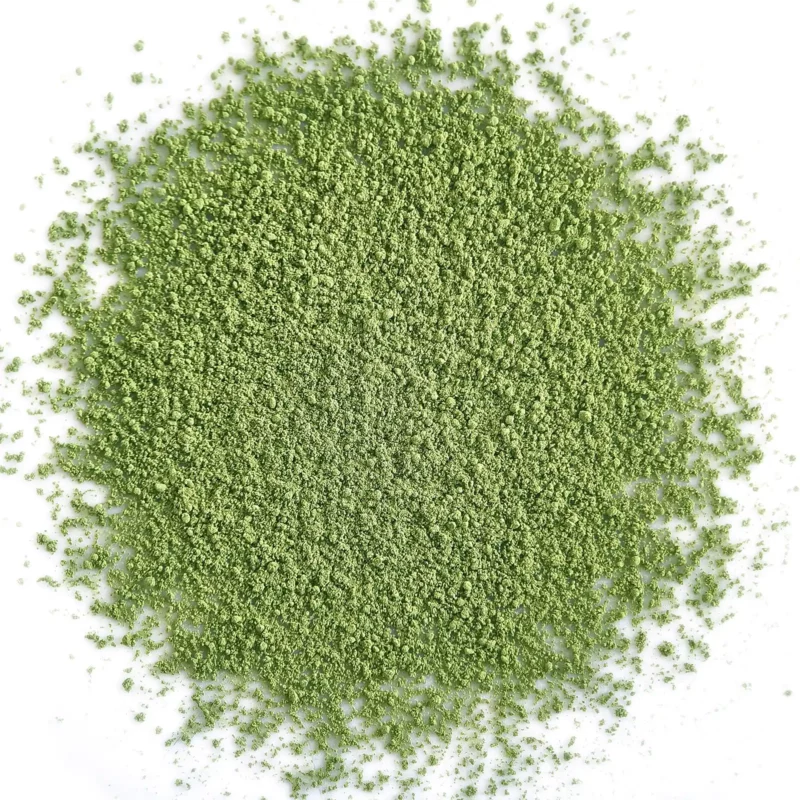
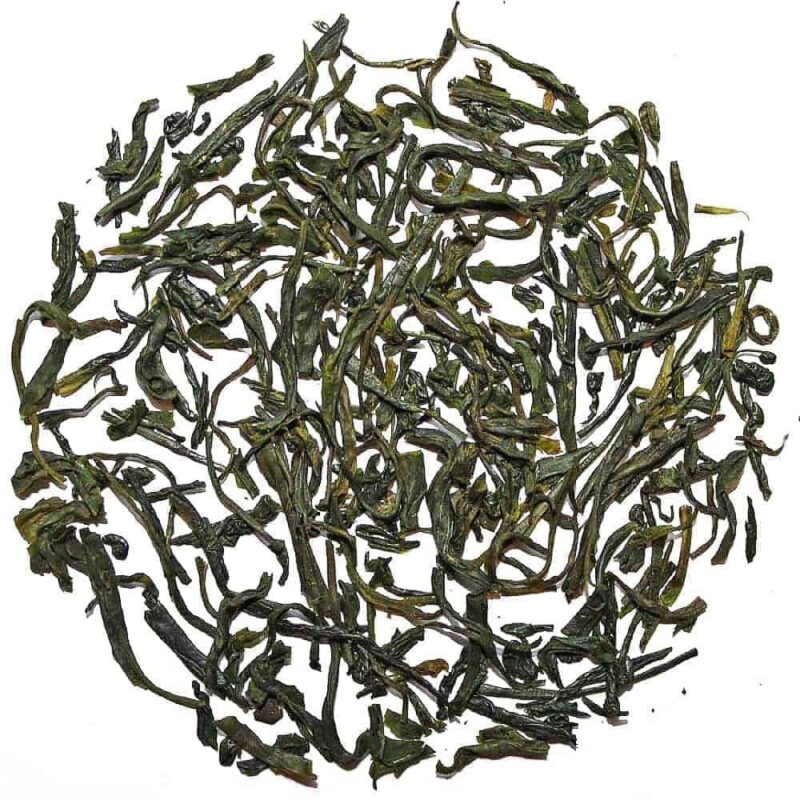
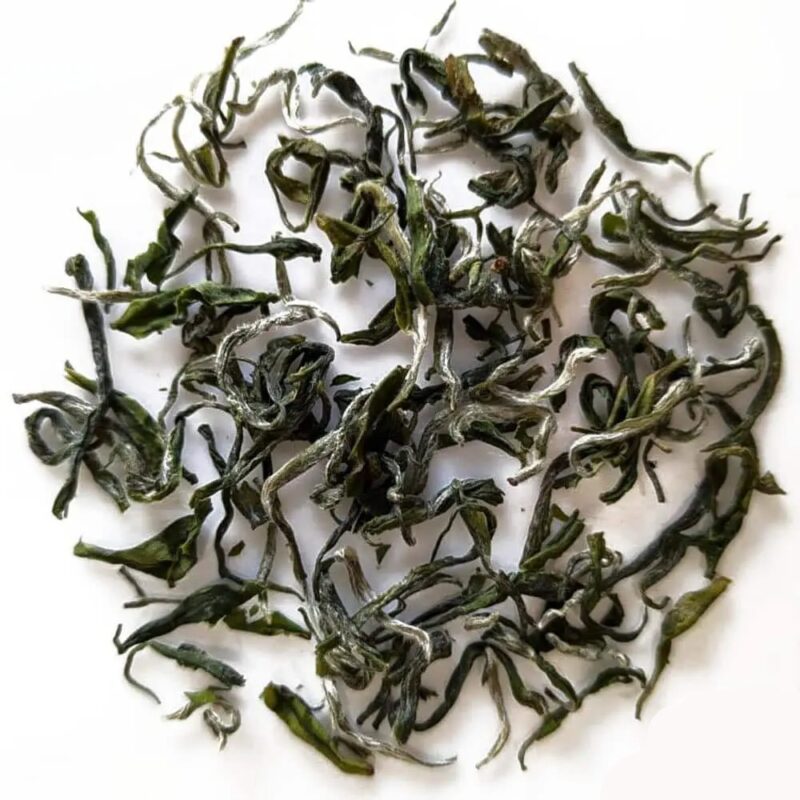
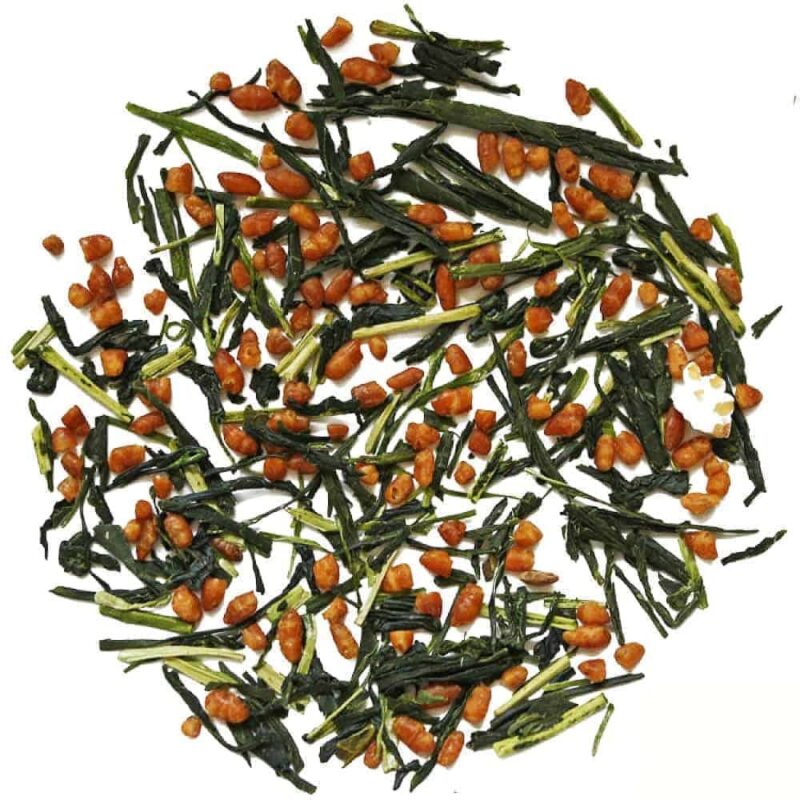
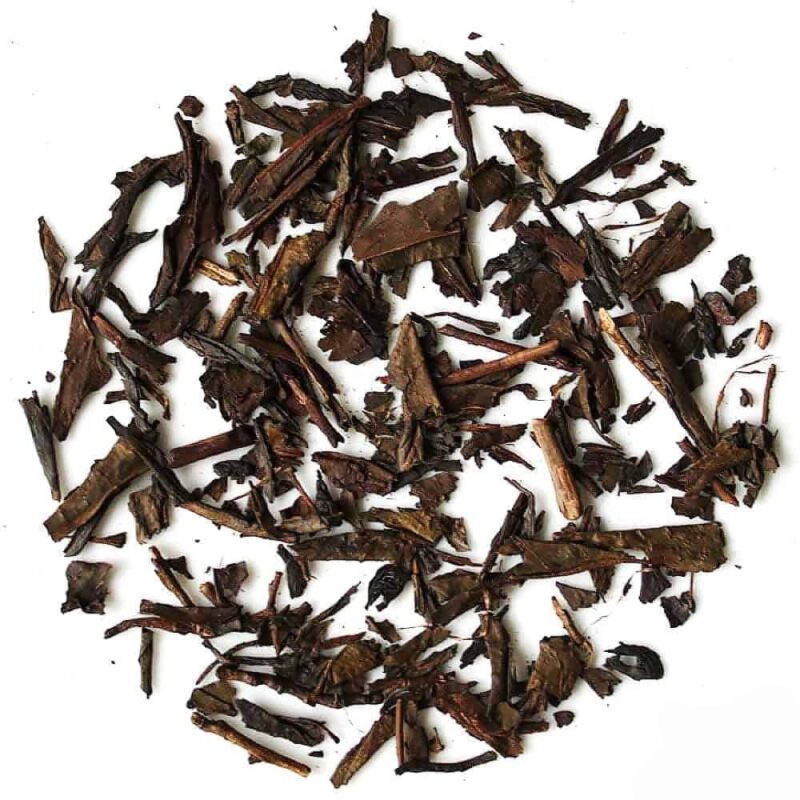
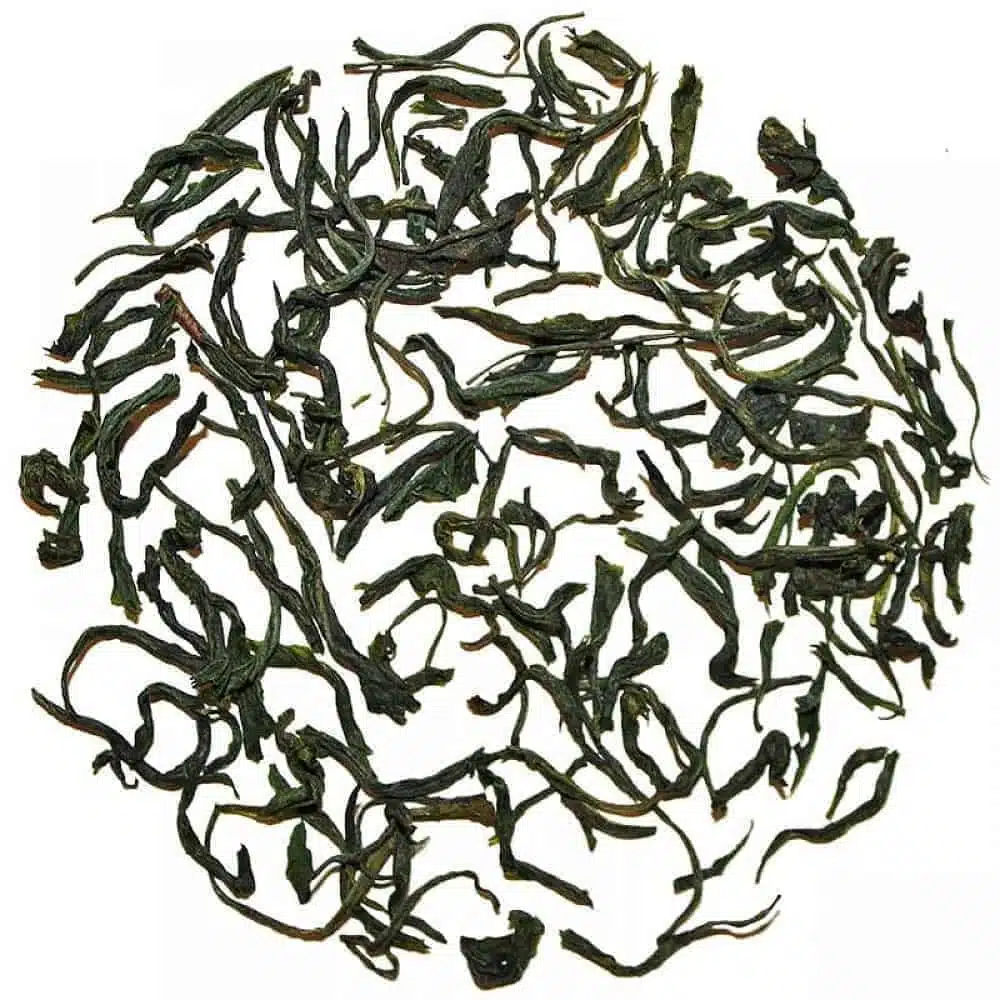
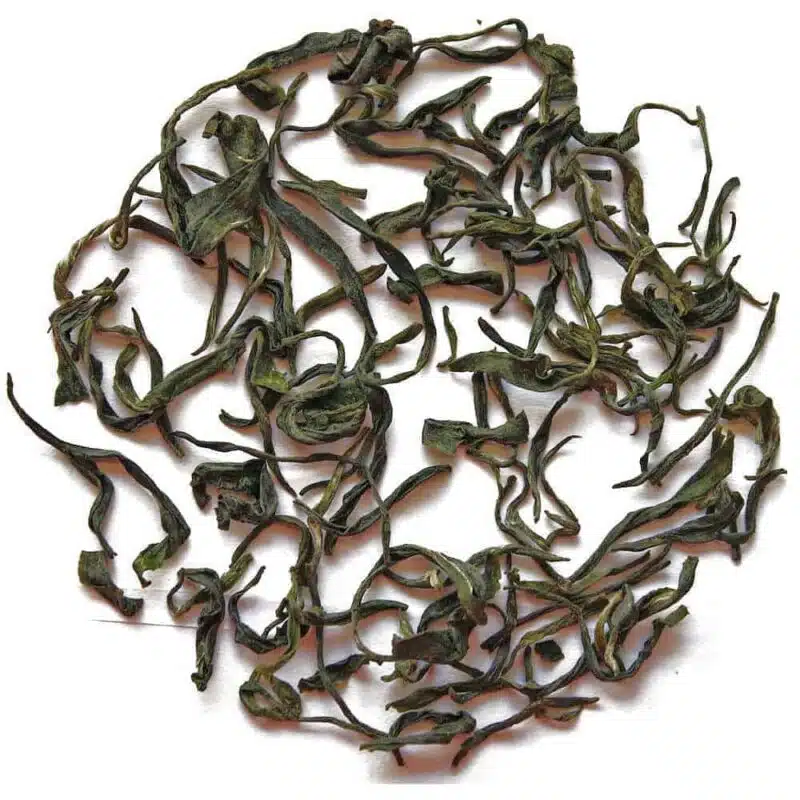
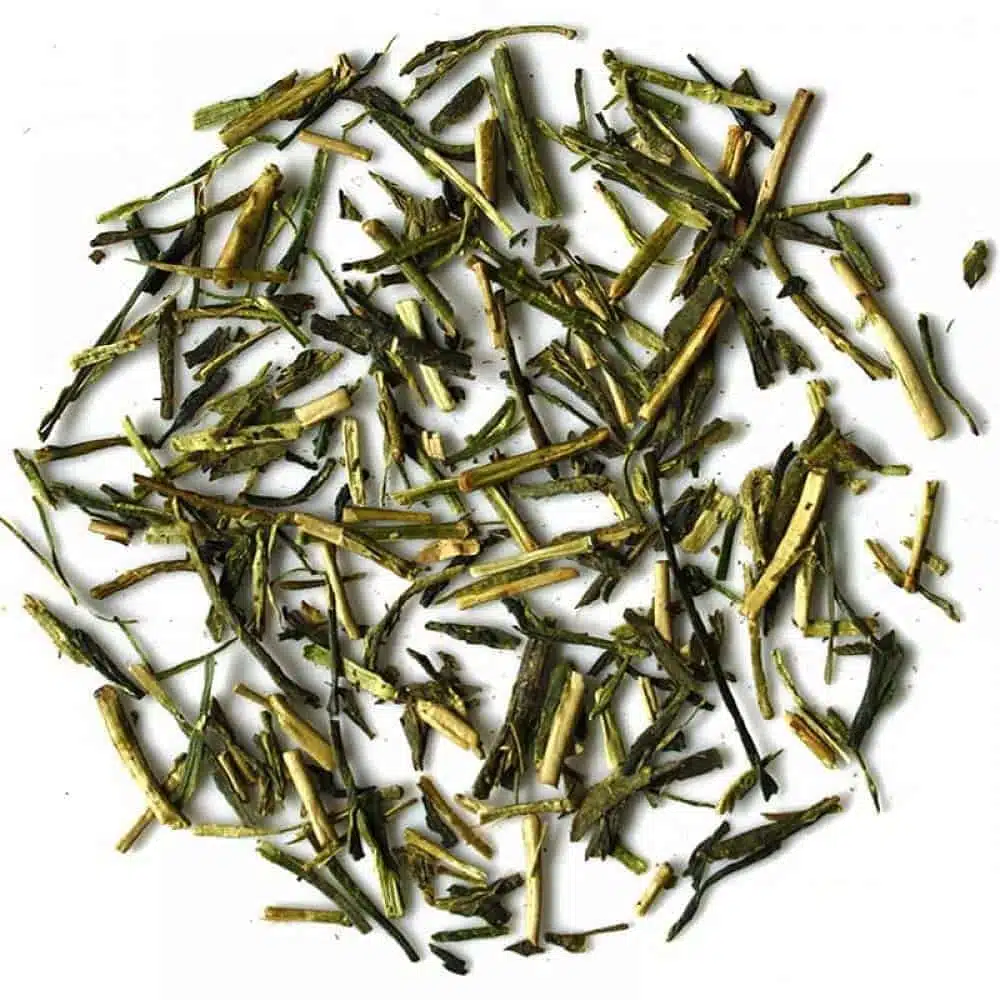
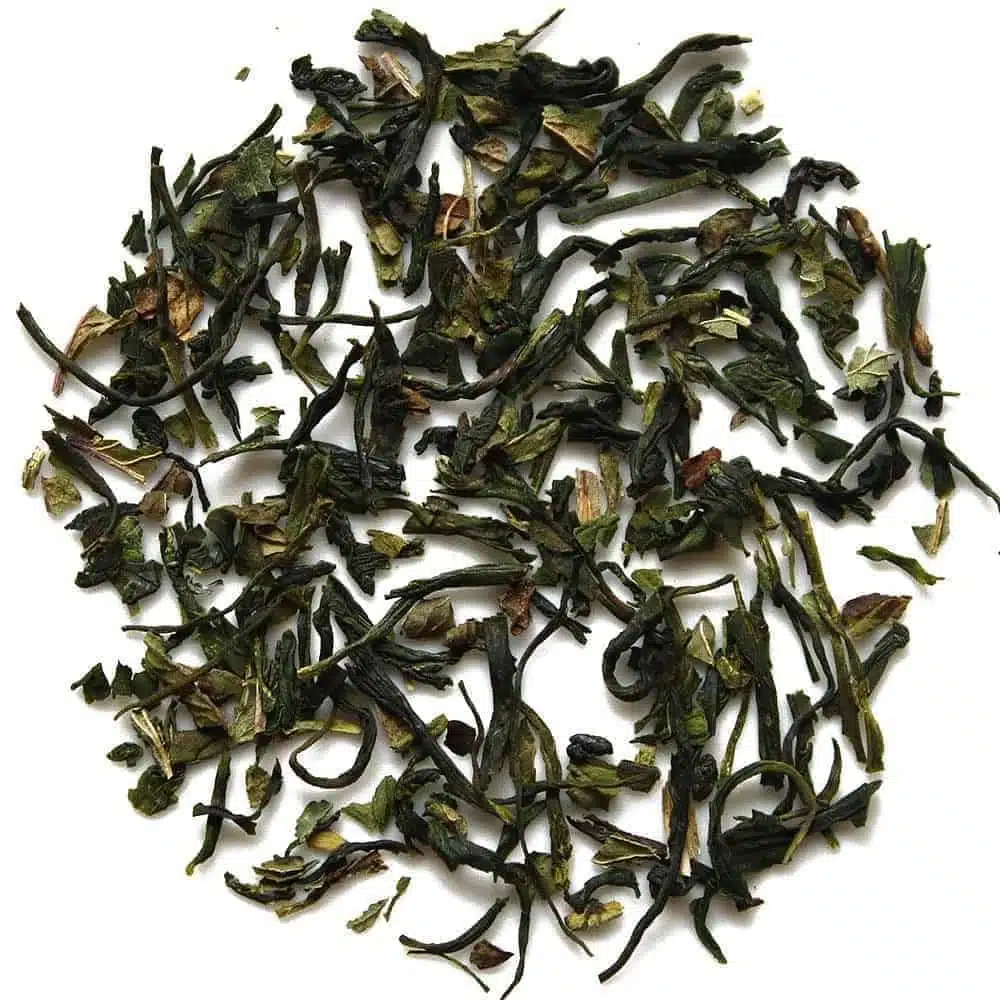
Green tea is prized for its freshness, aroma and ability to reflect its origin. From Japan Matcha no Midori and Kabusecha Yabukita including Chinese classics such as Anji Bai Cha and Long Jing Green tea offers a unique combination of freshness, aroma and regional character. Here you will find carefully selected green teas from China, Japan, Nepal and South Korea.
We are currently on holiday, so it will not be possible to place orders over the next few days. The next dispatch will be on 29 June. Thank you for your patience, and we apologise for any inconvenience caused.
Green tea is made from tea leaves that are not allowed to oxidise after harvesting. The result is a fresh and lively character, where the tea’s origin, cultivar and production method have a significant impact on the flavour in the cup. The flavour can vary from light and floral to full-bodied and umami, depending on where the tea was grown and how it was processed.
Chinese green teas often display notes of flowers, chestnut, minerality and fresh greenery. Japanese green teas, on the other hand, are often characterised by greater body, umami and vegetal notes. Together, they demonstrate the vast diversity that has made green tea one of the world’s most appreciated tea categories.
Origin and nature
Chinese tea is the birthplace of green tea and is home to some of the world’s most classic varieties. Our range includes, amongst others, Anji Bai Cha, Tian Mu Qing Ding and Cloud and Mist.
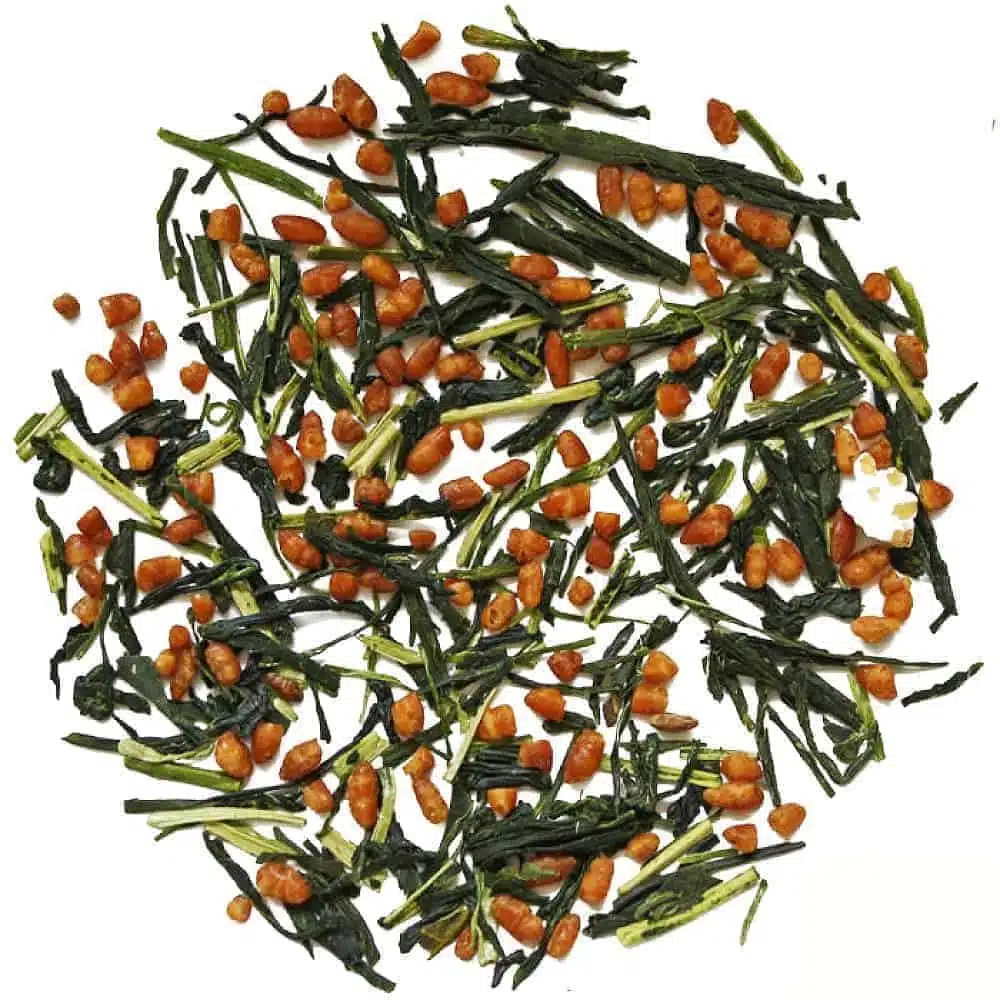
Japanese tea has developed its own tradition, in which the leaves are usually steamed shortly after harvesting. Our range of Japanese teas includes Sencha, Kabusecha, Genmaicha, Kukicha, Hojicha and Matcha.
Tea from Nepal often offers a combination of aromatic notes, freshness and elegance from the high-altitude vineyards of the Himalayas, whilst tea from South Korea is appreciated for its pure and well-balanced character.
Brewing green tea
Green tea is usually brewed with slightly cooler water than black tea and oolong. Most green teas develop best at 70–80°C, although some Japanese teas can be brewed at even lower temperatures. Using cooler water brings out the sweetness, aroma and balance, whilst keeping any bitterness in check.