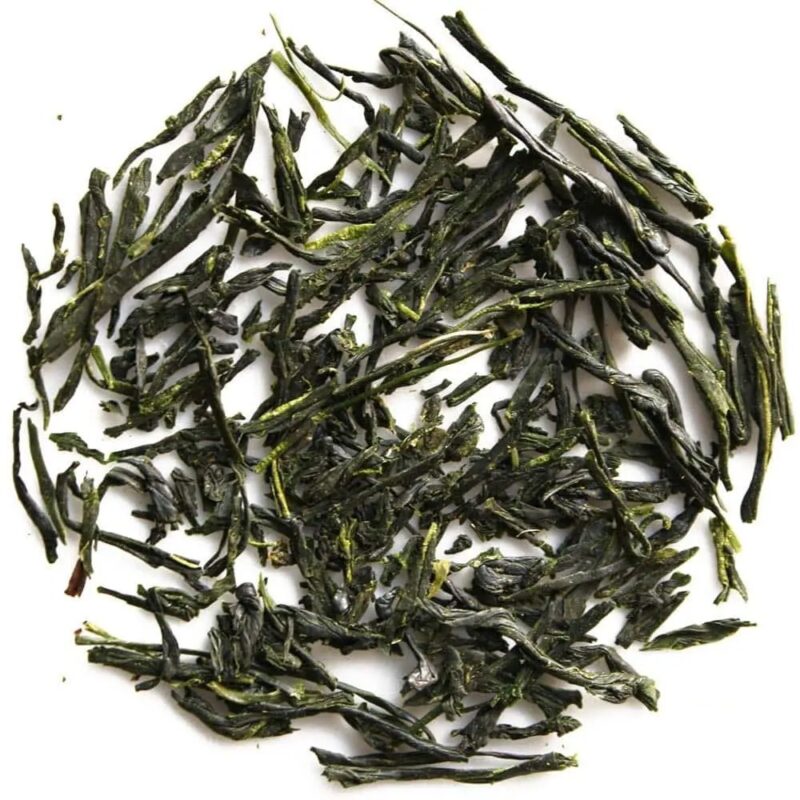
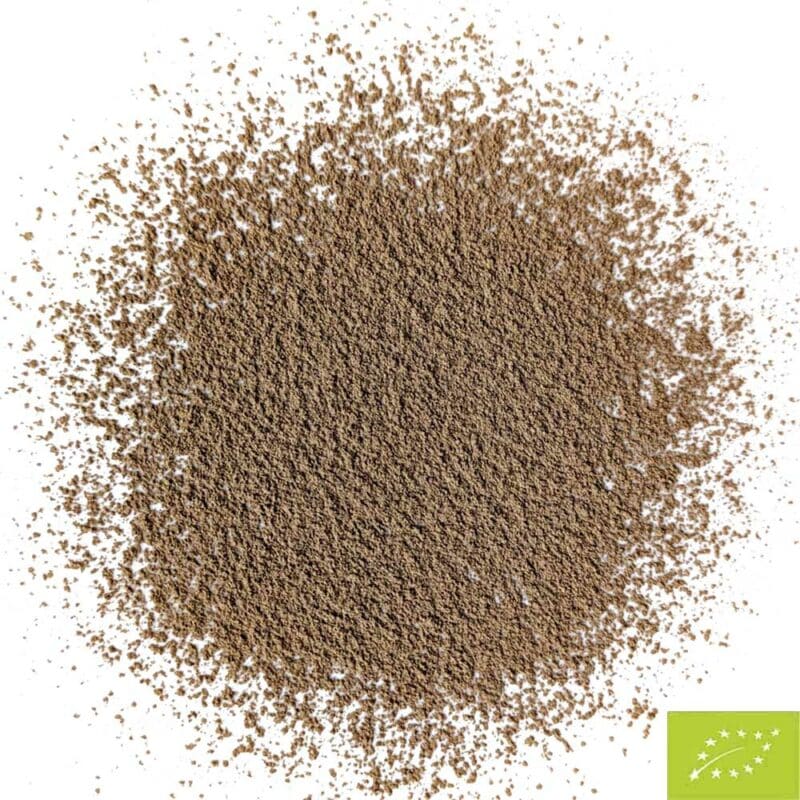
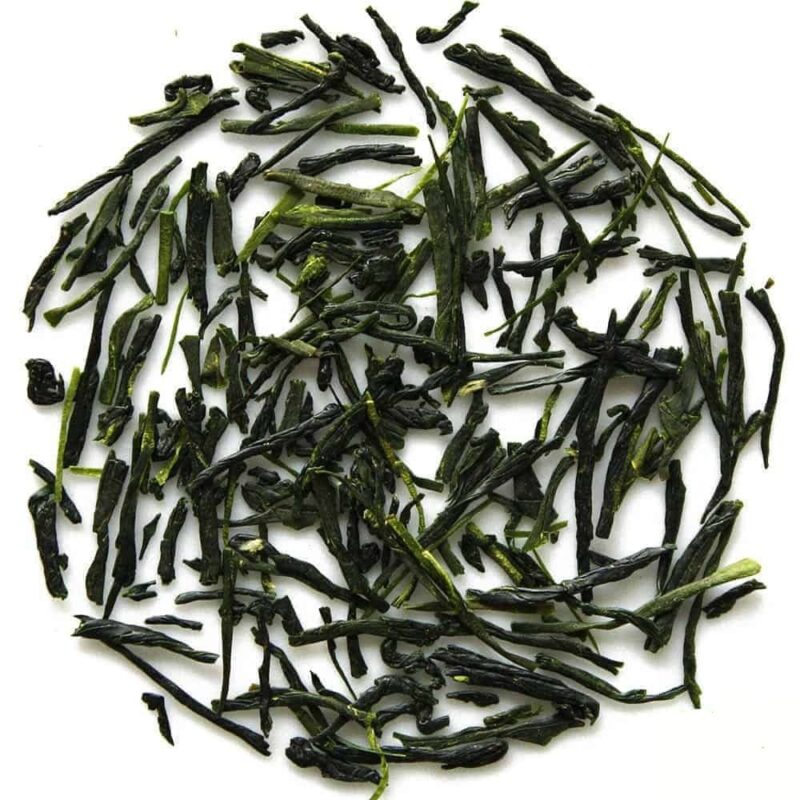
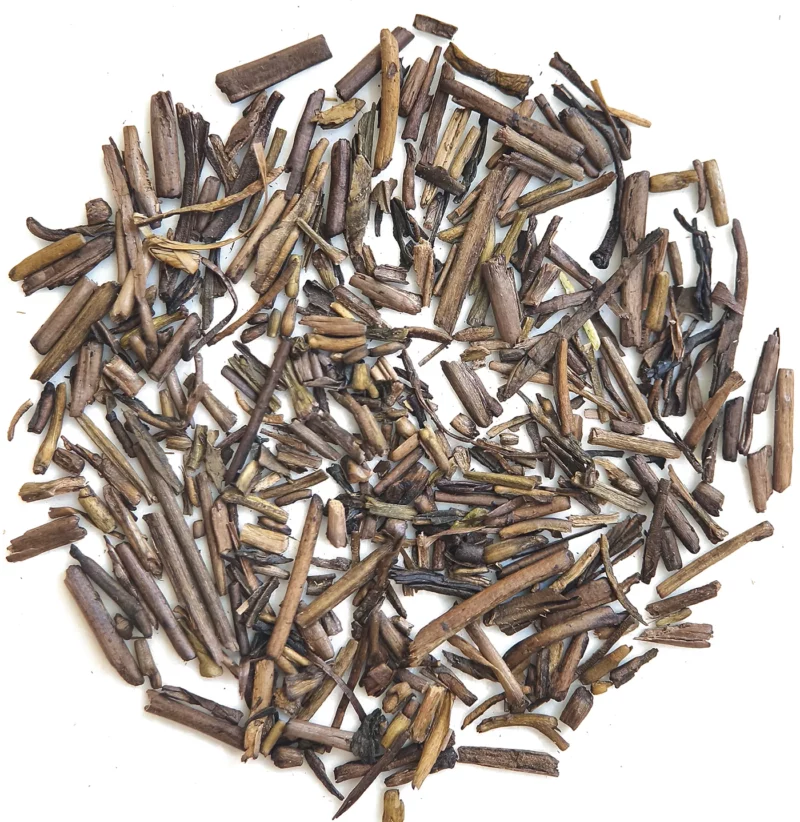
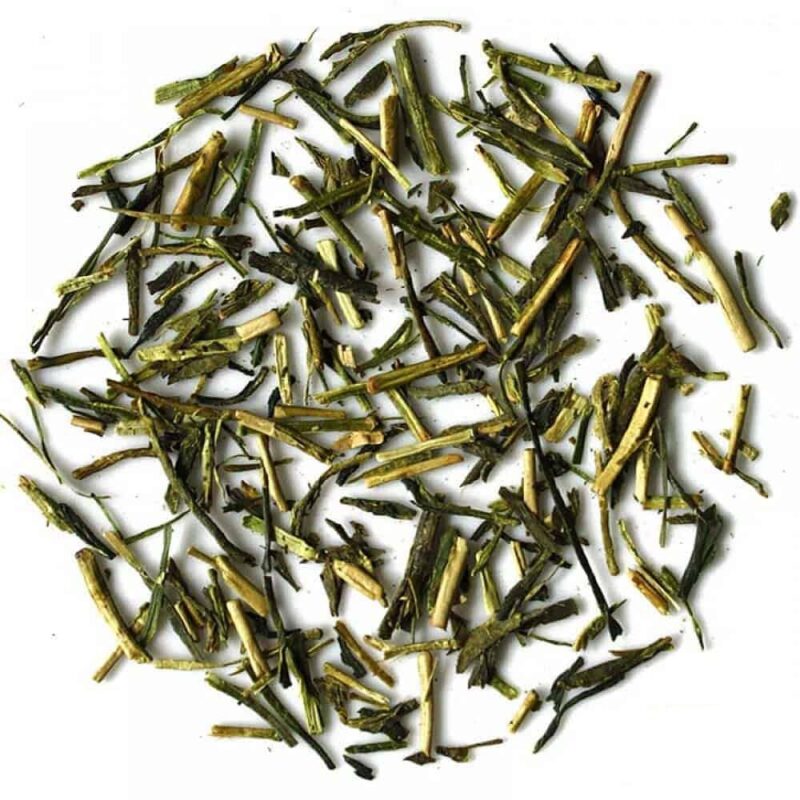
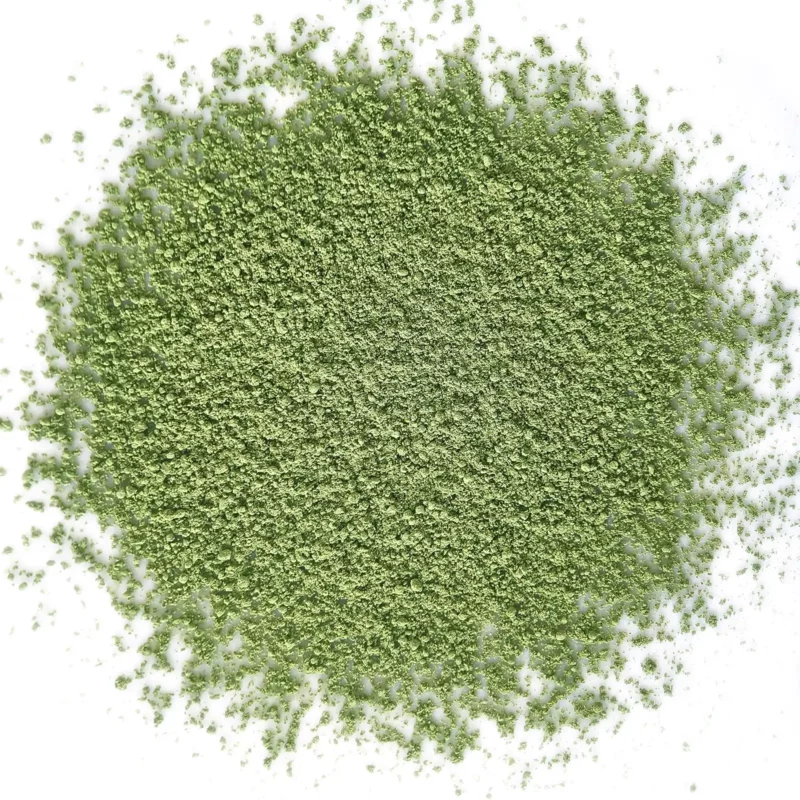
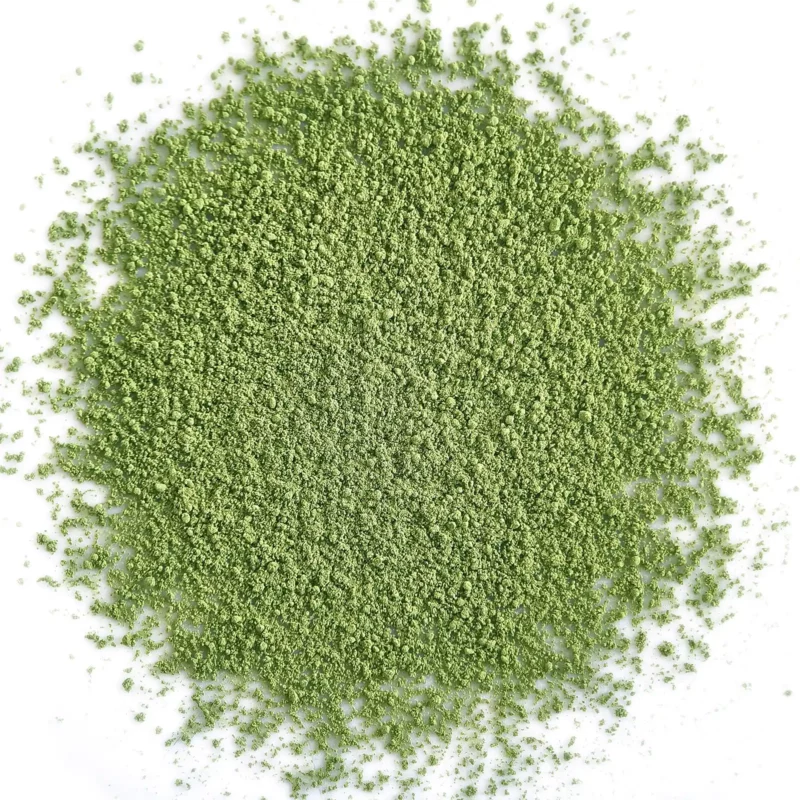
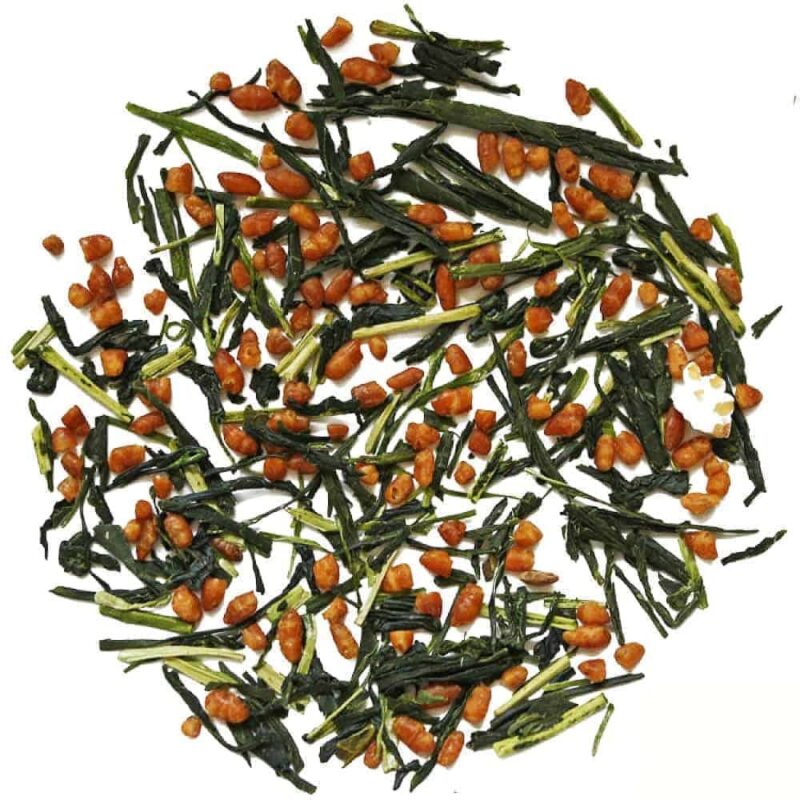
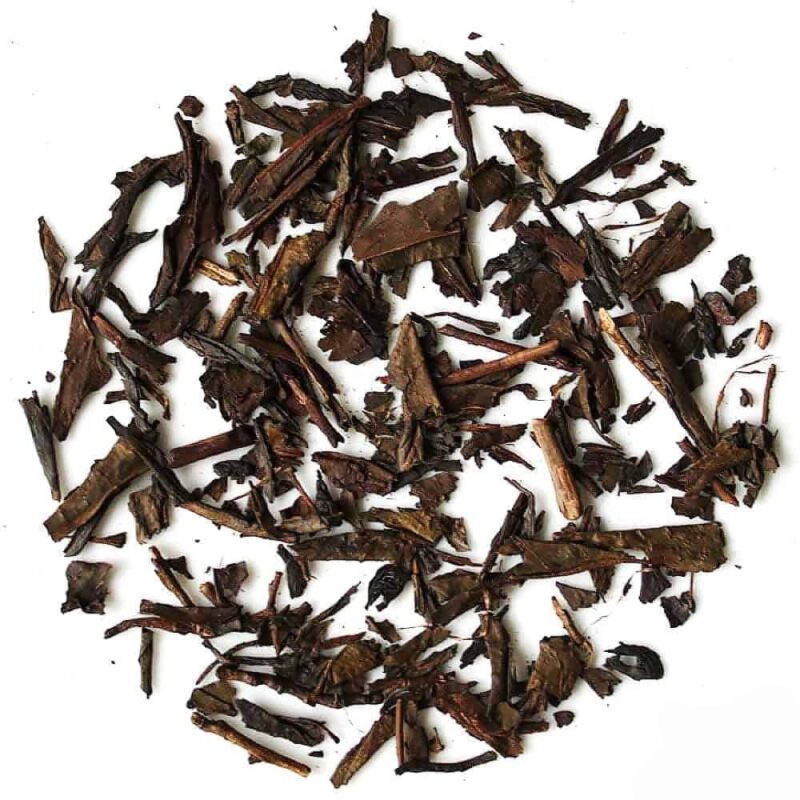
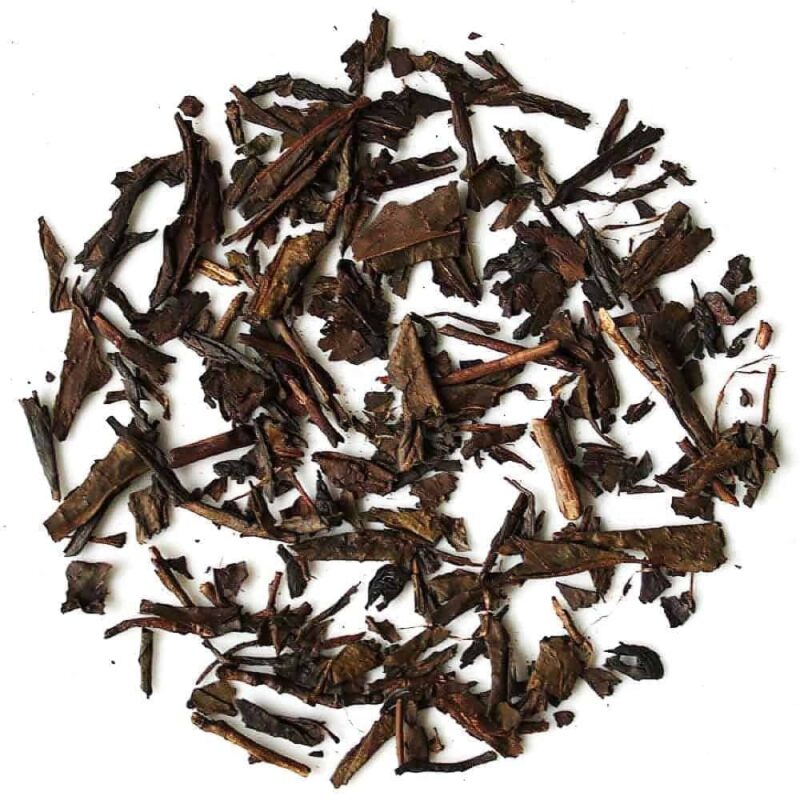
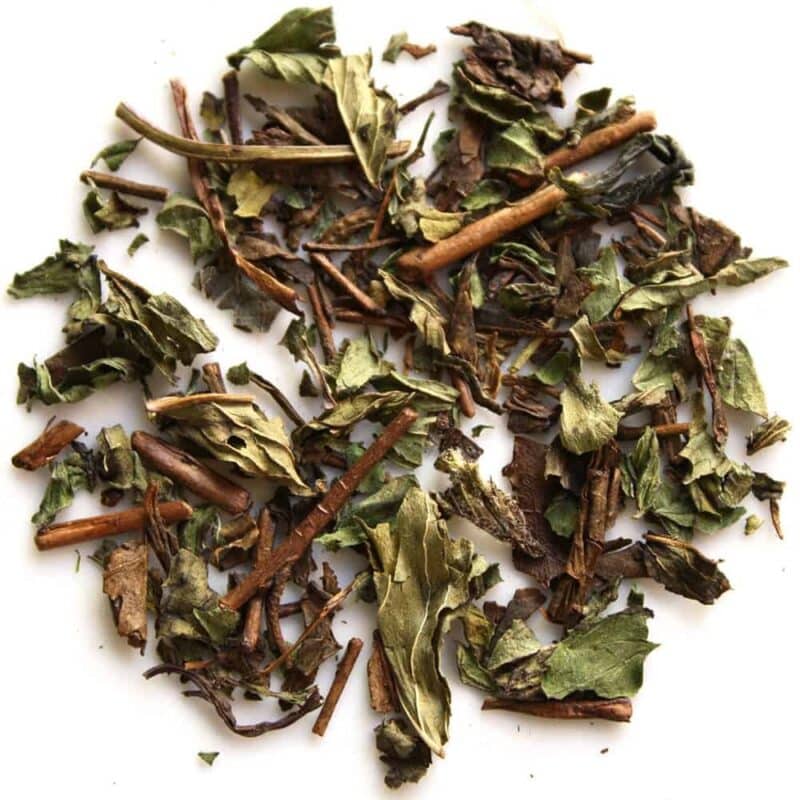
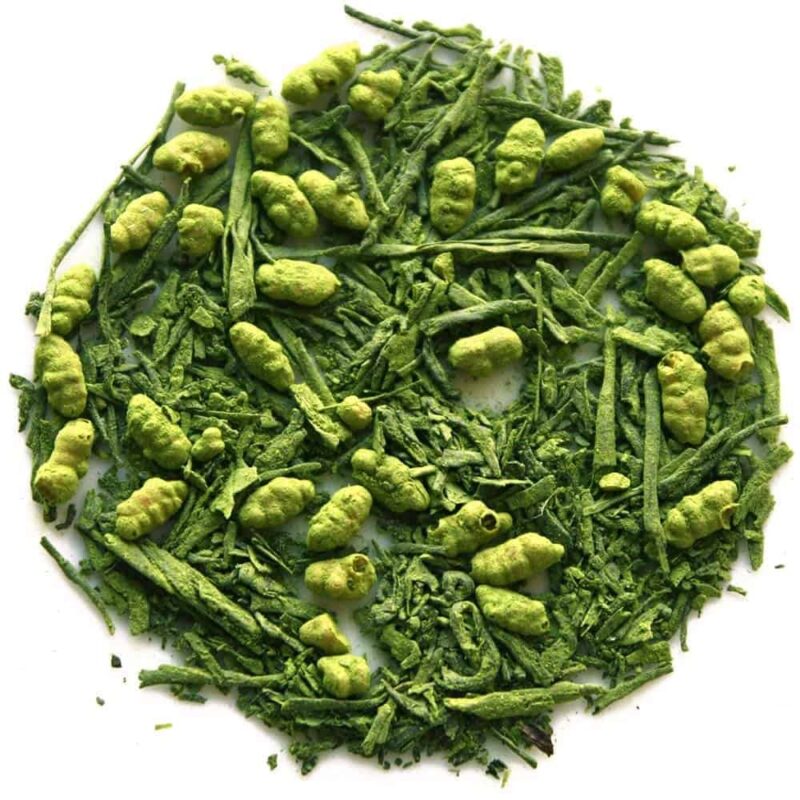
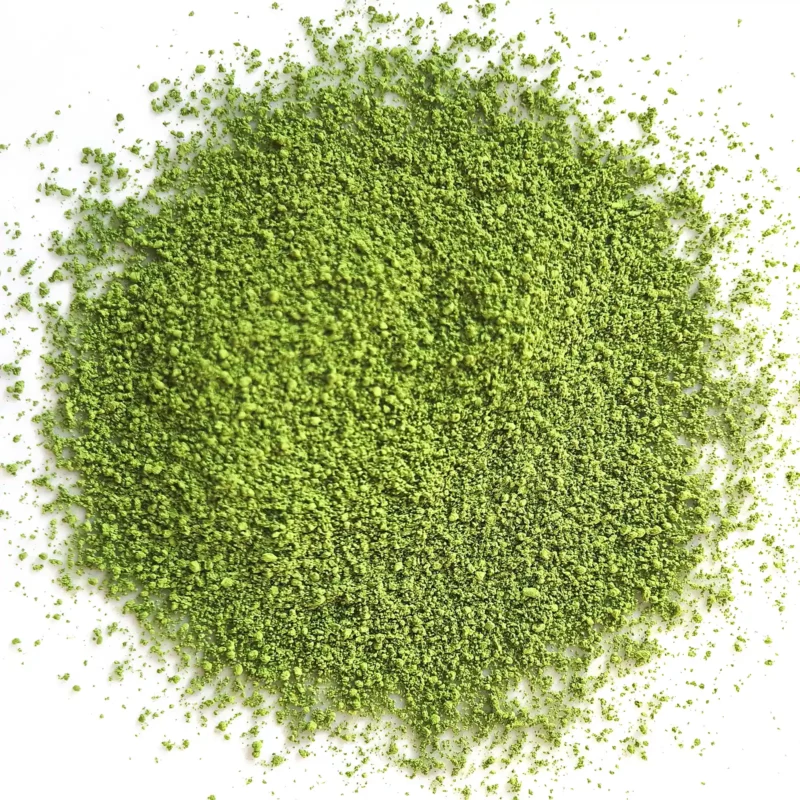
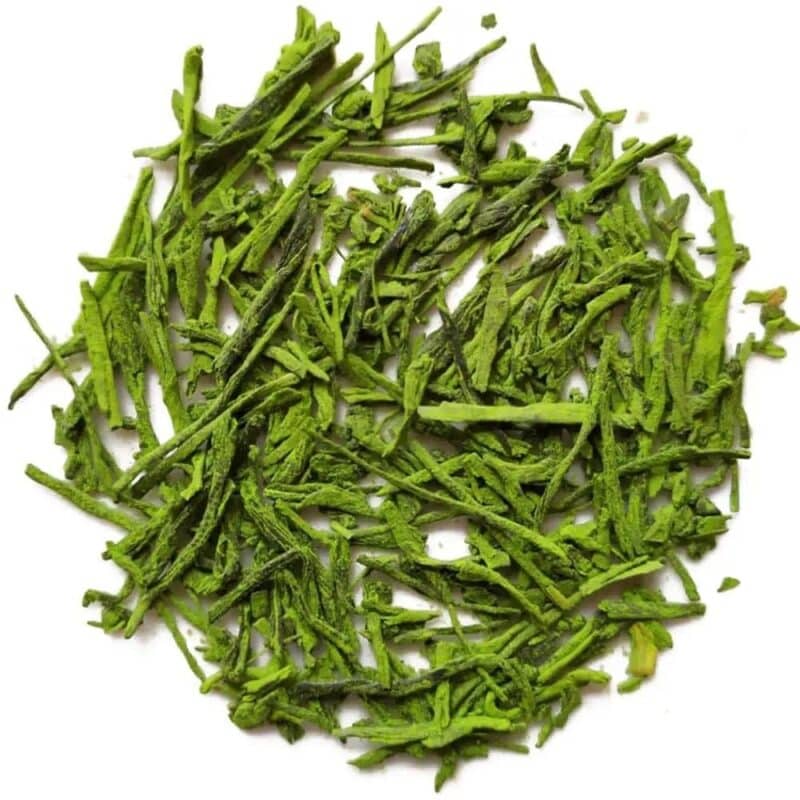
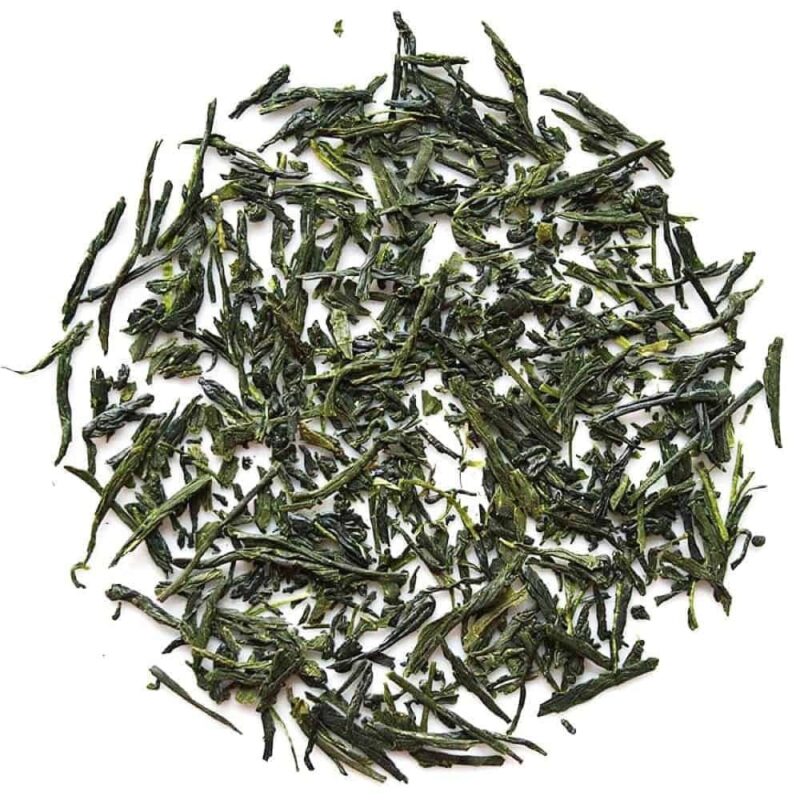
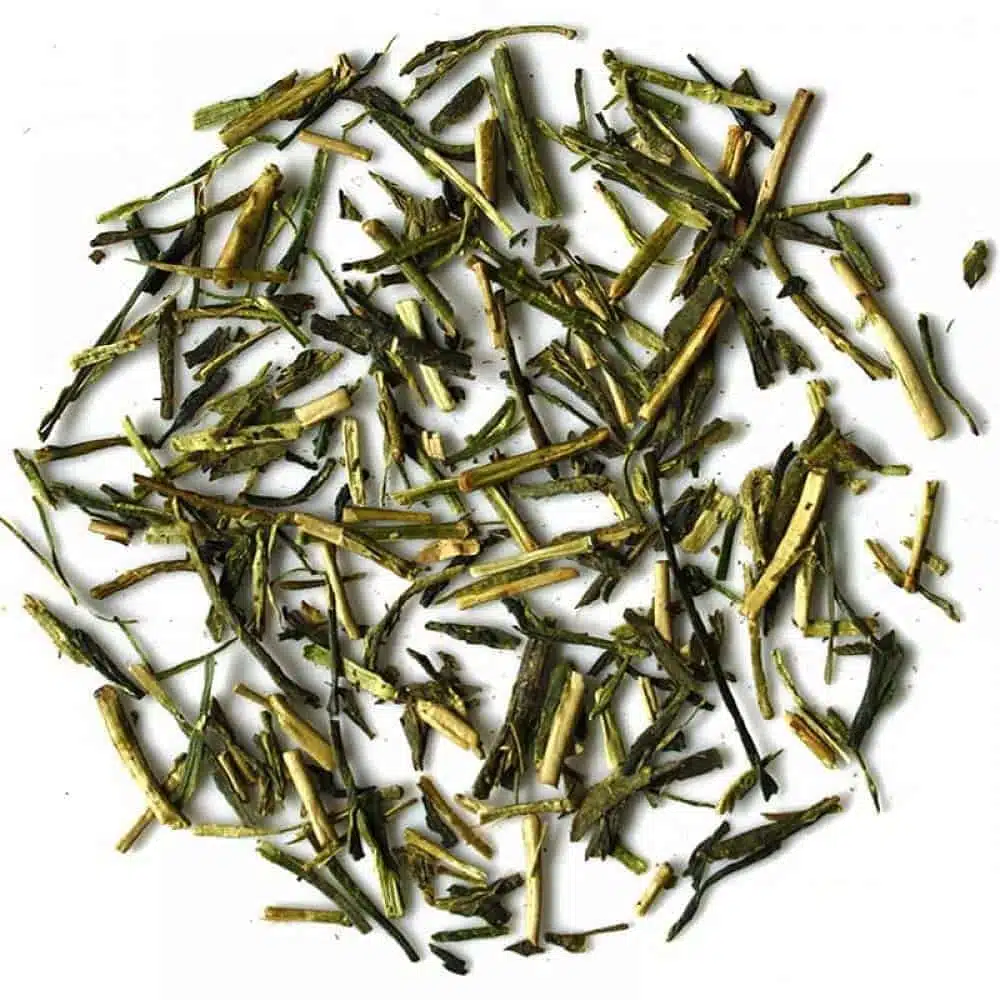
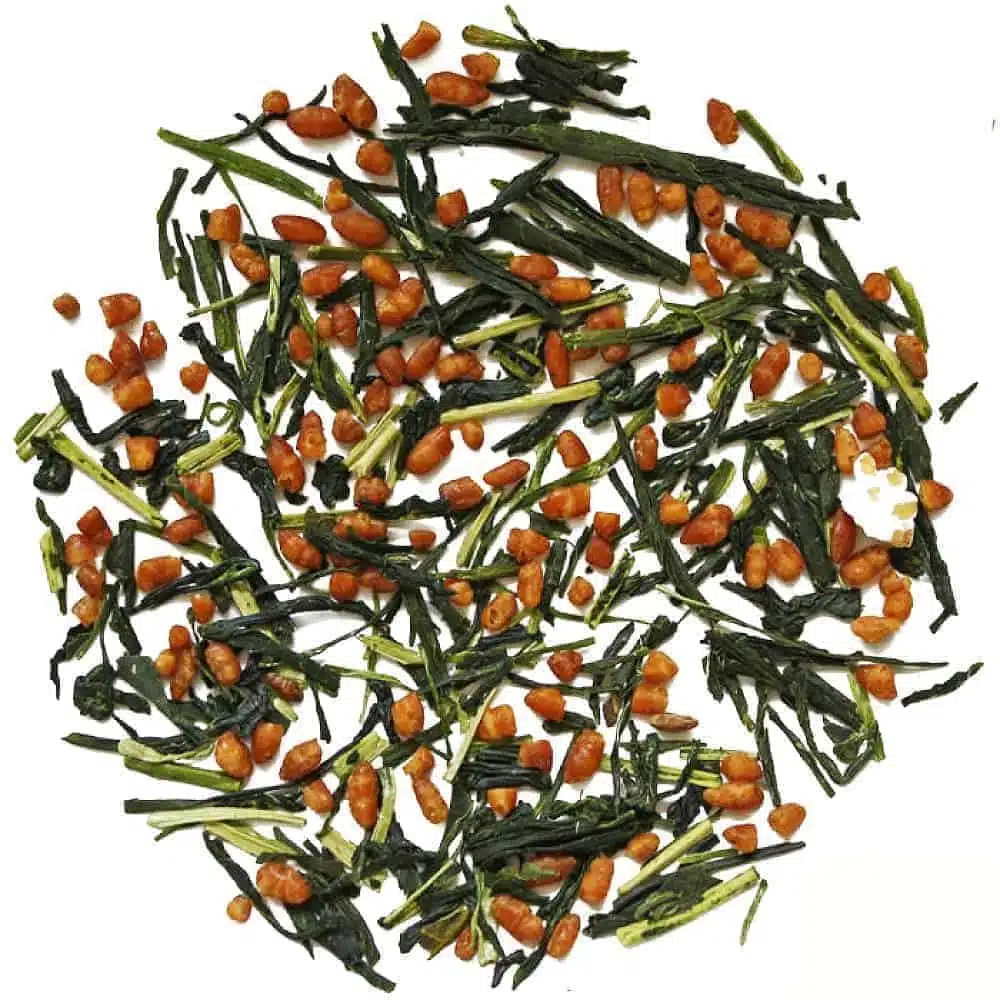
Japan is home to some of the world’s most highly regarded green teas. Through steaming, shading and meticulous processing, these teas develop a richness and depth of umami that sets them apart from almost all other teas. The result is aromatic and complex teas with notes of greenery, umami and a mineral quality reminiscent of the sea. From Matcha and Gyokuro, with its roasted character Hojicha and the gentle sweetness of Genmaicha shows that Japanese tea offers greater variety than many might initially realise. Together, they illustrate the breadth of the range within green tea and which has made Japanese tea a favourite amongst tea enthusiasts all over the world.
We are currently on holiday, so it will not be possible to place orders over the next few days. The next dispatch will be on 29 June. Thank you for your patience, and we apologise for any inconvenience caused.
Although Japanese tea today constitutes a tea tradition in its own right, its historical roots are closely linked to China. Tea cultivation, powdered tea and several of the methods that later came to shape Japanese tea culture were originally introduced from mainland China. The steaming of green tea was also practised in China long before the tradition was further developed in Japan. Over time, the two countries developed different ideals and production methods, giving rise to two of the world’s most influential tea traditions.
Although almost all Japanese tea is green tea It differs markedly from its Chinese counterparts. Most Japanese green teas are steamed shortly after harvesting, which gives them a fuller character with notes of grassiness, umami and a seaside minerality. The rolling of the leaves also contributes to the dense and concentrated flavour for which many Japanese teas are renowned.
Matcha, Gyokuro and Sencha
Among the most highly regarded Japanese teas are Matcha, shade-grown Gyokuro, classical Sencha as well as teas such as Kabusecha, Kukicha, Genmaicha and Hojicha. Together, they demonstrate the great variety found within the Japanese tea tradition.
From the intense umami richness of Gyokuro and Matcha to the roasted character of Hojicha and the nutty sweetness of Genmaicha, Japanese tea offers a wide range of flavour experiences. Although almost all Japanese teas belong to the same main category, they express themselves in very different ways.
Shadowing, craftsmanship and taste
Japanese tea is heavily influenced by the producer’s work. Differences in cultivars, shading, steaming and rolling have a significant impact on the final result and can lead to considerable variation even within the same type of tea. Shading is used primarily for teas such as Gyokuro, Kabusecha and Matcha, where reduced sunlight prior to harvest contributes to greater body, sweetness and umami.
This method bears an interesting resemblance to the bands of cloud and mist that often surround high-altitude tea-growing regions in China and Taiwan, where the reduced solar radiation similarly affects the development of the leaves and their flavour profile. Given the significant impact that processing has on Japanese teas, the producer’s role is particularly important, and small differences in craftsmanship can have a major influence on the character of the finished tea.
With its full-bodied flavour and rich umami notes, Japanese tea pairs very well with food. These teas are, of course, an excellent accompaniment to Japanese cuisine, but they also go well with fish, seafood and other simple, natural ingredients. Matcha can also provide an interesting contrast to sweet desserts and baked goods.