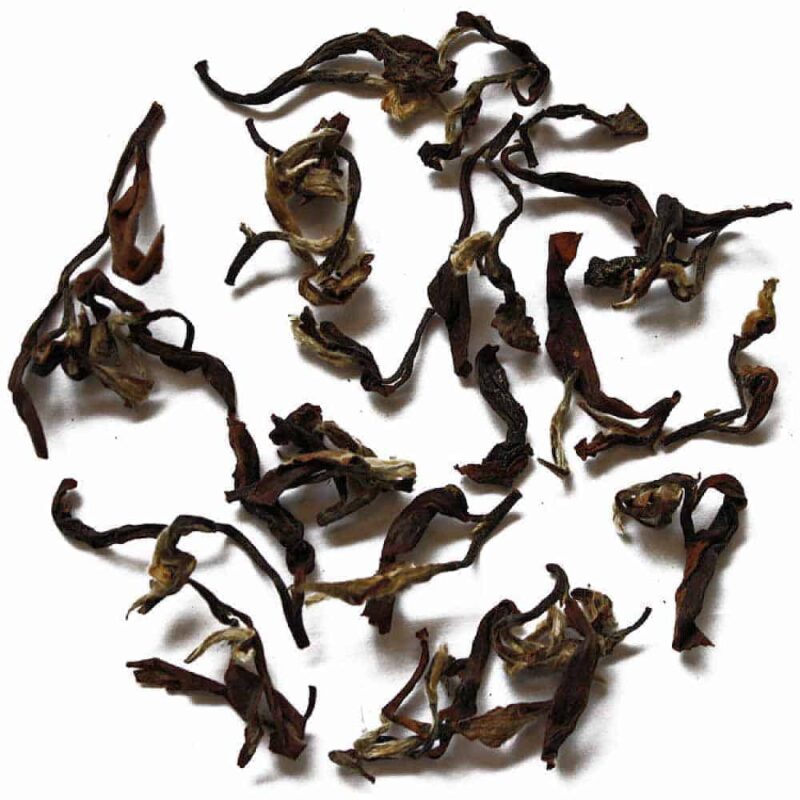
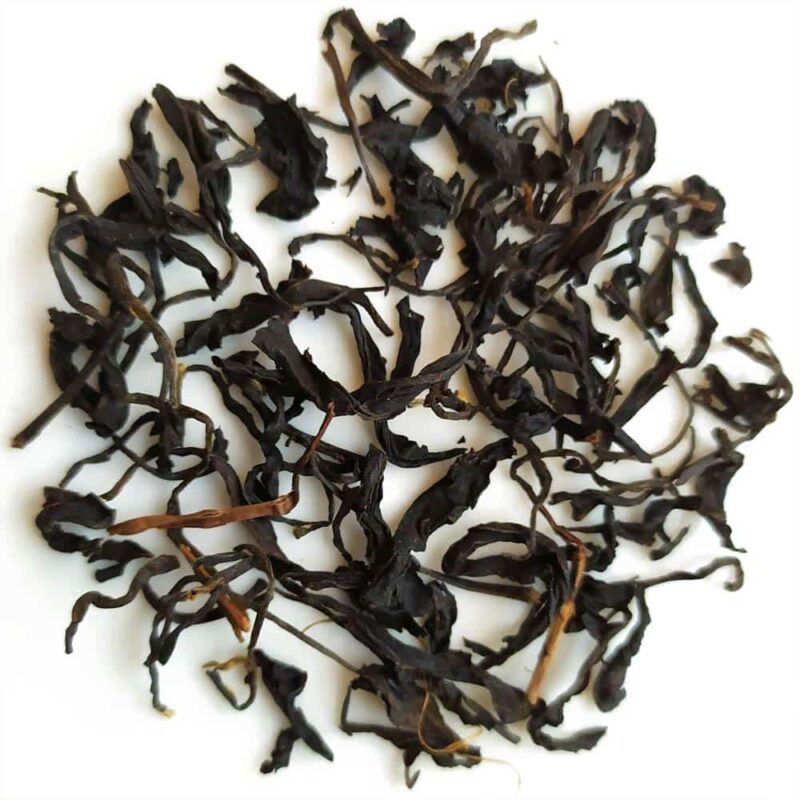
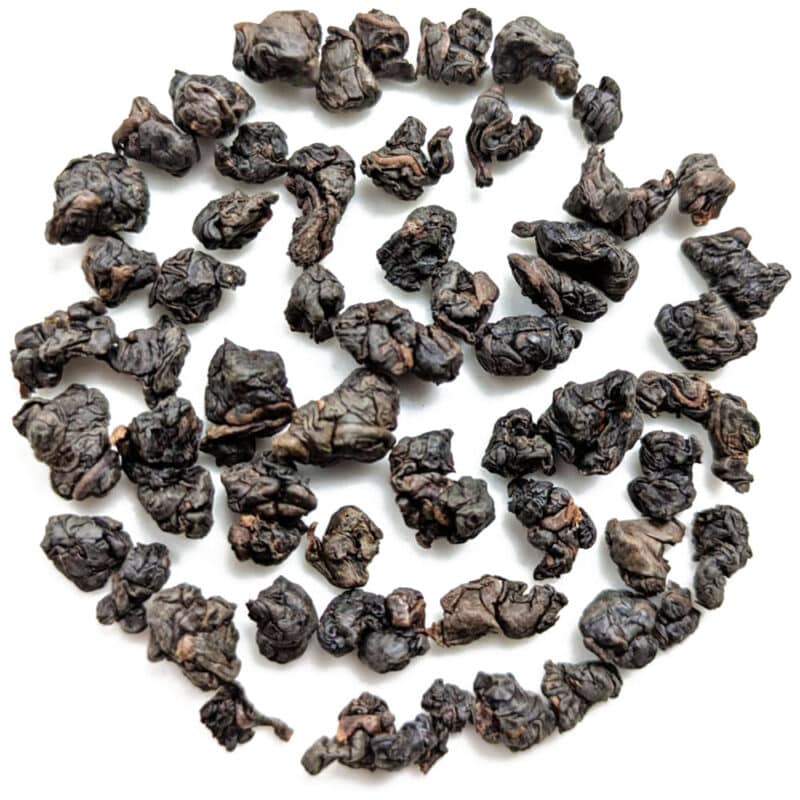
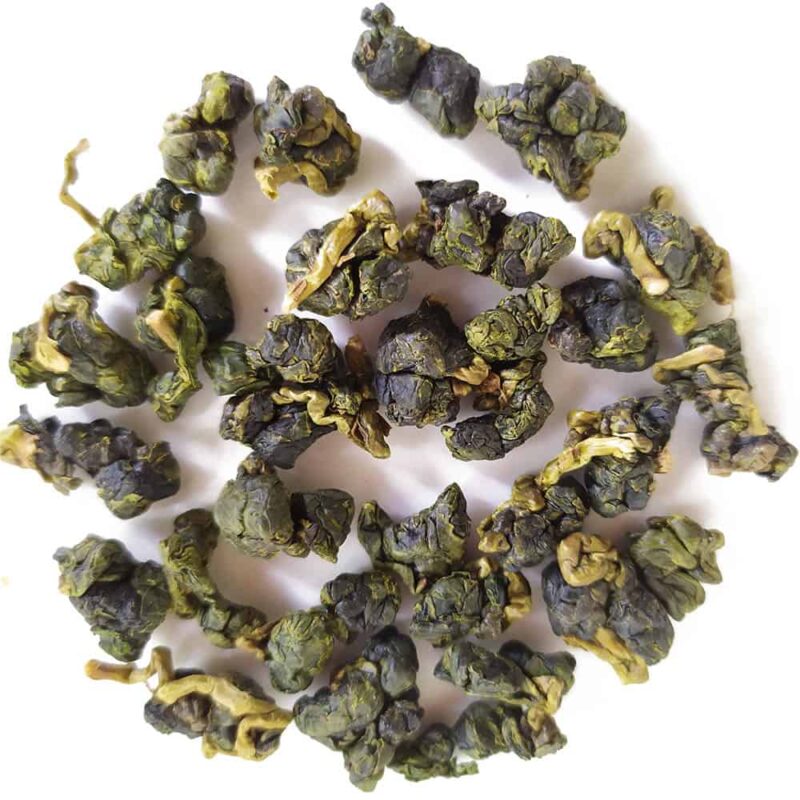
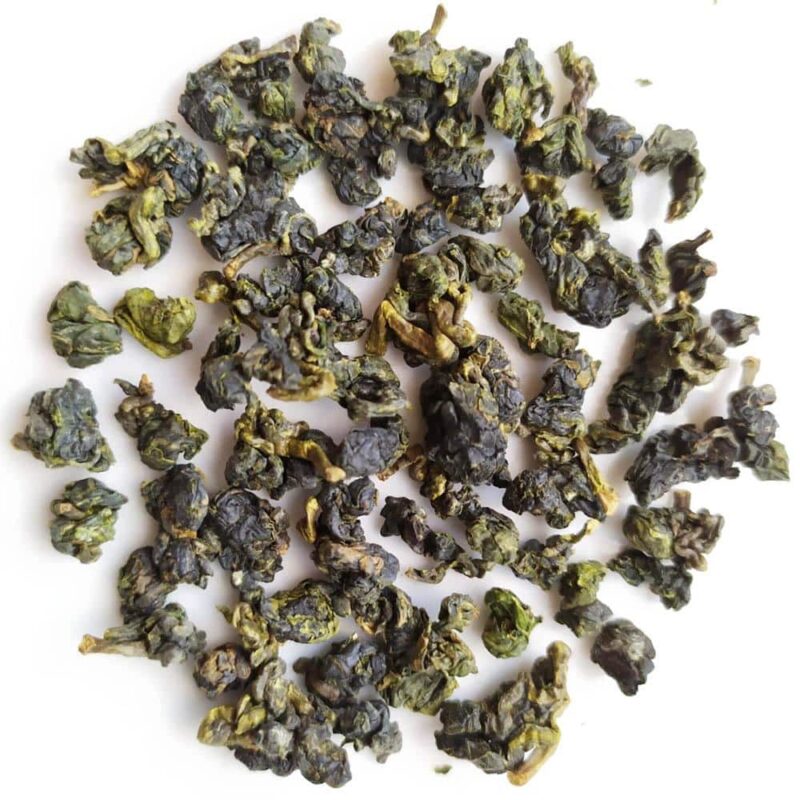
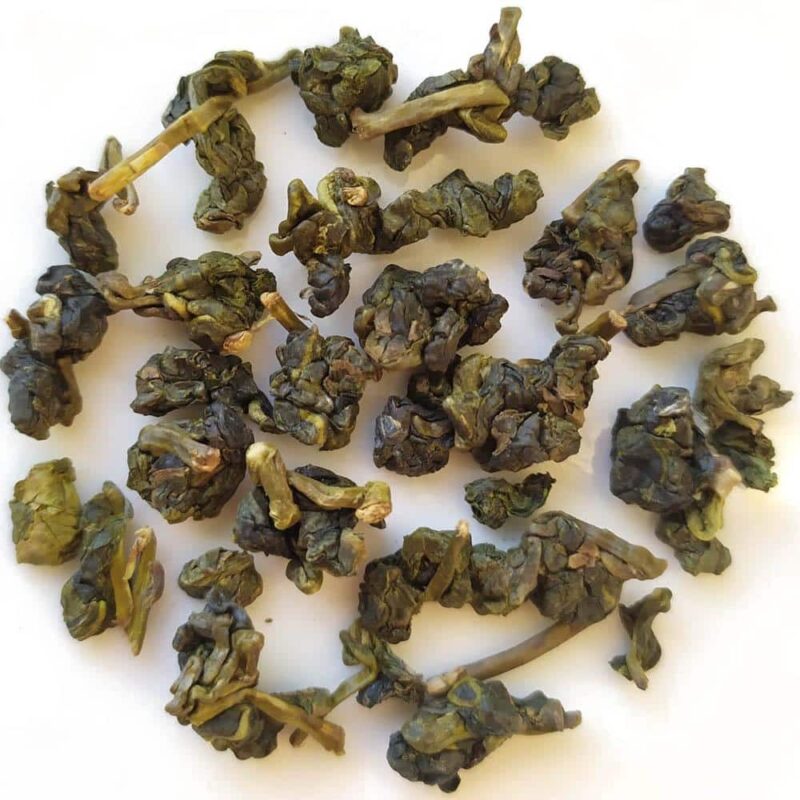
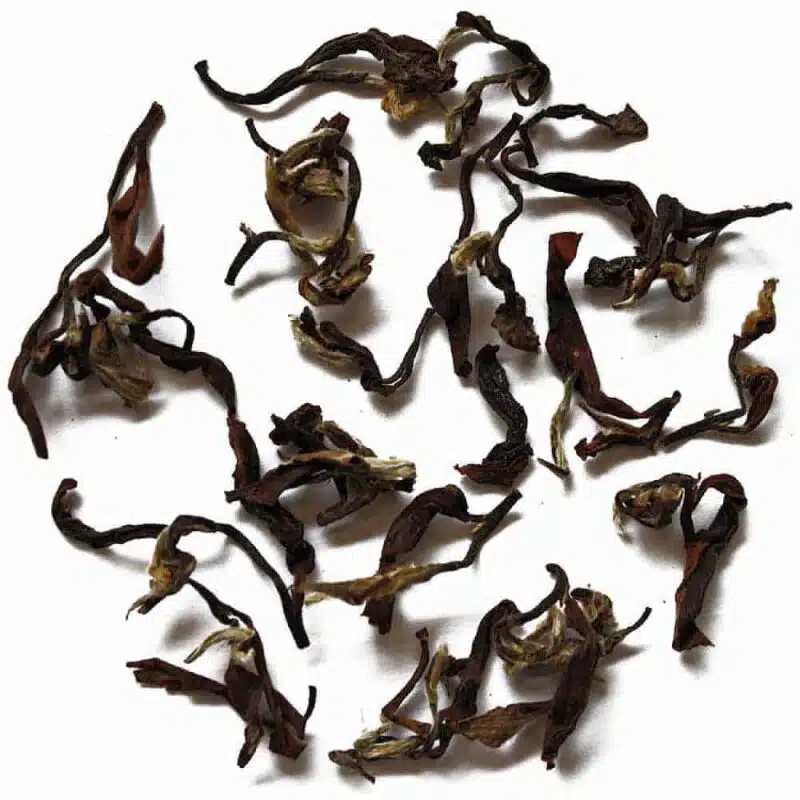
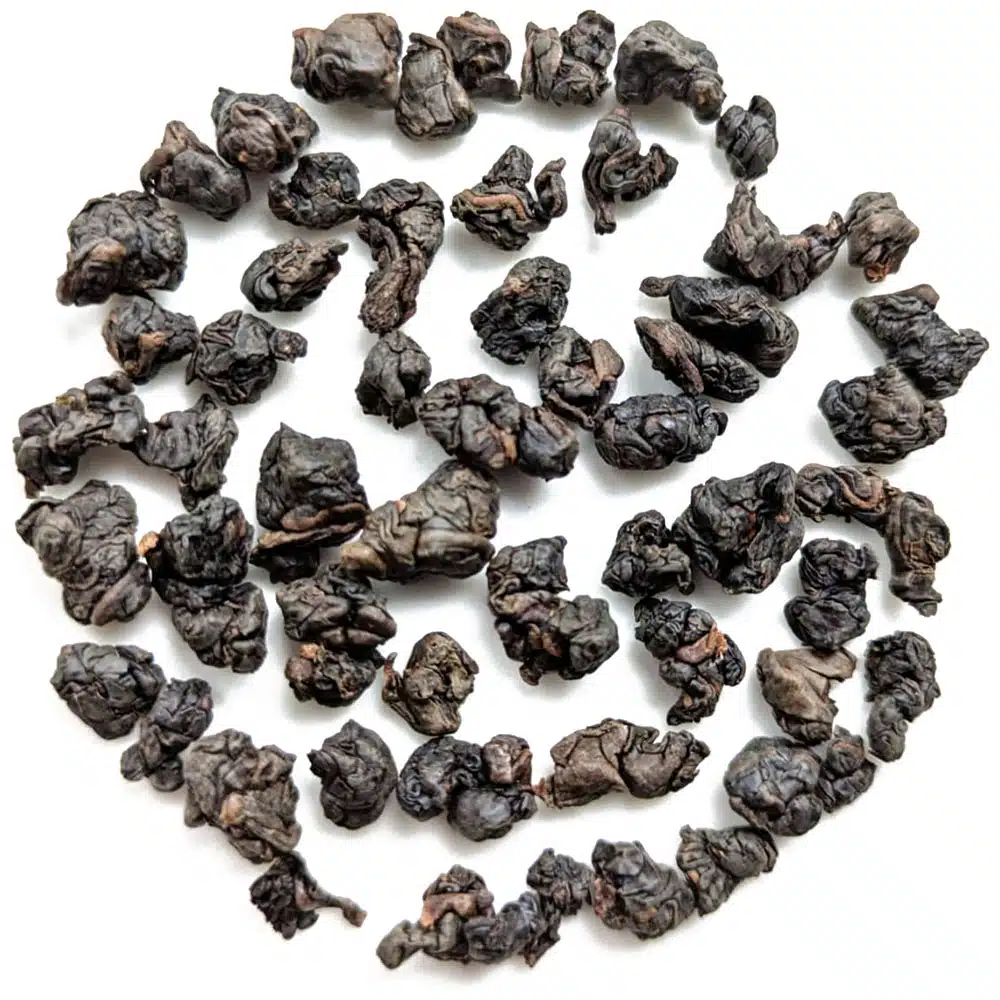
Taiwan is often described as the land of oolong tea, and that is no exaggeration. Oolong is an integral part of Taiwanese tea culture and is drunk daily across the island. The majority of the country’s tea production consists of oolong tea, and few places in the world have developed such sophisticated craftsmanship in the areas of oxidation, rolling and patination. Here you’ll find everything from elegant high-altitude steels such as Hehuan Shan 2200 m and Wenshan Baozhong to more distressed styles such as Charcoal Roasted Alishan Dong Ding and Si Ji Chun Charcoal-Roasted. Taiwan is also home to one of the world’s most distinctive teas – Oriental Beauty – where there are natural infestations of the small green-leaved cicada Jacobiasca formosana contributes to the honey-like and fruity character that has made the tea world-famous. To meet the demands of a highly knowledgeable and quality-conscious domestic market, there are still many small tea producers and tea masters who have refined their craft over generations. The result is an unusually wide range of nuanced Taiwanese teas, where cultivar, altitude and production method interact to create unique expressions.
Taiwanese tea – cultivars, altitude and craftsmanship
Taiwan occupies a unique position in the world of tea. Despite its limited area, the island produces some of the world’s most highly regarded oolong teas. Much of the reason for this lies in the combination of mountainous terrain, a cooler high-altitude climate, mist, slow growth and highly sophisticated craftsmanship in the areas of oxidation and roasting.
Taiwanese tea culture has its historical roots in China, particularly in Fujian, but has developed into something entirely unique. Whilst Chinese oolong teas are often associated with classic origins such as Anxi, Wuyi and Fenghuang, Taiwan has become renowned for its high-altitude teas, elegant floral notes, silky texture and an unusually distinct sense of cultivar and terroir.
High-altitude climate and slow growth
Many of Taiwan’s most sought-after teas are grown at high altitudes, where cooler temperatures and mist cause the tea bushes to grow more slowly. This can result in teas with greater sweetness, a smoother texture and a more concentrated aroma. Hehuan Shan 2200 m is an example of this style, where altitude and climate contribute to a clear, elegant and richly nuanced look.
Cultivars – Taiwan’s major contribution to the world of tea
Taiwan is particularly interesting because cultivars play such an important role. A cultivar is the tea plant’s equivalent of a grape variety: a plant with specific characteristics in terms of aroma, texture, growth habit and how the leaves react to oxidation and roasting.
Qing Xin is one of Taiwan’s most highly regarded classic oolong cultivars and is often used to make high-mountain oolong. Si Ji Chun, also known as Four Seasons, is renowned for its floral character and rich aroma. This is evident in Si Ji Chun, where the cultivar’s natural aroma and smooth texture take centre stage. Taiwan has also developed modern cultivars such as Jin Xuan, Cui Yu and Hong Yu, making the island one of the most cultivar-conscious tea-growing regions in the world.
Oriental Beauty – Taiwan’s most distinctive tea
Oriental Beauty is one of Taiwan’s most famous teas and is distinctly different from many other oolong teas. It is made from leaves that have been nibbled by small leaf cicadas, which may contribute to the honey-like sweetness and fruitiness for which the tea is renowned. The combination of high oxidation, careful processing and this particular influence during cultivation results in a tea with depth, smoothness and aromatic complexity.
More than just oolong
Although Taiwan is best known for oolong Other types of tea are also produced. Hehuan Mountain Ruby and Shui Xian Charcoal Roasted Black Tea shows how Taiwanese craftsmanship can also provide black teas with a distinct character. They often feature a combination of aromatic clarity, sweetness and body that sets them apart from both Indian and Chinese black teas.
Taiwanese tea at In the Mood for Tea
For us, Taiwan represents one of the clearest examples of how cultivar, altitude and craftsmanship can work together. It is not simply a matter of a tea coming from Taiwan, but of how the location, the plant material and the production process combine to create a distinctive character. That is why we select Taiwanese teas that clearly express their origin – from lighter, more floral styles such as Wenshan Baozhong to more oxidised, roasted and full-bodied teas such as Shui Xian Water Sprite and Shui Xian Charcoal Roasted Black Tea.